
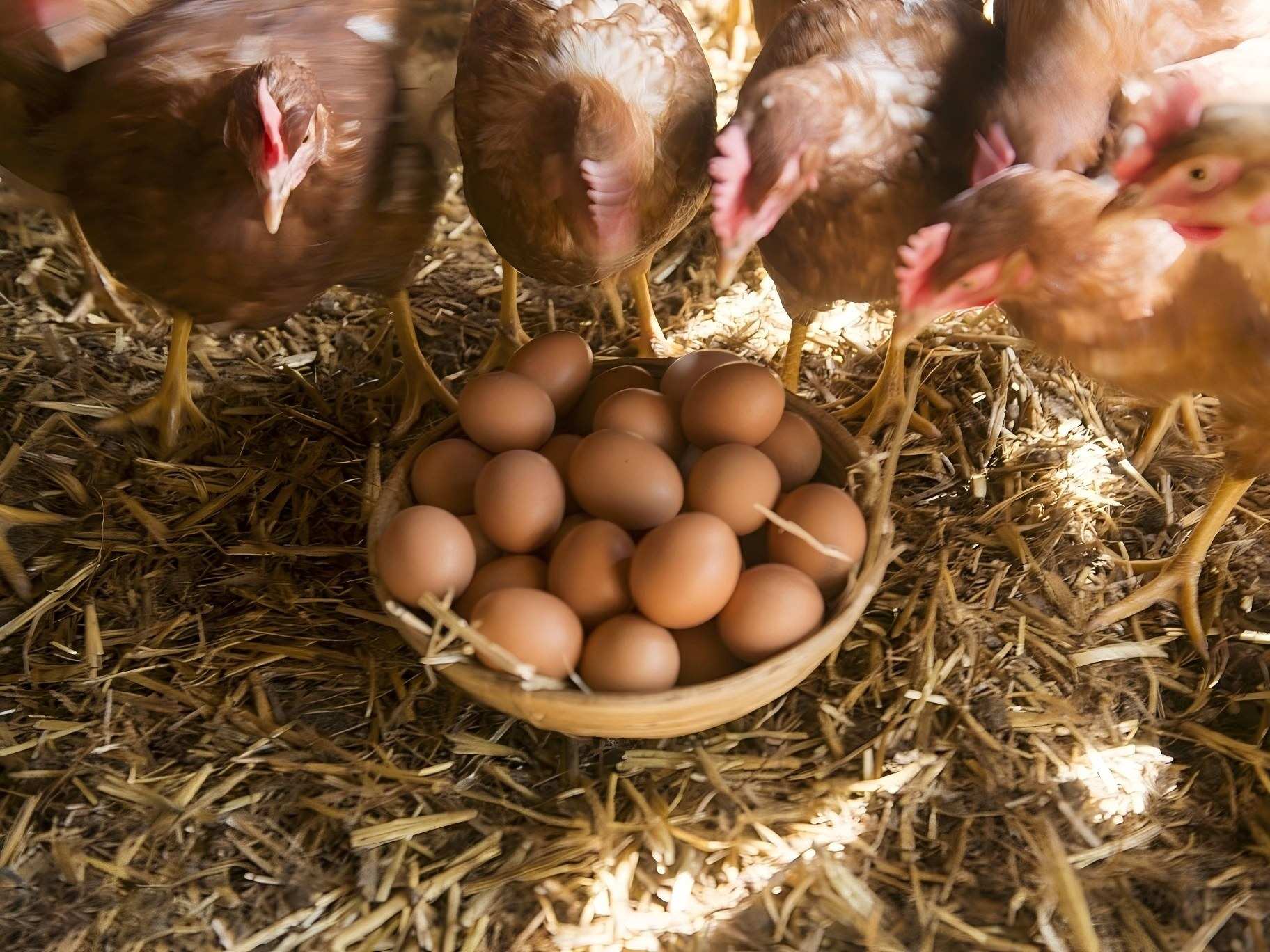
 Are your laying hens suffering from diarrhea and laying "fecal eggs"? You got the very first step wrong!
In modern, large-scale layer farming operations, maintaining peak egg production and ensuring the stability of egg quality are the core metrics by which a farm's profitability is measured.
In modern poultry farming, the condition of the flock's droppings serves as the most intuitive "barometer" for assessing their overall health. When inspecting their poultry houses, many farmers frequently observe that the droppings contain undigested feed particles, or that the excrement appears as hard, egg-shaped pellets with abnormal coloration—a phenomenon vividly referred to within the industry as "chickens passing egg-like droppings" (also known as the "undigested feed" phenomenon).
read more- The prevention and control of foot-and-mouth disease in African cattle and sheep is a matter of extreme urgency.
I. The Deadly Threat of African Foot-and-Mouth Disease in Cattle and Sheep: Sweeping Through Herds and Devastating the Livestock Industry
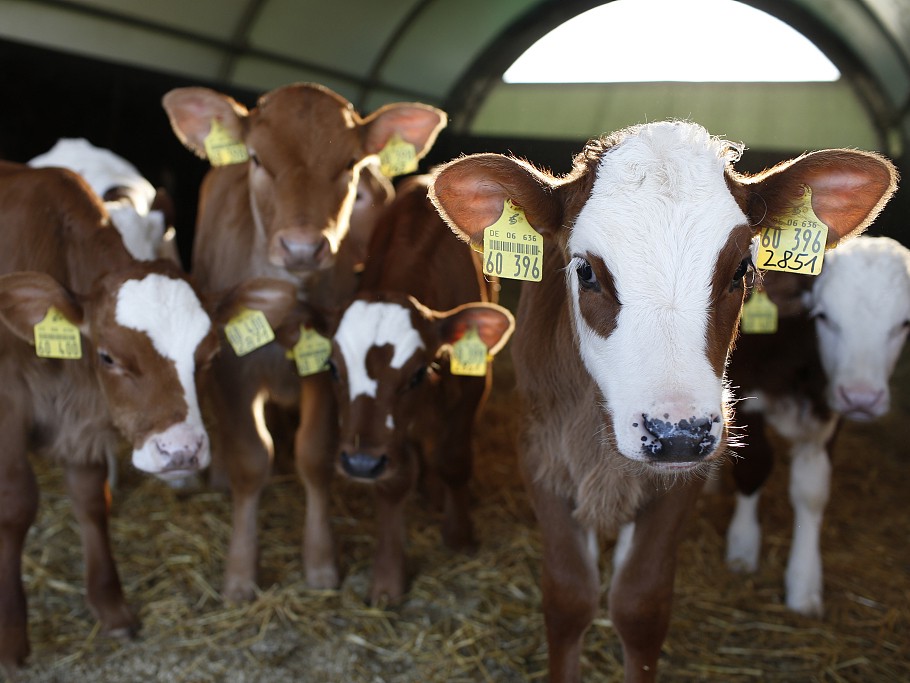
The threat posed by Foot-and-Mouth Disease (FMD) in African cattle and small ruminants far exceeds that of ordinary infectious diseases; characterized by rapid transmission, a wide geographic spread, and diverse viral serotypes—specifically, the prevalence of Southern African serotypes such as SAT1, SAT2, and SAT3 in the region, between which no cross-immunity exists—the disease presents immense challenges for prevention and control. Consequently, it inflicts multiple devastating blows upon the livestock industry, with particularly severe repercussions for both large-scale commercial farming and traditional nomadic pastoralism across the African continent.
read more  How Should We Respond to the High Incidence of Soft-Leg Disease in Poultry?
I. The Core Etiology of Soft-Leg Disease in Poultry: The Superimposition of Multiple Factors—Precise Screening is Key
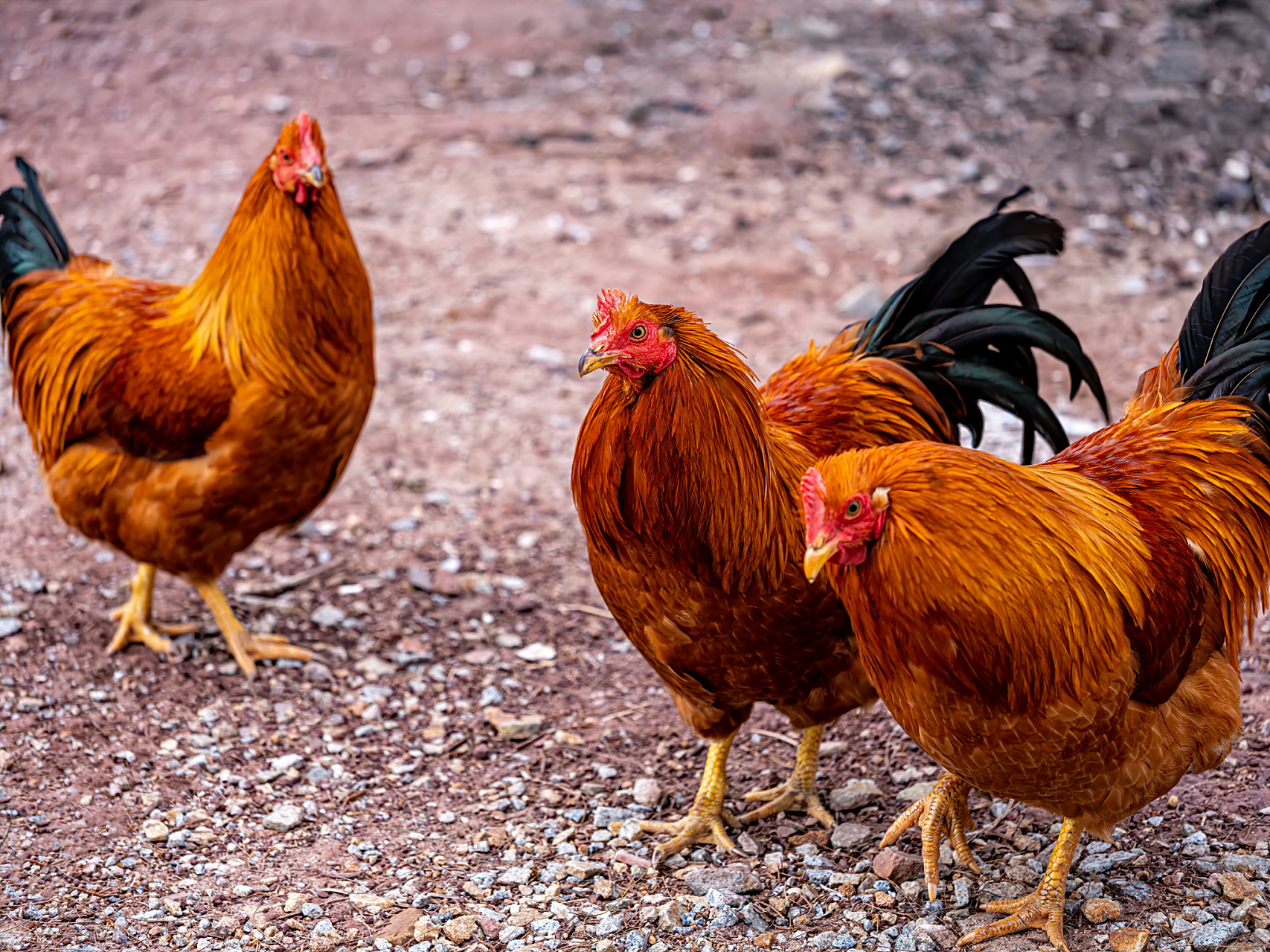
The causes of soft-leg disease in poultry are complex and diverse, broadly categorized into three main areas: nutritional metabolism, pathogen infection, and environmental management. The superimposition of these multiple factors frequently leads to a high incidence of the disease and recurrent outbreaks; therefore, targeted screening and preventive control measures are essential.
read more- Steer Clear of Blue Ear; Smooth Sailing All the Way on Home Ground.
In the context of large-scale swine farming, the prevention and control of infectious diseases remains the pivotal factor determining the success or failure of operations.
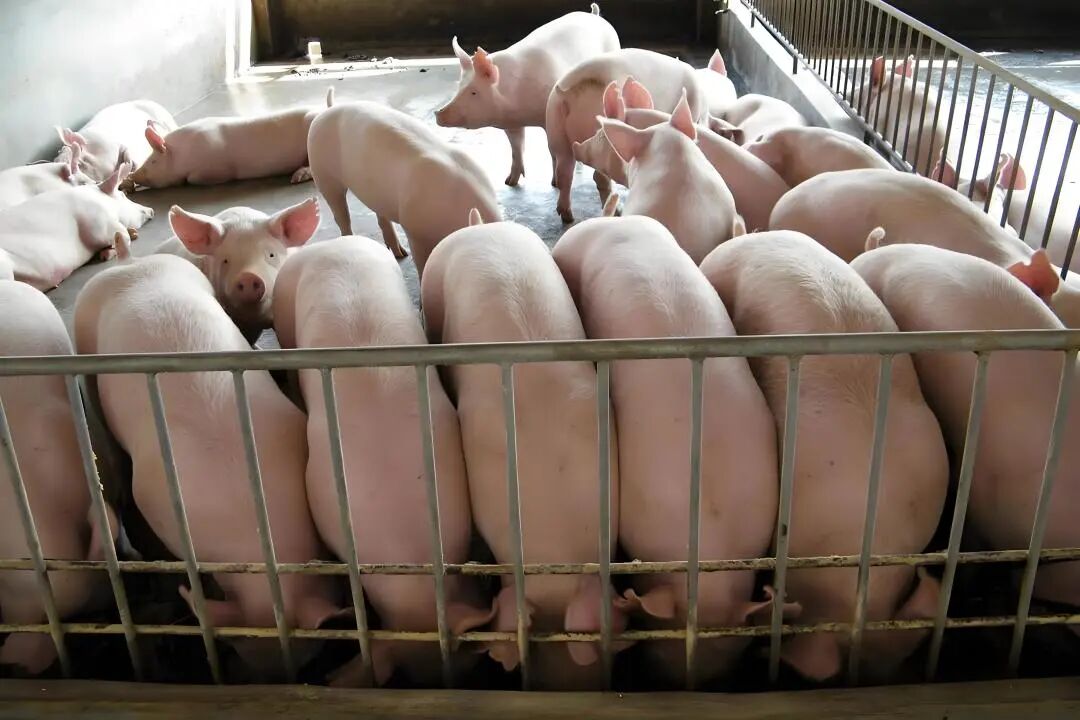
Porcine Reproductive and Respiratory Syndrome (PRRS)—commonly known as "Blue Ear Disease"—is a highly virulent infectious disease that poses a global threat to the swine industry; characterized by its rapid transmission, resistance to eradication, and high pathogenicity, it consistently inflicts severe economic losses upon pig farms year after year.
read more - Infectious bronchitis disease in poultry
Infectious Bronchitis (IB) in poultry is an acute and highly contagious respiratory disease caused by the Infectious Bronchitis Virus (IBV), which widely affects chickens, especially laying hens and broilers.
The disease not only causes respiratory symptoms, but may also cause decreased egg-laying performance and kidney damage, causing significant economic losses to the poultry farming industry.
This article will introduce in detail the etiology, symptoms, diagnosis, and scientific prevention and treatment options of infectious bronchitis in poultry to help farmers effectively deal with this disease.
read more


Please give us a message