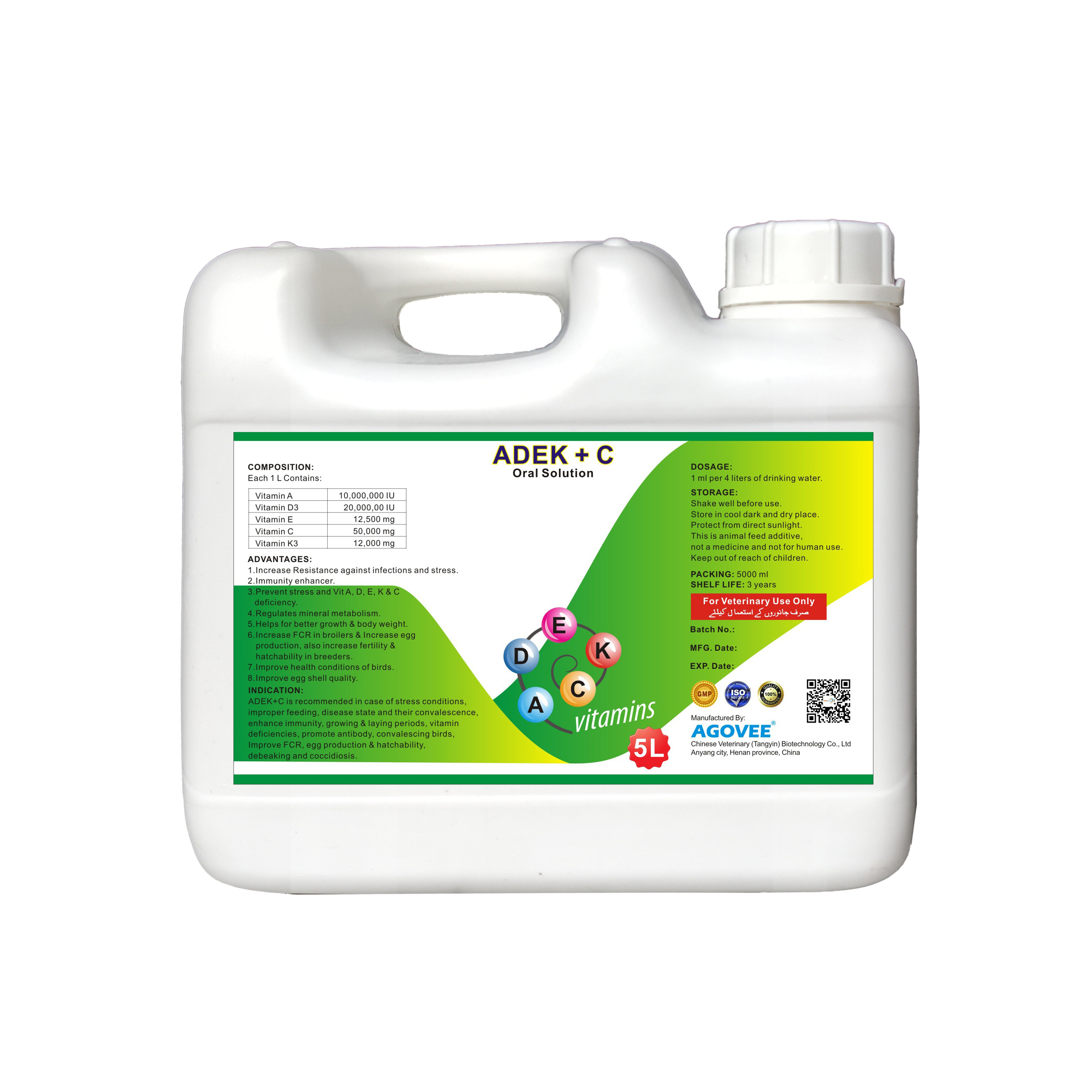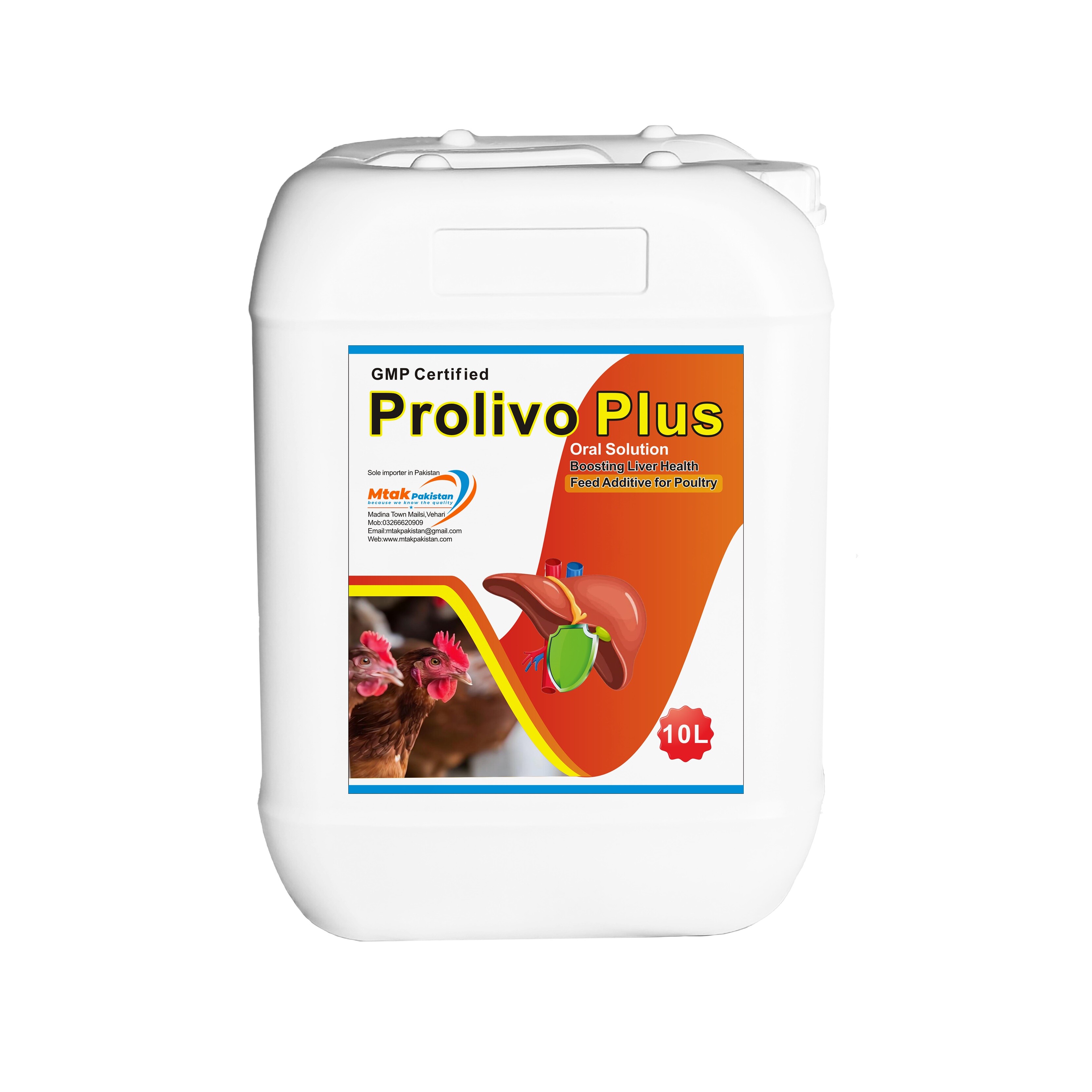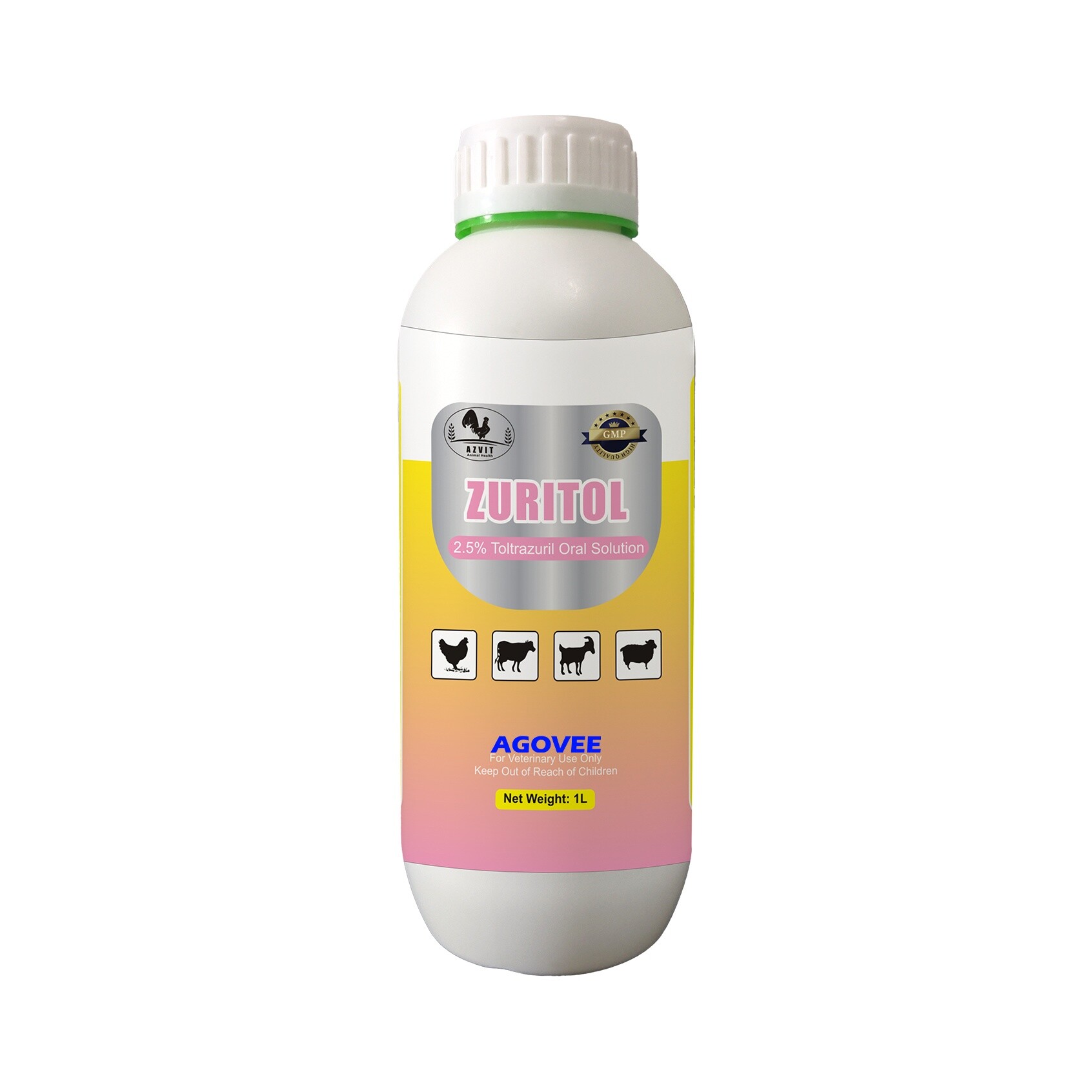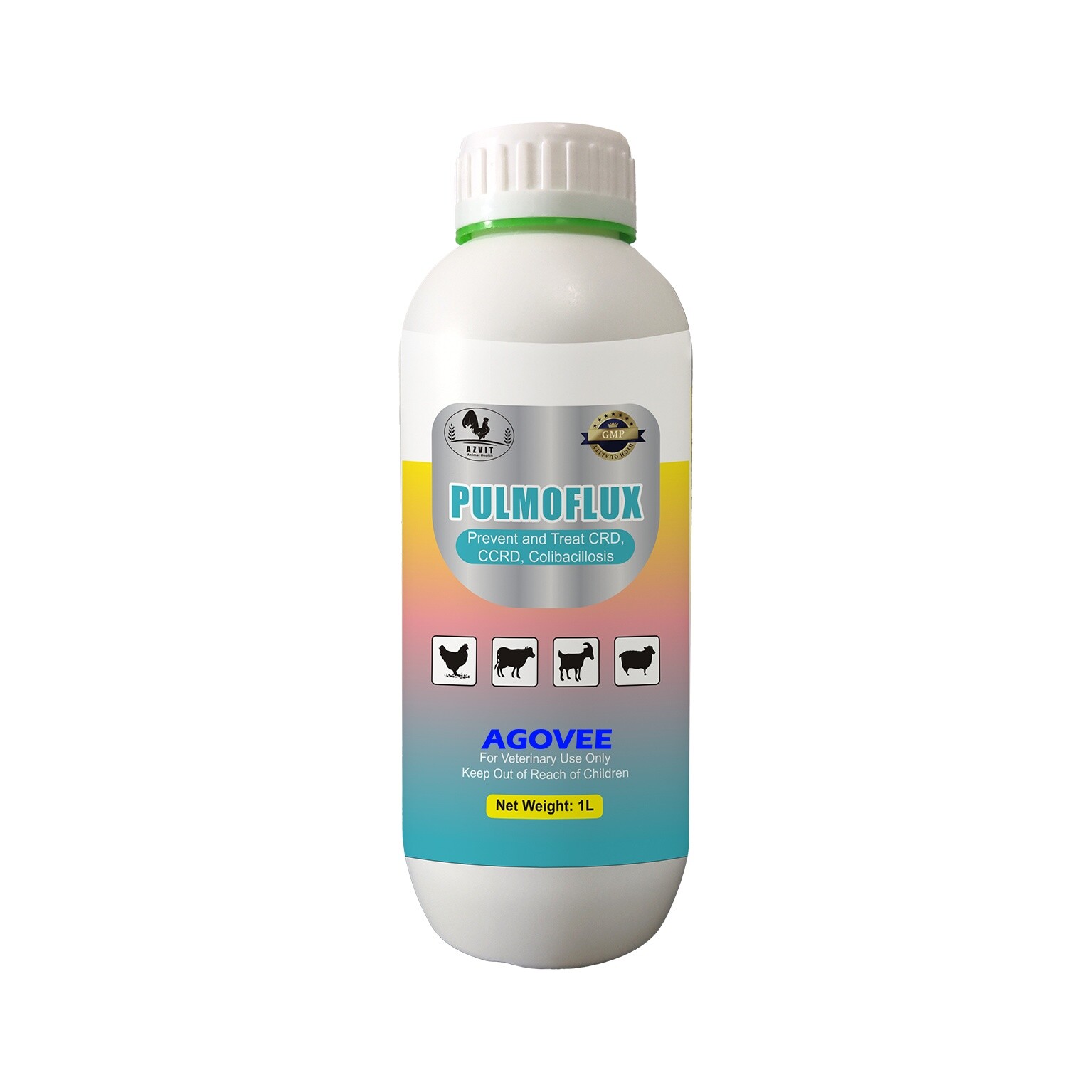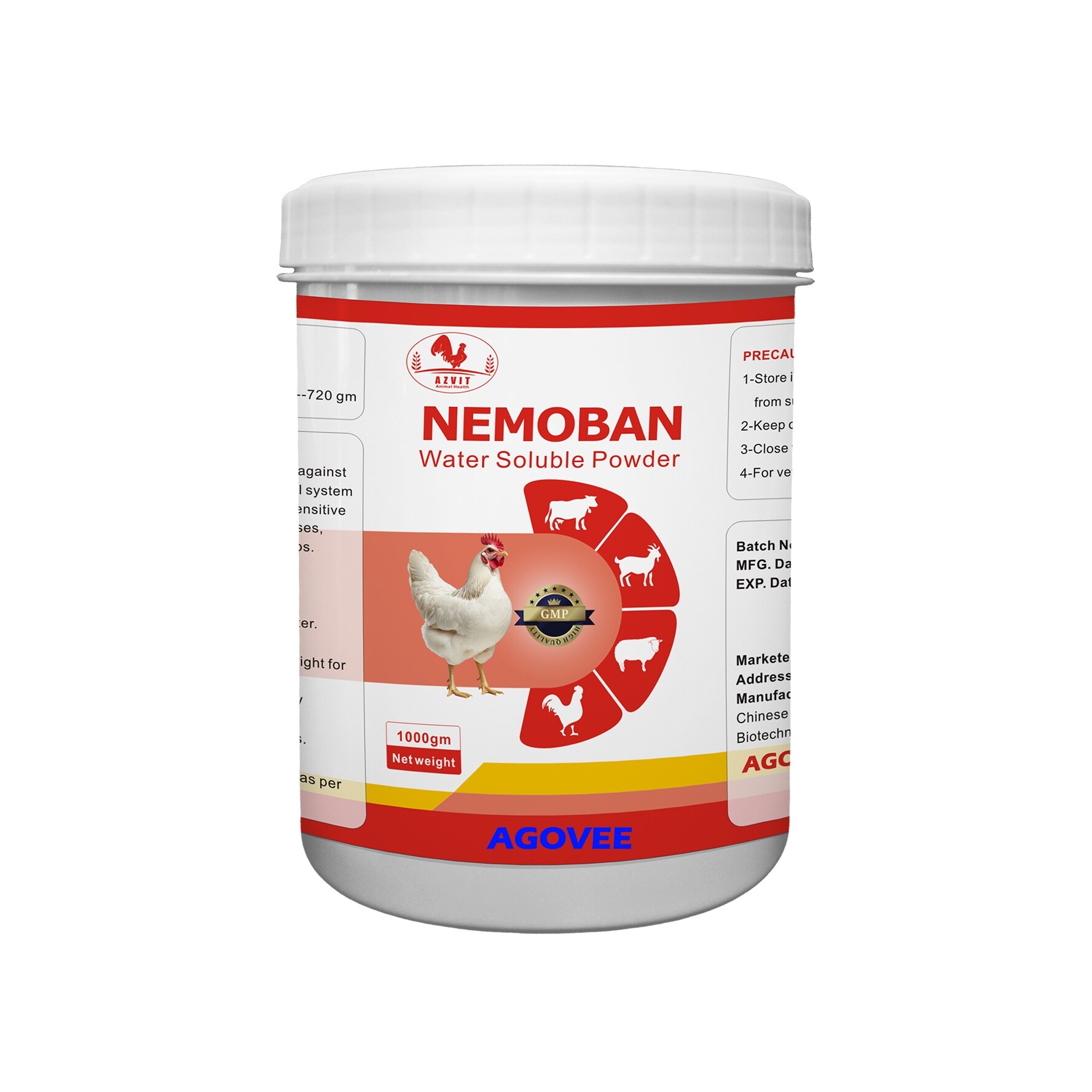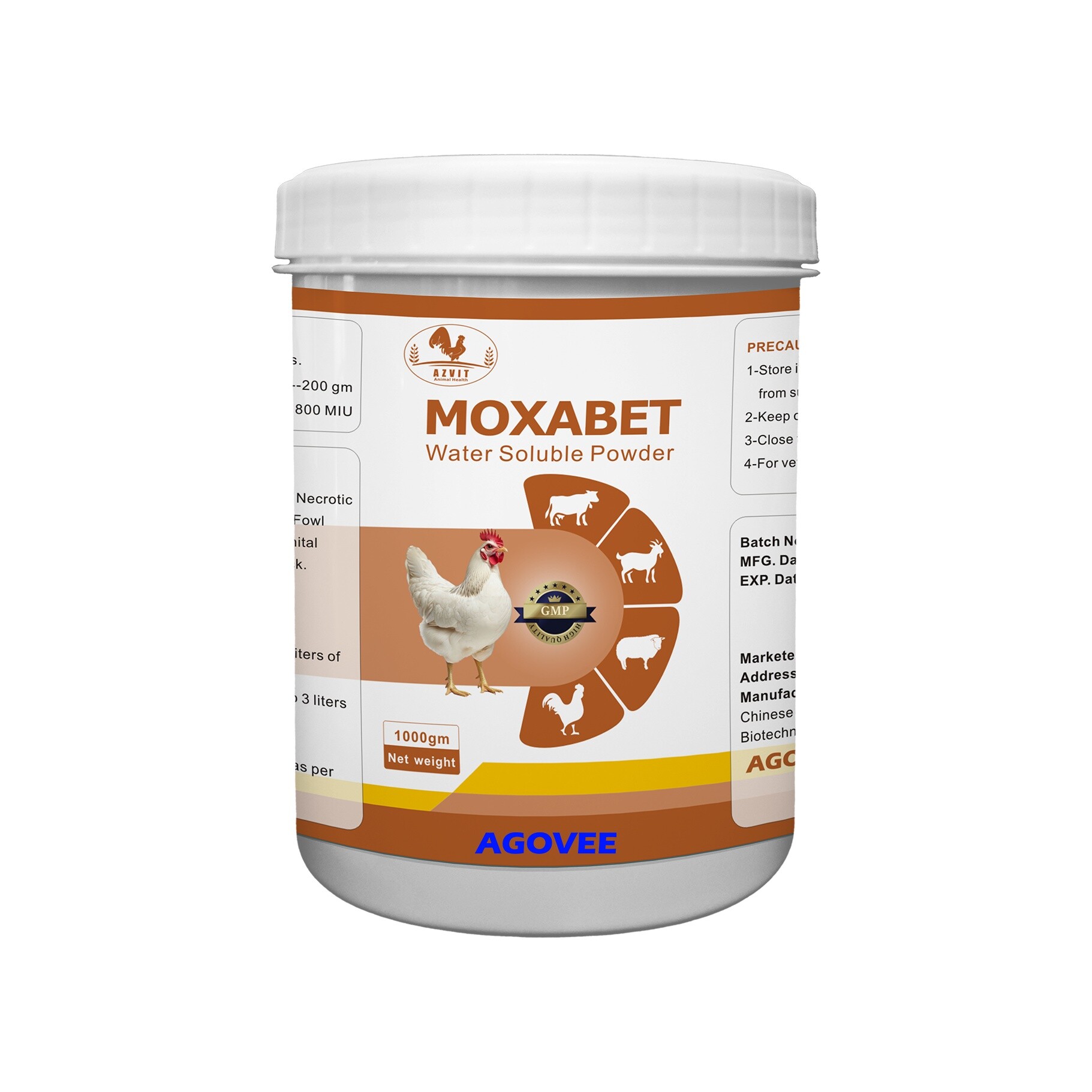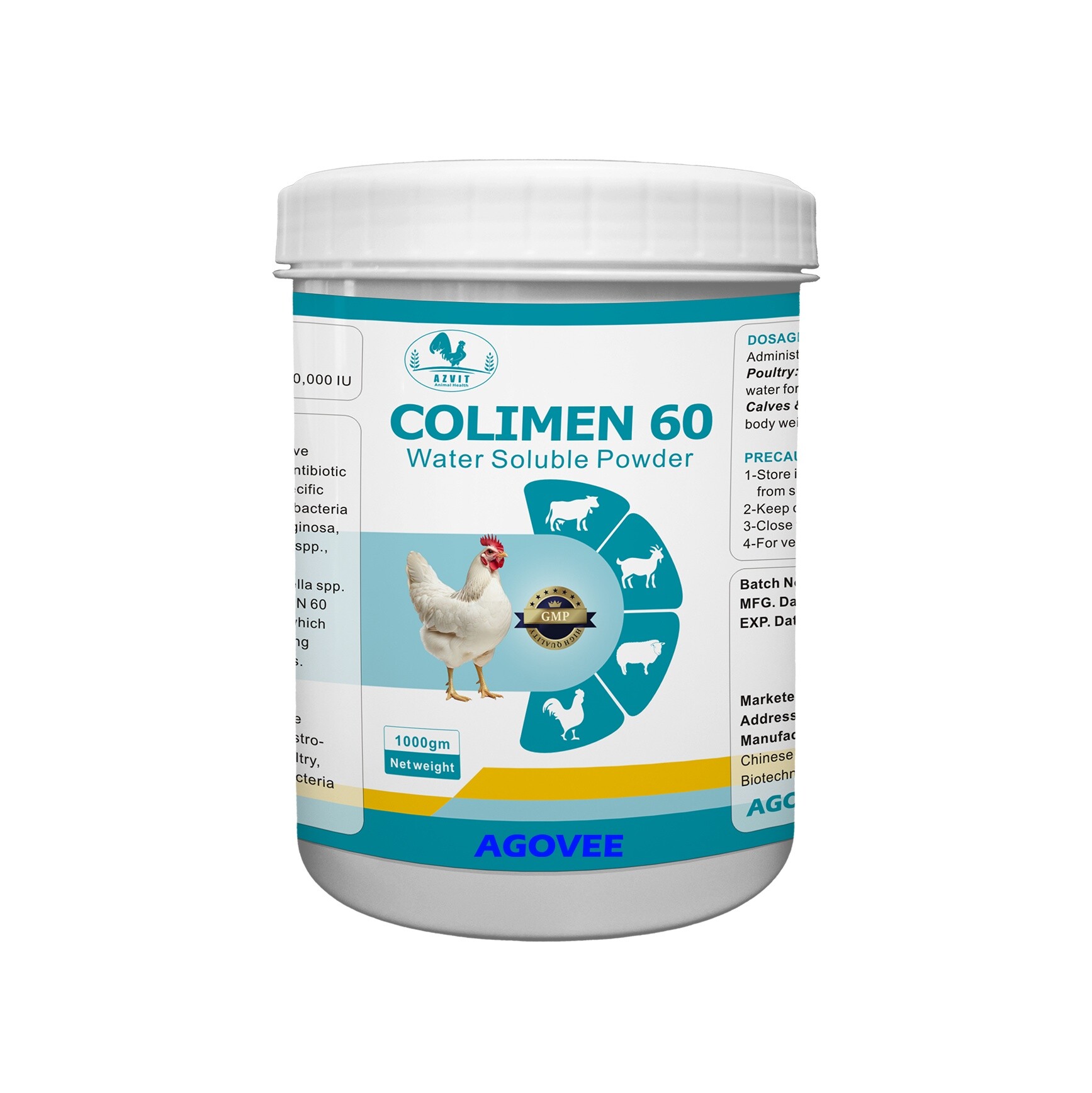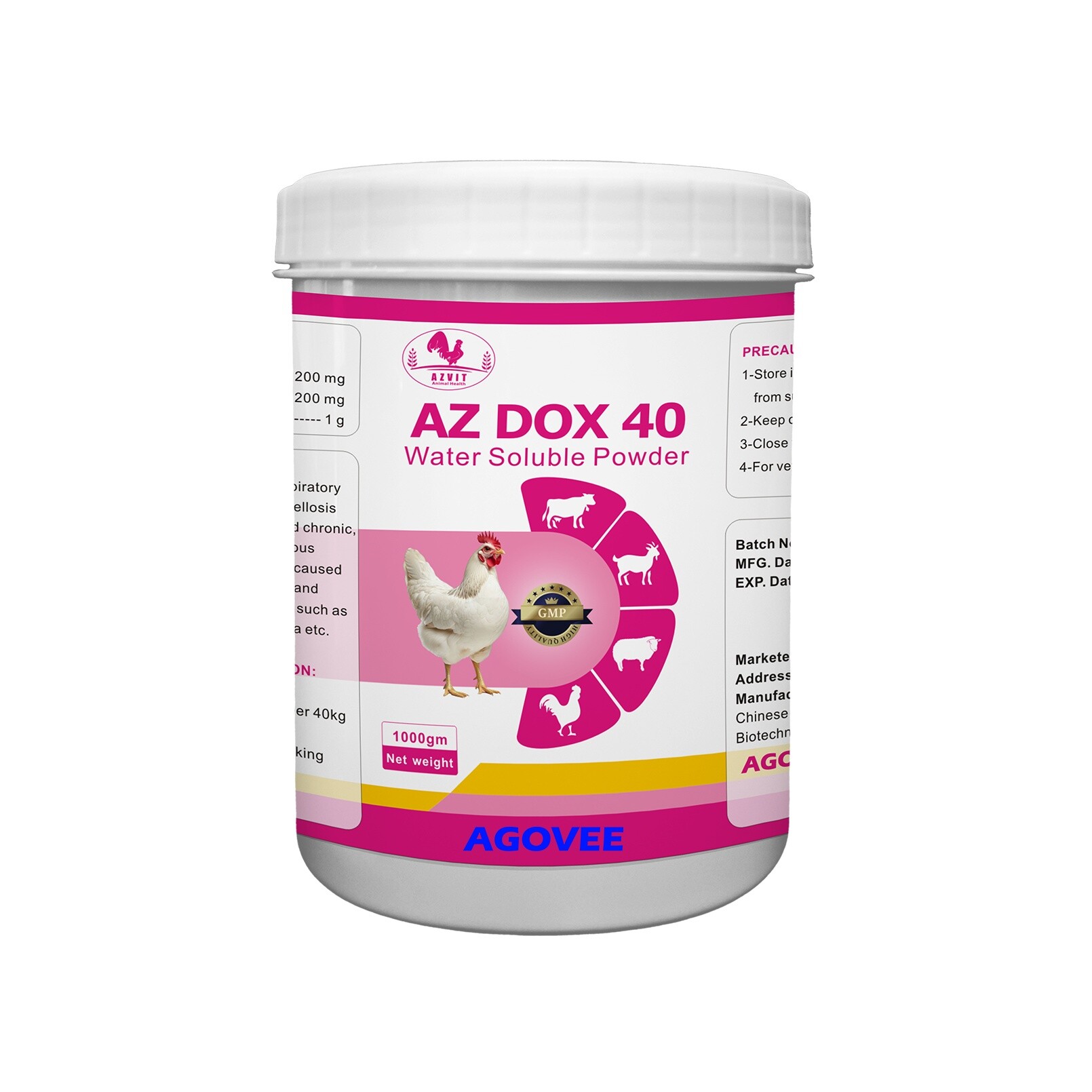
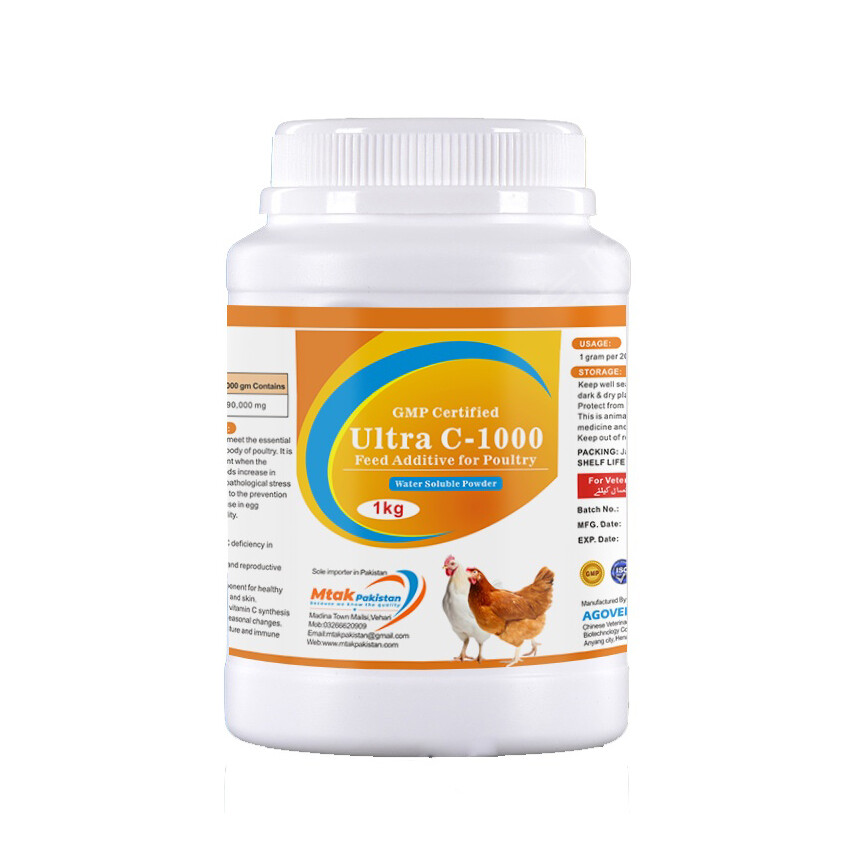
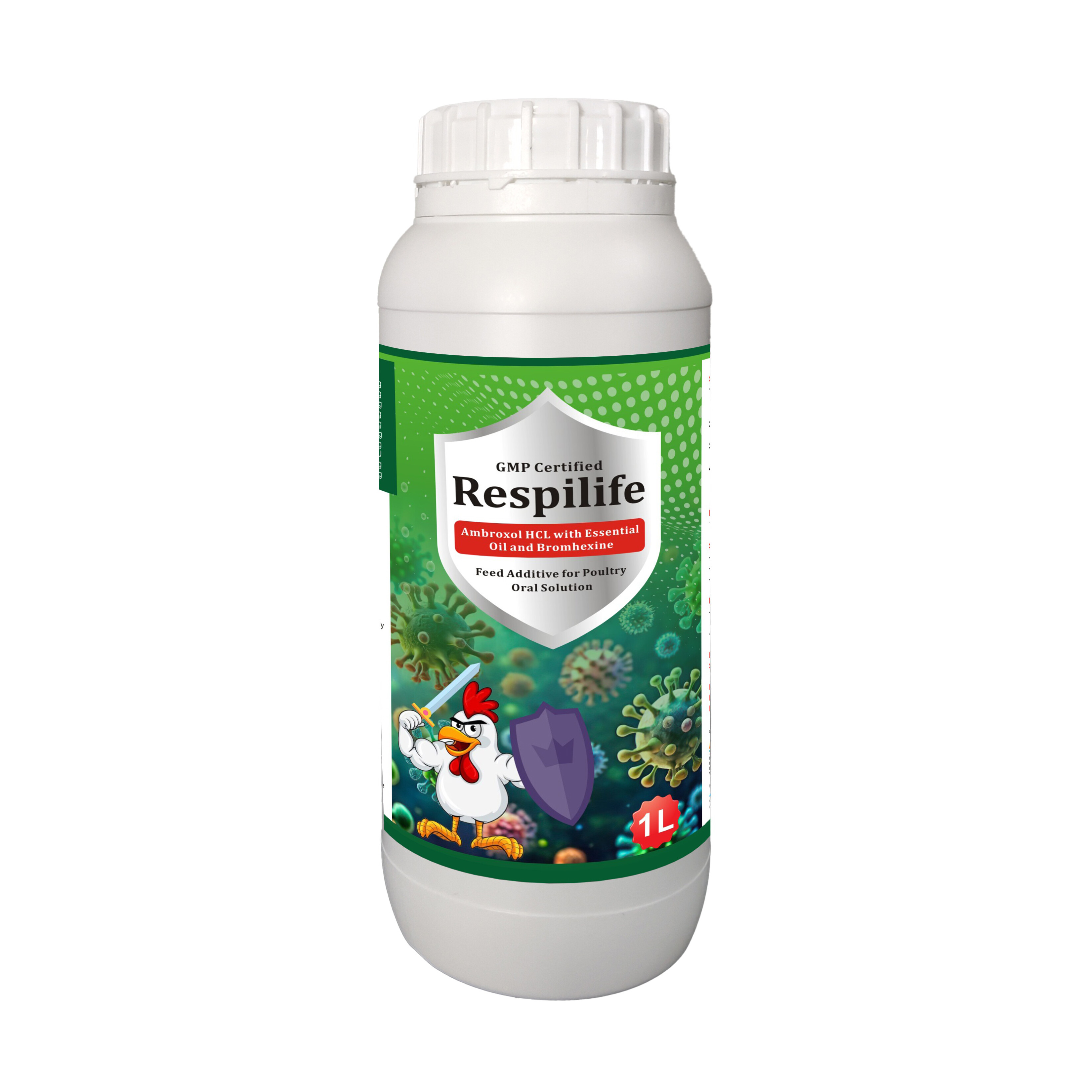
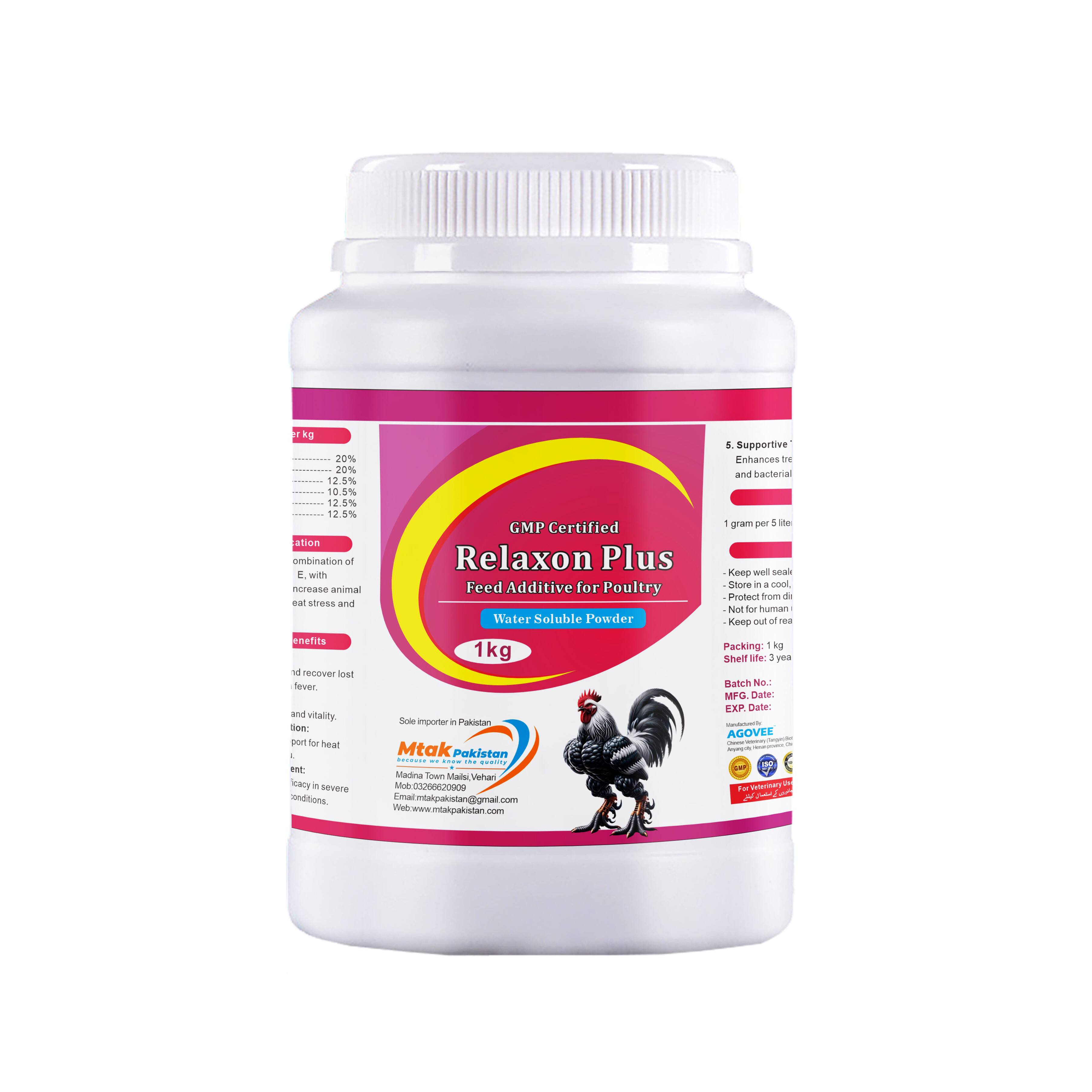
• For Better Animal Health In The Future

    For Better Business Cooperation In The Future

  • GMP Manufacturer For Animal Medicines 

    Supplements and Premix Feed Powder, Injection,Oral Solution, Granule, fablet, Apl,etc

ABOUT US

Agovee is an international enterprise specializing in the research, development, production and export of animal feed additives, committed to providing efficient, safe and sustainable nutritional solutions for the global livestock, poultry and aquaculture industries. With 15 years of industry experience and technical accumulation, we have become a trusted partner in the field of international animal nutrition.
View More>>

OUR ADVANTAGE

OEM/ODM customization services

Customize exclusive formulas according to customer needs
Provide brand OEM (personalized design of packaging and labels)
Flexible cooperation model from small batch trial production to large-scale production

Feed research and development and production

Independently develop efficient and safe functional feed additives
Cooperate with domestic and foreign scientific research institutions to continuously optimize the formula
Develop special additives for different animal species (livestock, poultry, aquatic products, etc

Global trade and export services

Export business: for Southeast Asia, Europe, the Middle East, South America and other markets
Provide complete export document support (COA, MSDS, health certificate, etc.)
Assist customers to complete product import registration and compliance certification

Factory display

  • 6
  • 5
  • 4
  • 3
  • 2
  • 1

news center

  • Paralyzed Chicken & Watery Droppings: Complete Heat Stroke Emergency Plan for 80-Day-Old Free-Range Chickens
    Paralyzed Chicken & Watery Droppings: Complete Heat Stroke Emergency Plan for 80-Day-Old Free-Range Chickens

       In summer high-temperature seasons, 75-90 day-old growing free-range chickens face the highest heat stroke risk in the whole breeding cycle. Free-range chicken heat stroke featured with limb paralysis, persistent watery droppings, rapid panting and coma has become the top fatal disease for outdoor stocked flocks. Different from caged poultry, free-range chickens expose to direct sunlight, high ground temperature and stuffy bush environment all day long. 

       Once the ambient temperature exceeds 32℃, 80-day-old chickens with imperfect thermoregulation system will suffer from electrolyte disorder, nerve paralysis and intestinal mucosal failure, resulting in sudden leg weakness, inability to stand, clear watery feces, sharp feed refusal and high mortality within 2-6 hours. As a professional foreign trade manufacturer specializing in poultry veterinary products, functional feed additives and custom poultry premix feed, AGOVEE summarizes field verified emergency schemes based on 10 years of free-range poultry health service experience. This article analyzes onset mechanism, hazard characteristics, wrong rescue operations and standardized emergency solutions, helping global free-range farms rescue affected chickens efficiently and reduce summer breeding losses.

    1. Why 80-Day-Old Free-Range Chickens Easily Get Paralyzed With Watery Droppings From Heat Stroke

       Most free-range breeders misjudge symptoms as leg bacterial infection or infectious intestinal disease, leading to wrong medication and missed golden rescue time. The targeted susceptibility of 80-day-old free-range chickens stems from three unique physiological and stocking characteristics, which is the core search pain point of global outdoor poultry farmers.

    First, special physiological development defects. 80-day-old growing chickens complete feather replacement but lack mature sweat glands, relying only on respiratory panting for heat dissipation. High temperature will cause sharp loss of potassium, sodium and calcium ions in the body, triggering poultry electrolyte imbalance, peripheral nerve conduction failure and limb flaccid paralysis, which is the direct cause of paralyzed chickens in hot weather. Second, heat-induced intestinal osmotic disorder. Continuous high temperature destroys intestinal villi structure, accelerates intestinal water exudation, stops nutrient absorption, and forms large-volume odorless watery droppings, different from bacterial infectious diarrhea with sticky bloody feces.

       Third, free-range environmental exacerbation factors. Outdoor bare land temperature can reach 45℃ above at noon, lack of effective ventilation, random stocking density and dirty drinking water aggravate oxidative stress. Long-term heat stress elevates serum cortisol level, suppresses poultry immune function, makes chickens fall into a vicious cycle: heat stress-electrolyte loss-paralysis-watery diarrhea-body exhaustion-death. This onset rule is the core basis of AGOVEE targeted heat rescue product formula design.

    微信图片_2026-06-10_145636_318

    2. Invisible Breeding Losses Caused By UntreatedFree-Range Chicken Heat Stroke

    Acute heat stroke only causes sudden chicken death, while subclinical chronic heat stroke brings long-term hidden losses to free-range farms, which is easily ignored by grassroots farmers. For 80-day fattening free-range chickens, the growth window is fixed and irreplaceable. After mild heat stroke recovery, chickens will appear poor flock uniformity, low feed conversion rate, delayed market weight and prolonged breeding cycle, directly raising feeding cost.

    For diseased chickens with repeated paralysis and watery droppings, blind use of antibiotics, anti-diarrhea drugs and calcium tablets cannot relieve high-temperature nerve damage, instead it will increase liver metabolic burden, cause drug residue and affect poultry meat export qualification. In addition, group heat stress will reduce flock anti-stress capability, induce secondary coccidiosis, colibacillosis and mycoplasma mixed infection, raise group elimination rate. For large-scale free-range pastures, centralized noon heat stroke outbreak will cause 8%-20% flock mortality within one day, bringing irreversible economic damage. Global free-range poultry breeders rank heat stroke emergency treatment as the top summer breeding priority keyword in Google and social platform searches.

    3. Common Wrong Rescue Operations That Increase Chicken Mortality

       Combined with AGOVEE overseas farm field feedback, more than 60% of free-range farmers adopt wrong first-aid methods, accelerating chicken death instead of saving flocks. We sort out three most widespread misoperations for global breeders to avoid.

       Firstly, ultra-low temperature rapid cooling. Spraying ice water or placing paralyzed chickens in air-conditioned room directly causes vascular contraction and body shock, aggravating nerve paralysis and cardiac failure. Standard cooling requires natural shade ventilation plus normal-temperature water mist humidification. Secondly, blind oral antibiotics. Watery droppings caused by heat stress have no pathogenic bacteria, antibiotics will kill intestinal beneficial flora, worsen intestinal exudation and diarrhea condition. Thirdly, single calcium supplement for paralyzed chickens. Heat paralysis is caused by electrolyte loss instead of calcium deficiency, pure calcium premix cannot relieve limb weakness fundamentally.

       Qualified heat stroke rescue must follow four principles: gentle cooling, rapid electrolyte replenishment, antioxidant relief, intestinal barrier protection. Physical cooling plus nutritional intervention via professional poultry anti-heat stress feed additives is the only scientific emergency mode, which has been verified by AGOVEE multi-country pasture test data.

    微信图片_2026-06-10_145646_262

    4. AGOVEE Standard 4-Step Emergency Plan + Special Products For 80-Day-Old Free-Range Chickens

       Aiming at free-range chicken paralysis and watery droppings caused by heat stroke, AGOVEE launches exclusive summer emergency supporting products and field 4-step rescue protocol, matched with independent-developed compound additives and growing-stage poultry premix feed, realizing first aid within 30 minutes and full recovery within 24 hours, suitable for all outdoor chicken stocking scenarios worldwide.


       Step 1: On-site gentle physical first aid. Transfer paralyzed, panting chickens to 26-28℃ shaded ventilation area, wet comb, wattles and sole foot with normal temperature water, avoid wetting chicken chest and abdomen to prevent visceral cold stimulation. 

       Step 2: Group drinking intervention with AGOVEE High-Efficiency Electrolyte Antioxidant Additive. This core hot-selling additive integrates vitamin C, vitamin E, chelated potassium sodium magnesium and natural mint plant extract. It can rapidly balance body electrolyte, repair heat-damaged nerve tissue, relieve limb paralysis, stop watery intestinal exudation effectively, and improve chicken mental state within half an hour. Different from common ordinary electrolyte powder, AGOVEE formula adds anti-oxidation factors to reduce cortisol content, eliminate body oxidative damage, with no irritation and zero drug residue.

       Step 3: Intestinal repair and diarrhea stabilization. Add AGOVEE probiotic intestinal protection additive to group drinking water, aiming at watery droppings sequelae. It colonizes intestinal tract quickly, repairs heat-stressed intestinal villi, restores water absorption capacity, cuts off recurrent watery feces, improves poultry feed digestibility, and restores normal feeding intake of affected chickens. 

       Step 4: Daily herd prevention management. Replace conventional growing feed with AGOVEE customized 80-day free-range chicken heat-resistant premix feed. The formula optimizes trace elements and heat-resistant plant essence proportion, enhances flock natural heat dissipation ability, reduces heat stroke outbreak probability fundamentally, and ensures stable daily weight gain in high-temperature summer.

       Verified by Southeast Asia, Africa and South America free-range pastures, for mildly paralyzed chickens, combined AGOVEE products can realize standing recovery in 4-8 hours and complete stop of watery droppings in 12 hours; for severe coma chickens, the survival rate can be improved by 83% after standardized first aid. All AGOVEE poultry veterinary drugs and feed additives comply with EU export inspection standards, safe for meat chicken feeding period, no withdrawal period, suitable for long-term summer group prevention and sudden emergency treatment.

    Summer 80-day-old free-range chicken heat stroke with paralysis and watery droppings is not infectious disease, but electrolyte and nerve disorder induced by high temperature. Abusing antibiotics will worsen flock condition. Breeders need to combine gentle physical cooling and AGOVEE professional anti-heat-stress nutritional products to finish emergency rescue. Adhering to customer-oriented breeding solution concept, AGOVEE keeps optimizing free-range poultry targeted veterinary products, feed additives and premix feed, helping global outdoor poultry farms tackle summer high-temperature risks, stabilize flock survival rate and maximize breeding profits.


  • How Should You Combat Heat Stress in Poultry This Summer? Let AGOVEE Show You How.
    How Should You Combat Heat Stress in Poultry This Summer? Let AGOVEE Show You How.

    1. Core Hazards of Poultry Heat Stress to Breeding Production

    Summer high temperature induced heat stress in poultry will cause irreversible damage to poultry physiology and production performance, covering growth, reproduction and immunity, which is the key pain point of summer breeding management. First, it affects nutrient metabolism. High temperature inhibits poultry gastrointestinal peristalsis, resulting in low feed conversion rate, reduced feed intake, slow weight gain of broilers, and obvious weight loss of breeding poultry. Second, it damages intestinal health, destroys intestinal barrier function, causes intestinal flora imbalance, and easily induces diarrhea and enteritis.
    In addition, heat stress will trigger oxidative stress in poultry, increase cortisol content in the body, inhibit immune cell activity, and lead to reduced poultry immunity. The poultry flock is prone to secondary infection of respiratory and intestinal diseases, with increased mortality and culling rate. For laying poultry, persistent heat stress will cause decreased egg production, thin eggshells, low egg quality and prolonged production cycle; for broilers, it will affect uniform growth and reduce commodity value. These problems are the core search hot words of global poultry breeders in summer, and also the key direction of AGOVEE's product research and development.

    2. Scientific Environmental Management: Basic Prevention of Summer Heat Stress

    Physical environmental regulation is the foundation to solve poultry summer heat stress, which can effectively reduce the heat load of poultry flocks and create a suitable breeding environment. Farms need to optimize ventilation and cooling equipment, reasonably adjust stocking density, and avoid overcrowding leading to poor heat dissipation. It is necessary to regularly clean the poultry house, keep the air circulating, and cooperate with wet curtain and fan linkage cooling to control the indoor temperature below 28℃.
    At the same time, adjust the feeding management mode reasonably, adopt the feeding method of early morning and late night to avoid high-temperature period feeding, and ensure sufficient clean drinking water to accelerate poultry metabolism and heat dissipation. However, simple environmental management can only reduce heat stress risks, but cannot solve the physiological damage caused by high temperature to poultry fundamentally. To stabilize production performance in high temperature seasons, it is necessary to cooperate with professional anti-heat stress feed additives for nutritional intervention, which is also the core advantage of AGOVEE's summer breeding supporting scheme.

    微信图片_20260520154204_176_2

    3. Nutritional Intervention: Key to Improve Poultry Heat Resistance

    Nutritional regulation is the core link to solve poultry heat stress and repair physiological damage. Under high temperature stress, poultry have insufficient intake of vitamins, electrolytes and antioxidants, resulting in metabolic disorder and decreased heat resistance. Supplementing targeted nutritional additives can effectively improve the body's antioxidant capacity, balance electrolyte levels, repair intestinal damage, and restore normal production performance.

    Traditional single nutritional supplements have limited effect and slow absorption, which is difficult to meet the high-intensity breeding demand in summer. AGOVEE focuses on the research and development of high-efficiency compound formulas, aiming at the core demands of improving poultry feed utilization and enhancing anti-stress ability, and launches professional anti-heat stress series products. Different from ordinary single additives, our compound feed additives and functional premix feed integrate vitamins, trace minerals, plant extracts and electrolytes, which can quickly supplement the missing nutrients of poultry under heat stress.

    4. AGOVEE Professional Products: Efficient Solution for Poultry Heat Stress

    Relying on in-depth research in the field of animal health care, AGOVEE's self-developed poultry anti-heat stress feed additives and special premix feed have significant effects in solving summer heat stress problems, covering multiple core functions such as cooling and anti-stress, protecting intestinal tract, enhancing immunity and improving production performance, which are widely recognized by global cooperative farms.
    Firstly, our compound vitamin electrolyte additives can quickly supplement vitamin C, vitamin E and electrolytes consumed by poultry under high temperature, effectively reduce serum cortisol levels, inhibit oxidative damage, rapidly relieve heat stress symptoms such as flustered breathing and reduced appetite, and stabilize the mental state and feeding activity of poultry flocks. Secondly, the plant essential oil feed additives developed by AGOVEE take natural plant extracts as the core, which can repair damaged intestinal mucosa, balance intestinal flora, significantly improve feed conversion rate, and solve the problems of slow growth and low nutrient absorption caused by heat stress.

    微信图片_20260520155654_177_2


    In addition, our special summer functional premix feed is scientifically proportioned according to the physiological characteristics of poultry in high temperature seasons, which can enhance the non-specific immunity of poultry, reduce the incidence of summer infectious diseases, effectively improve the egg production rate and egg quality of laying poultry, and increase the daily weight gain and survival rate of broilers. All AGOVEE products are free of drug residues, safe and efficient, in line with international export standards, and can help global breeding customers effectively reduce heat stress losses and maximize breeding benefits.
    In conclusion, summer poultry heat stress prevention and control needs to combine environmental management with nutritional intervention. High-efficiency feed additives and scientific breeding schemes are the core to stabilize summer poultry production. AGOVEE will always focus on the pain points of the global poultry breeding industry, rely on professional veterinary and nutritional technology, provide high-quality poultry veterinary drugs, feed additives and premix feed products, and create stable and efficient breeding solutions for global customers.


  • Restoring the Balance: A Comprehensive Guide to Managing Acute Ruminal Acidosis in Cattle and Sheep with Agovee
    Restoring the Balance: A Comprehensive Guide to Managing Acute Ruminal Acidosis in Cattle and Sheep with Agovee

    In the intensive world of livestock production, achieving rapid weight gain and high milk yields often requires a delicate balancing act of nutrition. However, the pursuit of maximum performance can sometimes push the animal’s physiology to its breaking point. One of the most critical and potentially fatal conditions facing modern producers is Acute Ruminal Acidosis. This digestive catastrophe, commonly affecting both Cattle and Sheep, can devastate a flock or herd within hours if not properly managed.

    At Agovee, we are committed to the science of Rumen Health. We recognize that the rumen is not just an organ; it is a complex, living ecosystem that serves as the engine of ruminant productivity. By combining innovative Nutritional Management with advanced biotechnological additives, Agovee provides the definitive defense against Digestive Disorders in Livestock. In this guide, we delve into the causes, symptoms, and the Agovee strategic approach to preventing and treating ruminal acidosis.

    I. What is Acute Ruminal Acidosis?

    Acute Ruminal Acidosis, often termed "grain overload" or "rumen lactic acidosis," is a metabolic disease that occurs when ruminants consume excessive amounts of highly fermentable carbohydrates. These starches and sugars—typically found in grains like corn, wheat, and barley—are rapidly fermented by rumen bacteria.

    This rapid fermentation leads to a massive production of lactic acid. Under normal conditions, the rumen maintains a pH between 6.0 and 7.0. However, during an acute episode, the pH can plummet below 5.0. This acidic environment is toxic to the beneficial fiber-digesting bacteria and the rumen wall itself, leading to systemic inflammation, dehydration, and frequently, death. For farmers, this represents a severe threat to Livestock Productivity and animal welfare.

    II. Root Causes: Why Does Acidosis Occur?

    The etiology of Acute Ruminal Acidosis in Cattle and Sheep is almost always linked to errors in Nutritional Management. Agovee technical research identifies three primary triggers:

    1. Sudden Dietary Transitions

    The rumen microflora requires time to adapt to changes in feed. If an animal is moved from a high-forage diet to a high-concentrate diet too quickly, the population of lactic-acid-utilizing bacteria cannot grow fast enough to neutralize the sudden surge in acid production.

    2. Excessive Grain Intake (Grain Overload)

    This occurs when animals accidentally gain access to grain storage or when the concentrate-to-forage ratio is incorrectly balanced in the Total Mixed Ration (TMR). High-energy diets are essential for finishing, but without the "physical fiber" to stimulate chewing and salivation (nature’s buffer), the rumen becomes a ticking time bomb.

    3. Poor Feed Processing and Consistency

    Finely ground grains ferment much faster than whole or cracked grains. If the particle size of the feed is too small, or if the TMR is not mixed uniformly, "sorting" occurs. Dominant animals will eat the tasty, starchy concentrates first, leaving the fiber behind and triggering an acute acidosis event.

    ChatGPT瘤胃酸中毒症状

    II. Recognizing the Symptoms: Acute vs. Sub-Acute

    Early identification of Acute Ruminal Acidosis is vital for successful Livestock Productivity recovery. Agovee experts categorize the clinical signs into two levels:

    • Symptoms of Acute Acidosis:
      • Sudden Lethargy and Weakness: The animal may appear "drunk" or staggering (ataxia) due to the systemic absorption of toxins.
      • Bloat and Abdominal Pain: The left side of the animal may appear distended, and they may kick at their belly.
      • Severe Diarrhea: Feces are often liquid, greyish in color, and have a distinctive sweet-sour smell.
      • Dehydration: Sunken eyes and loss of skin elasticity are signs that the animal is losing massive amounts of fluid into the rumen.
      • Recumbency: In the final stages, the animal will go down and be unable to rise, often moaning in pain.
    • Sub-Acute Ruminal Acidosis (SARA):
      • While less dramatic, SARA is a "silent killer." It results in reduced feed intake, lower milk fat content, and laminitis (lameness). SARA is a primary focus for Agovee’s daily Nutritional Management programs.


    IV. The Agovee Solution: Engineering Rumen Stability

    The Agovee philosophy is built on proactivity. While emergency treatment is necessary, our goal is to ensure the rumen never reaches a state of crisis. We have developed a suite of Animal Health Solutions that act as a "metabolic safety net" for your herd.

    1. Agovee Rumen-Buffer Max

    Traditional buffers like sodium bicarbonate are often short-lived. Agovee Rumen-Buffer Max is a multi-stage buffering agent that provides both immediate and sustained pH stabilization. It ensures that even during peak fermentation times after a meal, the rumen pH remains in the optimal "safety zone" (above 5.8), preventing the onset of Acute Ruminal Acidosis.

    2. Agovee Bio-Yeast Pro

    To support the biological defense of the rumen, we offer Agovee Bio-Yeast Pro. This live yeast culture specifically stimulates the growth of bacteria that consume lactic acid (Megasphaera elsdenii). By increasing the "acid-eating" capacity of the rumen, Agovee helps Cattle and Sheep adapt to high-energy diets more safely and efficiently.

    3. Agovee Gastro-Shield

    In the aftermath of an acidic event, the rumen lining (papillae) is often "burnt" or scarred. Agovee Gastro-Shield contains specialized amino acids and organic minerals that accelerate the repair of the intestinal and ruminal mucosa. This ensures that the animal can return to full feed quickly without long-term damage to their absorption capacity.

    4. Precision Ruminant Nutrition Consulting

    Beyond products, Agovee provides data-driven consulting to optimize your TMR. We help farmers calculate the "PeNDF" (Physically Effective Neutral Detergent Fiber) required to stimulate rumination, ensuring that your Nutritional Management strategy is sound from the ground up.


    V. Emergency Treatment and Prevention Protocols

    If a case of Acute Ruminal Acidosis is detected, immediate action is required:

    1. Remove the Source: Immediately stop access to the high-grain feed.
    2. Oral Alkalinizers: Administer magnesium hydroxide or sodium bicarbonate orally to neutralize the acid.
    3. Hydration: Use Agovee Electrolyte-Plus to combat dehydration and restore the systemic electrolyte balance.
    4. Vitamin B1 Supplementation: High rumen acidity destroys Thiamine (B1), which is essential for brain function. Supplementing B1 can prevent "Polioencephalomalacia" (PEM) often associated with acidosis.

    For long-term prevention, Agovee recommends:

    • Gradual Adaptation: Use a 14-to-21-day transition period when moving to finishing diets.
    • Consistent TMR: Use Agovee feed stabilizers to prevent sorting and ensure every bite is balanced.
    • Regular Monitoring: Use rumen boluses or observe "cud-chewing" behavior (at least 60% of the flock/herd should be chewing their cud at rest).

    ChatGPT瘤胃酸中毒对比

    VI. The Economic Benefit of Choosing Agovee

    Investing in Rumen Health with Agovee is an investment in your farm's bottom line. Acute Ruminal Acidosis doesn't just kill animals; it kills profits through:

    • Lower Average Daily Gain (ADG).
    • High Culling Rates due to chronic lameness and liver abscesses.
    • Wasted Feed Costs from poor digestibility.

    Flocks and herds managed with the Agovee protocol consistently show a 10-15% improvement in feed efficiency and a significant reduction in metabolic-related mortality.


    VII. Conclusion: Partner with Agovee for Rumen Excellence

    The rumen is a powerful but fragile engine. When it is out of balance, the entire production system stalls. Acute Ruminal Acidosis in Cattle and Sheep is a manageable risk when you have the right science on your side.

    Through the integration of Agovee's advanced Nutritional Management products and our deep expertise in Ruminant Nutrition, you can push the boundaries of performance while keeping your animals safe, healthy, and productive. Don't leave your rumen health to chance. Choose Agovee—the global leader in livestock digestive excellence.

    Contact our technical team today for a comprehensive rumen audit and discover how our Animal Health Solutions can secure the future of your livestock enterprise.


Request A Quote?

Submit