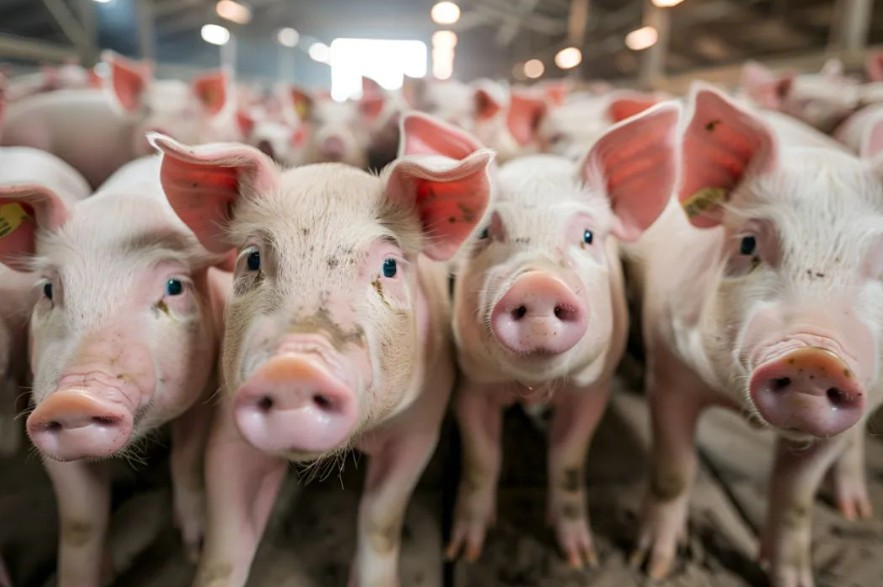
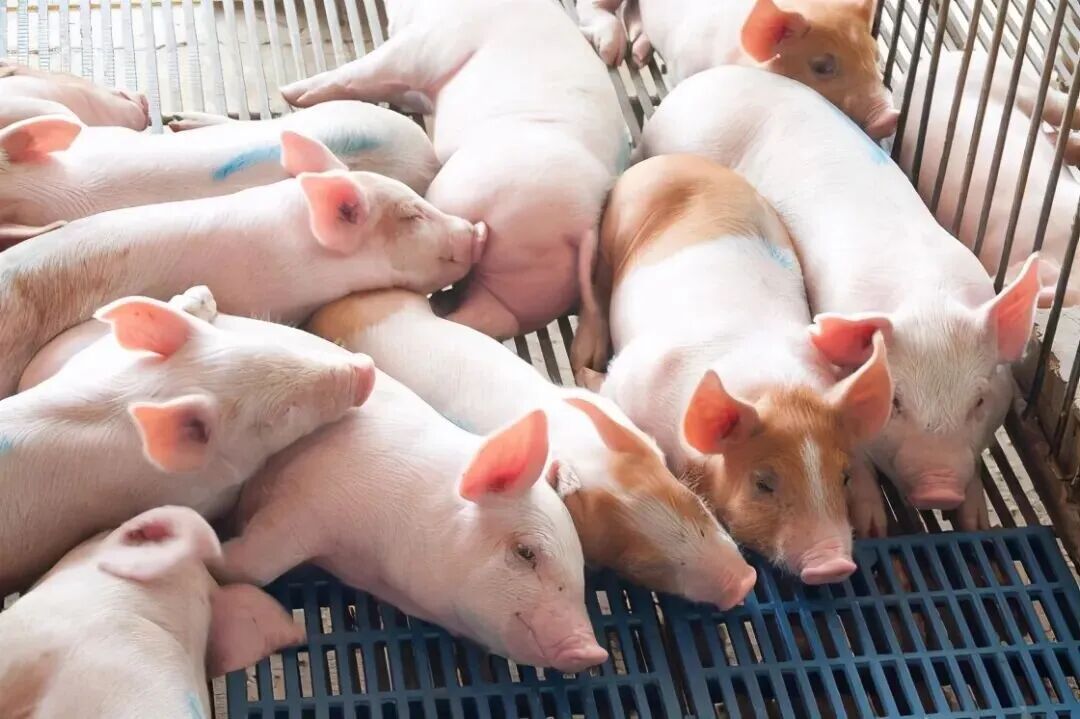
In modern commercial pig farming across North America, Southeast Asia and tropical Africa, the 39-day-old stage is widely recognized as the golden developmental window for piglet intestinal and visceral organ growth. This critical nursery period determines piglets’ intestinal maturity, visceral organ development, immune system establishment and subsequent lifelong growth performance. Most global pig farms focus only on piglet survival rate after weaning while ignoring targeted nutritional regulation during the 39-day key stage, resulting in underdeveloped intestinal villi, weak liver and pancreatic function, incomplete visceral organ differentiation, and frequent post-weaning diarrhea, slow growth and low feed utilization. As a professional global piglet nutrition and developmental health brand, Agovee deeply interprets the developmental rules of piglets’ 39-day golden window and launches exclusive targeted nutritional products to help farms realize synchronized development of piglet intestines and visceral organs, laying a solid foundation for whole-cycle fattening and breeding efficiency improvement.
Why 39 Days Is the Irreplaceable Golden Developmental Window for Piglets
The 39-day-old stage of piglets falls in the core transition period from breast milk feeding to solid feed adaptation, and it is the fastest and most critical stage of intestinal and visceral organ proliferation and differentiation. Scientific piglet developmental data shows that piglet intestinal villus height, crypt depth, intestinal wall thickness and visceral organ weight undergo explosive growth from 30 to 39 days old. The intestinal digestive enzyme activity, intestinal barrier function and liver detoxification function are basically finalized during this period, directly determining the growth potential of finishing pigs and the disease resistance of adult herds.
During this golden window, the piglet’s small intestine continues to elongate, intestinal villi proliferate rapidly, and the absorption area expands significantly. Meanwhile, visceral organs including liver, pancreas, spleen and kidney complete functional improvement and structural maturation. The synchronized development of intestinal tract and viscera builds the core framework of piglet digestion, metabolism and immunity. Once this golden period is missed, underdeveloped intestinal and visceral functions cannot be completely repaired in the later fattening stage, resulting in long-term low feed conversion rate, slow daily weight gain and high sub-health morbidity, forming irreversible breeding losses for pig farms.
For intensive pig farms in the United States, Canada, Vietnam, Thailand, Nigeria and Kenya, standardized nursery stage management and targeted nutritional supplementation in the 39-day golden window are the core keys to reducing post-weaning stress, shortening the fattening cycle and improving overall farm benefits. Neglecting this key stage will lead to uneven herd growth, increased elimination rate and rising breeding costs all year round.

Common Developmental Defects of Piglets Missing the 39-Day Golden Window Nutrition Intervention
Most conventional piglet feeding modes only provide basic nutritional supply, lacking targeted developmental nutrition for intestinal and visceral organs, leading to universal developmental defects in commercial piglets, which are concentrated in three aspects:
1. Immature Intestinal Structure and Weak Barrier Function
Without targeted nutritional regulation, 39-day-old piglets show short and sparse intestinal villi, thin intestinal walls and insufficient intestinal toughness. The incomplete intestinal structure leads to low digestive enzyme activity, poor solid feed adaptation ability, and frequent post-weaning diarrhea and indigestion. The fragile intestinal barrier cannot resist external bacterial and toxin invasion, resulting in low herd immunity and frequent secondary intestinal diseases.
2. Stagnant Viscera Organ Development and Insufficient Metabolic Capacity
The liver, pancreas and spleen of piglets fail to complete mature differentiation during the golden window, resulting in insufficient liver detoxification capacity, weak pancreatic secretion of digestive enzymes and low immune organ activity. Visceral developmental retardation directly causes slow nutrient metabolism, poor toxin excretion and low disease resistance, making piglets prone to growth stagnation and sub-health status in the nursery stage.
3. Unsynchronized Growth and Irreversible Growth Potential Loss
Asymmetrical development of intestines and viscera breaks the physiological balance of piglets. Even if sufficient feed nutrition is supplemented in the later stage, piglets cannot efficiently absorb and utilize nutrients, resulting in uneven herd size, prolonged fattening cycle and reduced slaughter weight, seriously restricting the economic benefits of pig farming.
Defects of Traditional Piglet Nursery Feeding and Management Modes
Traditional piglet feeding only focuses on anti-diarrhea and survival rate, ignoring the core demand of intestinal and visceral synchronized development in the 39-day golden window. Ordinary piglet feed only provides basic protein and energy, lacking active factors for intestinal villus proliferation and visceral organ repair. Single probiotic products only regulate intestinal flora without promoting visceral organ development. Conventional vitamin and mineral additives have low absorption and cannot meet the explosive growth needs of piglets in the golden window. These passive feeding methods can only ensure piglet survival but cannot activate growth potential, resulting in huge waste of piglet developmental advantages.
Aiming at the developmental pain points of piglets in the golden window, Agovee relies on years of global piglet nutrition research and farm verification, and launches a special piglet 39-day golden window developmental nutrition additive, which precisely targets intestinal and visceral synchronized development, fills the gap of traditional nursery feeding, and maximizes piglet growth potential. Core Verified Efficacy of Agovee Golden Window Developmental Nutrition Products
Agovee exclusive piglet developmental formula passes international feed safety certification, zero hormones, zero residues, high temperature resistant and highly stable, suitable for nursery piglet feeding in North America, Southeast Asia and African breeding scenarios. The product integrates intestinal structure optimization, visceral organ development promotion, immune activation and metabolic improvement, with multiple targeted core efficacies:
- Promote intestinal proliferation and perfect intestinal barrier structure: Rich in high-activity intestinal growth factors, microencapsulated probiotics and compound amino acids, it effectively promotes intestinal villus height growth, increases intestinal wall thickness and toughness, optimizes intestinal crypt depth, expands intestinal absorption area, significantly improves piglet feed digestion and absorption capacity, and completely solves post-weaning indigestion and diarrhea problems.
- Stimulate visceral organ maturation and synchronize physiological development: Unique organic trace element complex and liver and spleen nourishing factors target the developmental characteristics of 39-day-old piglets, promote the structural maturation and functional improvement of liver, pancreas, spleen and kidney, enhance liver detoxification and pancreatic digestive enzyme secretion capacity, realize synchronous development of intestines and visceral organs, and build a perfect metabolic and immune system.
- Improve herd uniformity and activate lifelong growth potential: Scientific nutritional regulation eliminates individual developmental differences of piglets, improves the neatness of nursery herds, lays a foundation for rapid and uniform weight gain in the fattening stage, shortens the overall fattening cycle, and increases the average slaughter weight of finishing pigs.
- Enhance systemic immunity and reduce nursery stage diseases: Perfect intestinal barrier and mature visceral immune organs significantly improve piglet disease resistance, reduce the incidence of intestinal diseases, respiratory mixed infections and sub-health problems in the nursery stage, lower farm drug use and mortality, and reduce breeding costs.
- Adapt to global diversified breeding scenarios: The high-stability formula adapts to intensive closed breeding in North America, high-temperature and humid breeding in Southeast Asia and tropical open breeding in Africa, with simple feeding operation, low dosage and high cost performance.

Global Multi-Regional Farm Trial Data Verification
In 2026, Agovee technical team conducted a 90-day controlled feeding trial on commercial pig farms in the United States, Vietnam and Nigeria targeting 30-39-day-old piglets. The results show that compared with the traditional feeding group, the piglets supplemented with Agovee golden window products had 22% higher intestinal villus height, 18% thicker intestinal wall, 20% improved visceral organ development index, 17% higher feed conversion rate, and 29% lower diarrhea incidence. The herd uniformity increased by 23%, and the subsequent fattening cycle was shortened by 8-10 days, with extremely significant economic benefits.
Conclusion
The 39-day-old stage is the decisive golden window for piglet intestinal and visceral organ synchronized development, which determines the lifelong growth performance and disease resistance of pig herds. Traditional single survival-oriented feeding modes can no longer meet the needs of modern high-efficiency pig farming. Only through targeted developmental nutrition intervention can we fully activate piglet growth potential and eliminate congenital developmental defects. As a professional global piglet developmental nutrition brand, Agovee focuses on the core developmental rules of piglets’ golden window, continuously optimizes targeted nutritional formulas, helps global pig farms improve herd quality and breeding efficiency, and empowers the sustainable development of modern pig industry.