
 Why Is Necrotic Enteritis in Ducks and Geese Still So Prevalent Today?Across Asia, Europe and the Americas, waterfowl producers are asking the same urgent question: why does necrotic enteritis in ducks and geese keep rising year after year, even as biosecurity and nutrition have improved? Once regarded as a sporadic disease of broilers, necrotic enteritis (NE) has now become one of the most economically damaging gut diseases in commercial duck and goose farming. Understanding the true drivers behind this surge is the first step toward controlling it — and the answer points to a combination of regulatory change, feed quality, intensive production and microbial ecology.read more
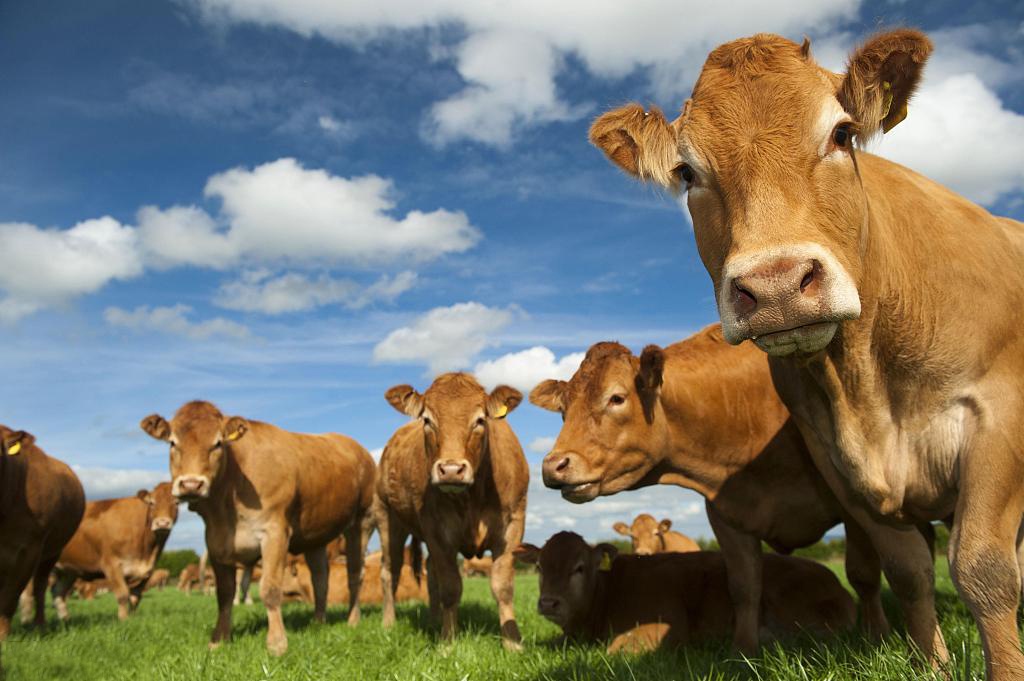
 Autumn FMD Alert: Defend South African Livestock Farms From Seasonal Foot-and-Mouth Disease With Professional SolutionsAs autumn settles across South Africa, fluctuating temperatures, rising morning humidity, and frequent wildlife-livestock interactions create a high-risk window for South African foot-and-mouth disease (FMD) transmission.read more
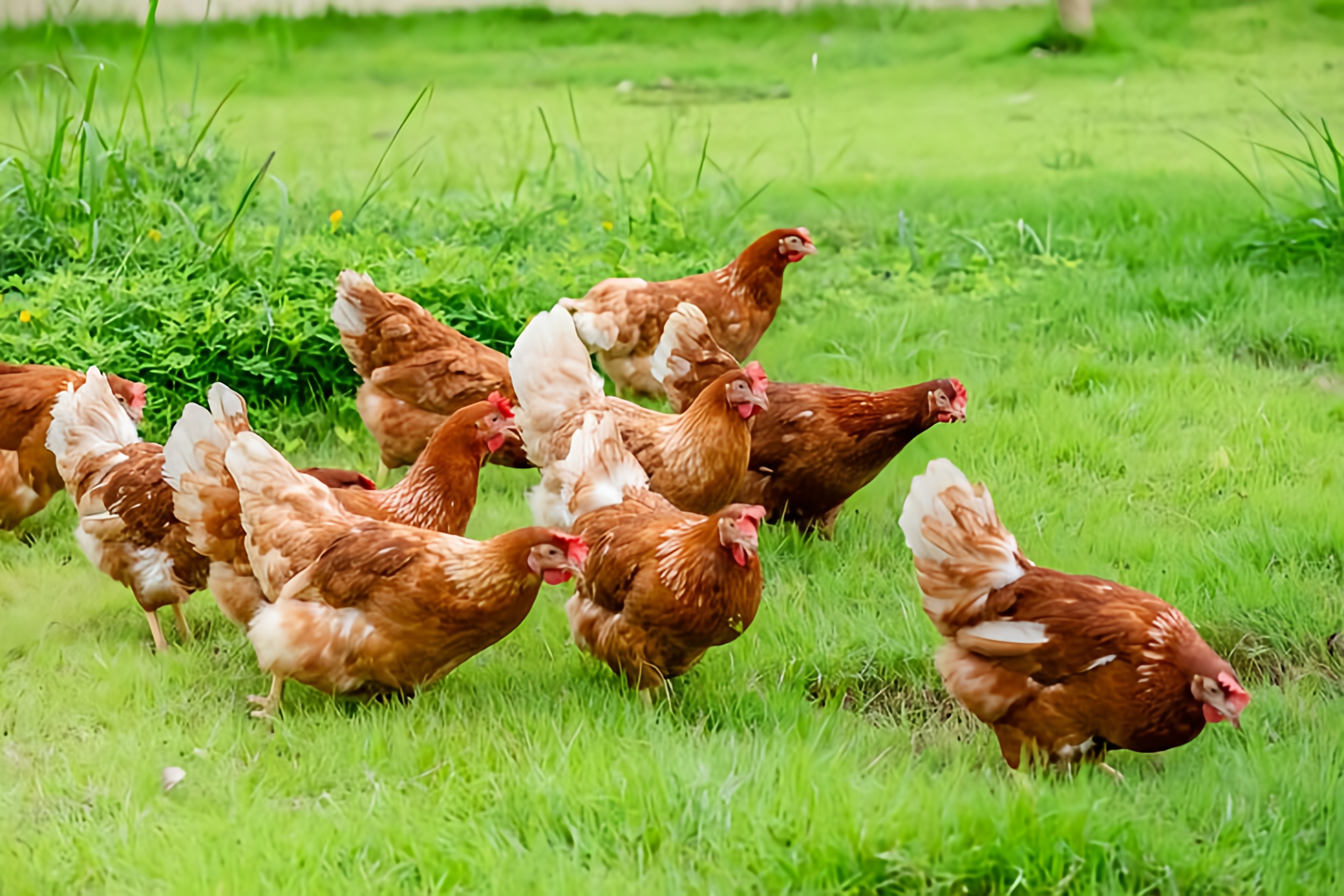
- Headline: **High Incidence of Respiratory Diseases in Poultry Farms When Autumn Arrives! Distinguish 3 Types of Conditions to Cut Unnecessary Farming Losses**Autumn brings dramatic day-night temperature swings, low air humidity and tricky ventilation management for **poultry farms worldwide**, which makes it the peak season for **chicken respiratory diseases**. Many poultry producers suffer hidden economic losses from misdiagnosis, delayed intervention and blind medication. Farmers often confuse viral, bacterial and environmental respiratory symptoms, leading to increased mortality, dropping egg production, poor feed conversion and extra veterinary expenses.read more
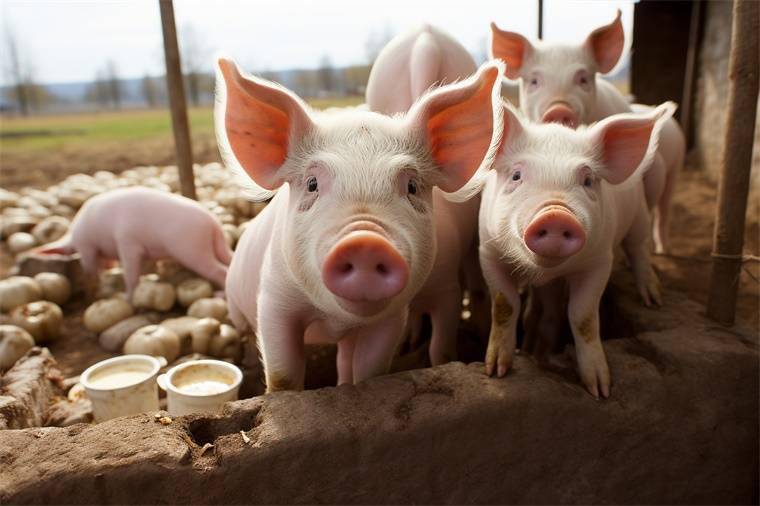
 Early Autumn Pig Farm Precision Management: Multiple Measures to Stabilize ProductionThe hottest weeks of summer have passed, but for pig producers the most deceptive season of the year has just begun. Early autumn pig farming carries a hidden danger: days remain warm, nights turn cool, humidity lingers, and every one of these swings acts as a stressor on the herd. Veterinarians across the global swine industry repeat the same warning every season — when the temperature changes, diseases follow. For farms that want stable output through autumn and into winter, the answer is not luck. It is precision pig farm management — a coordinated package of environmental, nutritional, health, and data-driven measures applied before problems appear.read more
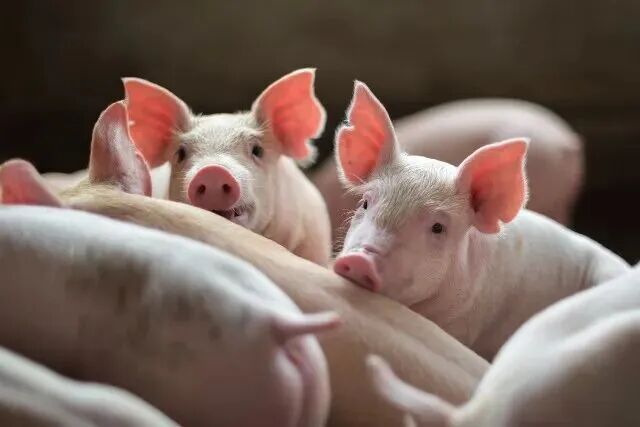
 39-Day Golden Window for Piglets: Synchronized Development of Intestinal Tract and Viscera OrgansIn modern commercial pig farming across North America, Southeast Asia and tropical Africa, the 39-day-old stage is widely recognized as the golden developmental window for piglet intestinal and visceral organ growth. This critical nursery period determines piglets’ intestinal maturity, visceral organ development, immune system establishment and subsequent lifelong growth performance. Most global pig farms focus only on piglet survival rate after weaning while ignoring targeted nutritional regulation during the 39-day key stage, resulting in underdeveloped intestinal villi, weak liver and pancreatic function, incomplete visceral organ differentiation, and frequent post-weaning diarrhea, slow growth and low feed utilization.read more


{item.title}
{item.description}
read more
Please give us a message