
As a professional livestock health and nutrition brand deeply rooted in the African market, AGOVEE deeply analyzes the localized epidemic rules, misdiagnosis pitfalls and fundamental prevention logic of African sheep black disease, and launches targeted functional products to solve the problem of sudden sheep lethargy and sudden death for local pastoral farms.
Epidemic Characteristics and Economic Losses of Sheep Black Disease in Africa
Sheep black disease is an acute, highly fatal infectious disease caused by Clostridium novyi Type B, which is uniquely prevalent in humid grazing sheep flocks and ranks as one of the most destructive silent killers in African pastoral animal husbandry. Different from other common sheep diseases, black disease has an extremely acute onset and rapid progression, with a mortality rate close to 100% once typical lethargy and coma symptoms appear. According to the 2026 African Regional Livestock Epidemic Monitoring Report, more than 70% of low-lying wetland pastures and riverine grazing areas in tropical Africa have endemic black disease risks, with seasonal outbreak mortality accounting for 20%-35% of total sheep flock losses in high-risk areas.
Affected sheep show highly unified typical clinical symptoms adapted to African tropical breeding environments. In the early stage of the disease, sick sheep actively leave the flock, lag behind the group, and are unwilling to move and graze. With the rapid proliferation of bacterial toxins in the body, sheep develop persistent high fever of 40-42℃, rapid and shallow breathing, and progressive lethargy and paralysis. Most sick sheep lie in sternal recumbency, fall into deep coma quickly, and die quietly within one to two days. The most typical post-mortem feature is widespread dark purple subcutaneous venous congestion, which forms the core identification basis for distinguishing black disease from other sudden death diseases. For African pastoral families that rely on sheep breeding as their main source of income, black disease not only causes batch death of fattening sheep and breeding ewes, but also leads to long-term growth retardation, decreased wool quality and reduced lambing rate of surviving flocks, directly reducing farm annual comprehensive income by 15%-28%.
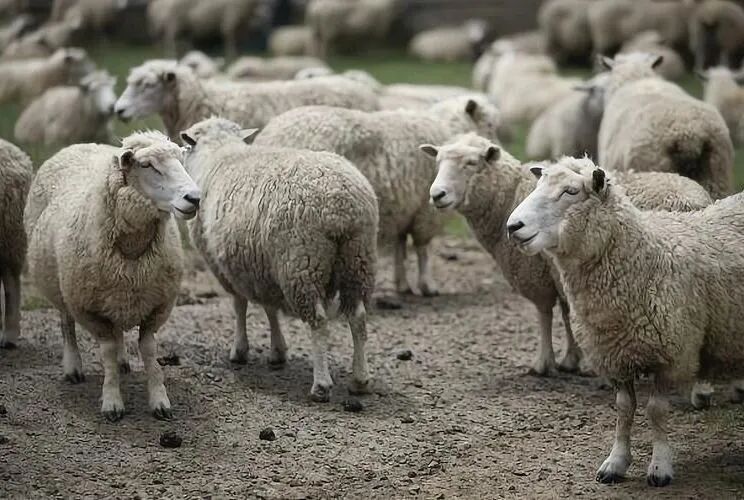
Three Core Causes of Frequent Black Disease Outbreaks in African Tropical Pastures
Combined with the unique tropical climate, pasture environment and extensive grazing mode of Africa, the AGOVEE professional technical team has summarized three localized inducing factors for high incidence of black disease after long-term field tracking research, which are fundamentally different from temperate region epidemic rules:
1. Universal Liver Fluke Infestation Creates Pathogenic Conditions for Bacterial Toxins
The rainy season in tropical Africa forms a large number of stagnant water ponds and humid wetlands, which breed massive lymnaea snails, the intermediate host of liver flukes. Free-range sheep ingest liver fluke larvae during grazing, and the migrating larvae cause extensive damage and necrotic lesions to sheep liver tissues. These damaged liver lesions form an anaerobic environment, which activates dormant Clostridium novyi spores in the body, triggering massive bacterial reproduction and lethal toxin release, and ultimately inducing acute black disease outbreaks. This is the essential prerequisite for all black disease cases in African grazing flocks.
2. Tropical Heat Stress Suppresses Liver Detoxification and Flock Immunity
Sustained high temperature above 30℃ in African tropical pastoral areas causes chronic heat stress in sheep herds, leading to elevated blood cortisol levels, inhibited immune cell activity and significantly reduced liver detoxification function. Heat-stressed sheep cannot effectively decompose and clear clostridial toxins in the body. Even low-level bacterial infection will rapidly deteriorate into systemic toxemia, resulting in sudden lethargy and acute death, which greatly increases the epidemic severity and infection rate of black disease.
3. Extensive Grazing and Imperfect Immune System Lead to Recurrent Epidemics
Most rural pastoral areas in Africa adopt extensive free-range grazing modes with wide flock activity ranges and random disposal of dead sheep carcasses, resulting in long-term contamination of pasture soil and water sources by bacterial spores and parasite eggs. In addition, the imperfect vaccine cold chain system in remote African areas leads to insufficient vaccine antibody potency and poor immune protection effect, making it impossible to form a stable epidemic barrier, resulting in repeated seasonal black disease outbreaks.
Key Identification: Distinguish Black Disease From Other Sheep Sudden Death Diseases
Misdiagnosis and misprevention are the core reasons for persistent black disease losses in African farms. AGOVEE sorts out simple and practical field identification methods suitable for African pastoral scenarios to help farmers accurately distinguish diseases:
Blackleg Disease: Characterized by muscle swelling and emphysema, no extensive liver necrosis, and no obvious systemic lethargy symptoms.
Defects of Traditional African Black Disease Prevention and Control Methods
At present, most African sheep farms rely on traditional single prevention methods, which have obvious bottlenecks and cannot fundamentally solve the black disease epidemic problem. Regular clostridium vaccination is affected by tropical high temperature and transportation conditions, with unstable antibody effects and no repair effect on existing liver damage. Regular chemical deworming can only eliminate adult flukes, but cannot repair fluke-damaged liver tissues or improve liver detoxification capacity, leaving persistent epidemic hidden dangers. Emergency antibiotic treatment after the onset of the disease cannot neutralize the clostridial lethal toxins accumulated in the body, resulting in ineffective treatment and unavoidable death of sick sheep. To fill the industry-wide prevention gap, AGOVEE launches a tropical exclusive sheep black disease prevention and protection product, focusing on liver repair, toxin clearance and immune enhancement to solve sudden sheep death from the source.
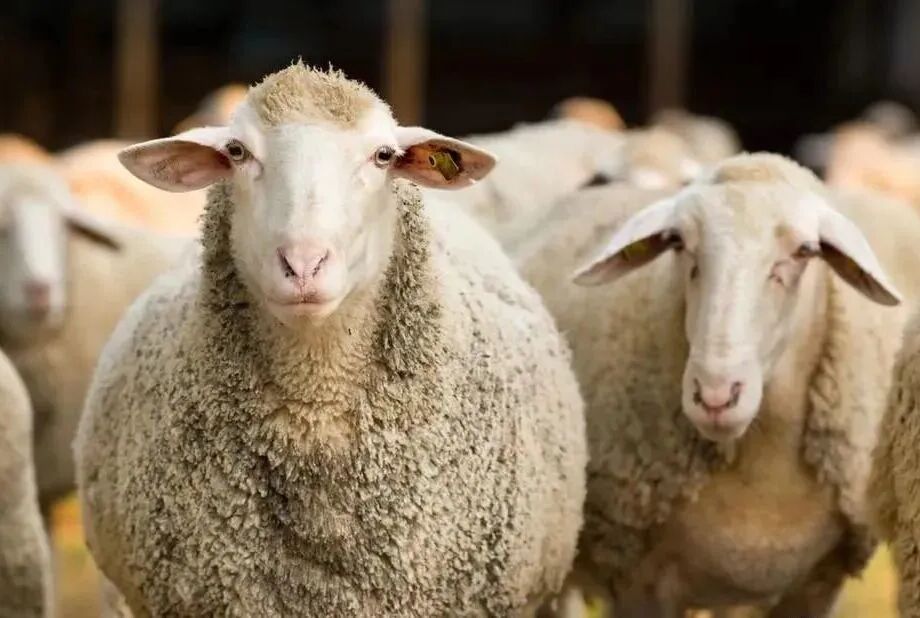
Core Verified Efficacy of AGOVEE Black Disease Prevention Products
AGOVEE specialized sheep liver protection and anti-black disease additive passes ECOWAS feed safety certification, adopts high-temperature resistant tropical exclusive formula, zero hormones and zero banned ingredients, safe for breeding ewes, lambs and rams. The product integrates liver tissue repair, toxin neutralization, immune enhancement and heat stress relief, targeting the core pathogenesis of African sheep black disease, with multiple verified practical efficacies:
- Repair fluke-damaged liver and block bacterial activation: Rich in high-activity milk thistle extract, organic selenium and liver repair factors, it can quickly repair liver necrotic lesions caused by liver fluke migration, restore complete liver tissue structure, eliminate the anaerobic breeding environment of Clostridium novyi, and fundamentally cut off the inducing conditions of black disease.
- Neutralize clostridial toxins and prevent sudden lethargy and death: Unique plant-based toxin-degrading ingredients can effectively neutralize circulating bacterial toxins in sheep blood, reduce neurotoxic damage, improve sheep mental state, significantly reduce the incidence of coma and acute death, and control flock mortality in high-risk seasons.
- Relieve tropical heat stress and stabilize flock immunity: Compound electrolytes and natural anti-stress extracts reduce heat-induced cortisol surge, avoid immune function decline and liver detoxification disorder caused by high temperature, and maintain stable disease resistance of flocks in hot and humid African seasons.
- Strengthen vaccine immune effect and form dual protection: Immune polysaccharides and chelated trace elements activate lymphocyte proliferation, improve vaccine antibody titer and stability under tropical high temperature, make up for the deficiency of traditional vaccination, and form a long-term stable anti-epidemic barrier for flocks.
- Reduce secondary infection and improve production performance: While preventing black disease, it optimizes intestinal and hepatic health, reduces the incidence of secondary bacterial diseases, improves sheep daily weight gain, wool quality and ewe lambing rate, and creates continuous economic benefits for African pastoral farms.
African Local Farm Trial Data Verification
From June to August 2026, AGOVEE African technical team carried out a 90-day controlled feeding trial on a 4500-head commercial sheep farm in South Africa and a 2000-head free-range pastoral flock in Kenya during the peak black disease epidemic season. The results show that compared with the traditional prevention group, the flocks supplemented with AGOVEE products had a 38% lower black disease infection rate, 45% reduced sudden death rate, significantly improved liver health level, and the average daily weight gain of flocks increased by 13%. The seasonal veterinary treatment cost of the farm was reduced by 24%, with extremely significant practical application effect.
AGOVEE Localized African Technical Services
Conclusion
Please give us a message