
Summer brings persistent high temperature and high humidity weather to global waterfowl farming areas, creating optimal breeding conditions for mold and mycotoxin proliferation. Duck and goose farms across North America, tropical Africa, Southeast Asia and South America are facing severe seasonal waterfowl mold contamination crises. High humidity causes feed dampness, litter mildew and water line mold growth, while high temperature accelerates the production of harmful mycotoxins. Most waterfowl breeders only focus on barn ventilation and feed cleaning, ignoring latent mycotoxin damage, resulting in persistent diarrhea, fatty liver, decreased egg production and high mortality in flocks. As a professional global poultry nutrition and health brand, AGOVEE analyzes the summer mold outbreak rules for waterfowl and launches targeted prevention solutions to help farms block mold hazards from the source and stabilize summer farming profits.
Severe Hazards of Mold and Mycotoxin Pollution to Summer Waterfowl Flocks
Waterfowl including ducks and geese have delicate intestinal and liver metabolic systems, which are more sensitive to mycotoxins than other poultry. In summer environments with temperature above 30℃ and relative humidity over 75%, mold spores multiply exponentially in feed, bedding and drinking water systems, producing aflatoxin, zearalenone and deoxynivalenol that cause irreversible damage to waterfowl flocks. According to global waterfowl farming monitoring data, seasonal mold pollution leads to an average 18%-25% decline in comprehensive benefits for commercial waterfowl farms, becoming one of the core hidden dangers restricting summer farming efficiency.
Mold contamination causes multi-dimensional damage to meat-type and egg-type waterfowl. For meat ducks and meat geese, long-term low-dose mycotoxin intake damages intestinal villi, induces persistent watery diarrhea and poor feed absorption, resulting in slow weight gain, low feed conversion rate and prolonged fattening cycle. Severe mold infection will cause mold pneumonia and visceral mold nodules, increasing flock mortality significantly. For laying ducks and breeding geese, mycotoxins damage ovarian and liver functions, leading to decreased egg production, thin-shelled eggs, broken eggs, low hatching rate and increased weak young birds, seriously damaging the reproductive performance of core breeding flocks.
Different from sudden epidemic diseases, mold and mycotoxin damage is chronic and latent. Even with no obvious large-scale morbidity, low-level toxin accumulation will continuously suppress waterfowl immunity, reduce flock disease resistance, and easily induce secondary bacterial and viral mixed infections, forming a vicious cycle of "mold pollution - low immunity - frequent diseases" on farms.
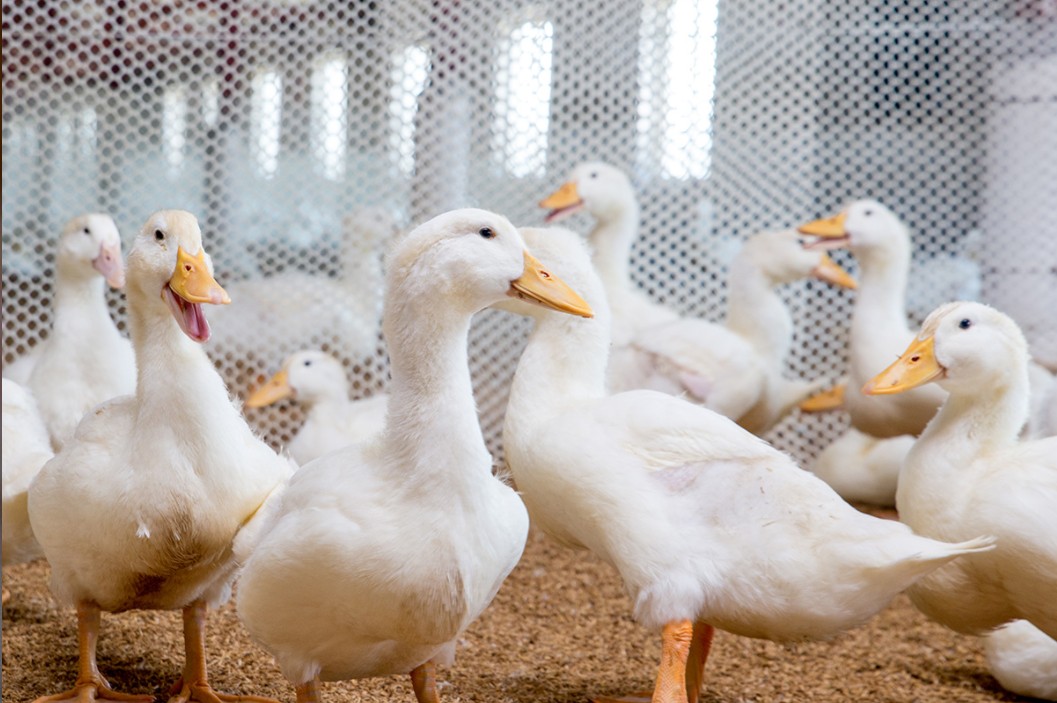
Core Causes of Frequent Mold Outbreaks in Summer Waterfowl Farms
Combined with global summer climatic characteristics and waterfowl farming management pain points, AGOVEE technical team summarizes three fundamental reasons for difficult mold prevention and control in waterfowl farms, explaining why traditional daily management cannot completely eliminate mold hazards:
1. Extreme High Temperature & Humidity Accelerates Mold Proliferation
2. Waterfowl Farming Scenarios Are Prone to Humid Residue Accumulation
3. Single Traditional Prevention Methods Have Obvious Defects
Most farms rely on manual mold removal, regular feed replacement and environmental disinfection for prevention, which only solve superficial mold problems. Common ordinary mold removers on the market only have single physical adsorption functions, cannot degrade existing mycotoxins in the body, and lack intestinal repair and liver protection effects. They cannot improve the physiological damage of waterfowl caused by long-term toxin intake, resulting in repeated mold problems every summer.
Core Efficacy of AGOVEE Exclusive Waterfowl Mold Prevention Solution
Aiming at the seasonal mold pollution pain points of global waterfowl farms, AGOVEElaunches a special waterfowl high-efficiency mold removal and mycotoxin degradation additive, tailored for summer high temperature and high humidity breeding scenarios. The product passes international feed safety certification, with zero hormones, zero residues and high temperature resistance, safe for all growth stages of laying ducks, breeding geese and meat waterfowl. It integrates mold inhibition, toxin degradation, intestinal repair and liver protection, solving waterfowl mold hazards from the source:
- Strongly inhibit mold growth and block spore reproduction: Rich in high-activity plant mold-inhibiting factors and compound probiotics, it can effectively inhibit the reproduction of various mold spores in feed and water environment, prevent feed mildew and water line mold pollution, cut off the external infection channel of mold, and reduce the overall mold pollution pressure of the farm.
- Degrade multiple mycotoxins to eliminate latent toxin damage: Adopting dual technology of physical adsorption and biological degradation, it efficiently targets common harmful toxins such as aflatoxin and zearalenone in waterfowl feed, completely decomposes residual toxins in the body, avoids chronic toxin accumulation, and fundamentally solves the problem of latent mycotoxin damage that cannot be solved by traditional single adsorption products.
- Repair intestinal damage and improve nutrient absorption: Natural plant essential oil compounds and intestinal repair factors repair mold-damaged intestinal villi, balance intestinal flora, improve the digestive and absorption capacity of waterfowl, effectively solve summer diarrhea, slow growth and low feed conversion rate caused by mycotoxins, and improve the growth efficiency of meat waterfowl.
- Protect liver and kidney functions and stabilize reproductive performance: Unique liver-protective ingredients relieve liver metabolic burden caused by toxin decomposition, prevent fatty liver and liver necrosis in waterfowl, stabilize ovarian physiological functions, significantly reduce defective eggs, improve laying rate and hatching quality of breeding waterfowl, and maintain long-term stable reproductive performance.
Enhance flock immunity and reduce secondary diseases: Long-term use can activate waterfowl immune cell activity, reverse immune decline caused by mycotoxin damage, improve flock disease resistance, reduce the incidence of summer intestinal and respiratory mixed infections, and lower farm mortality and veterinary costs.
Global Farm Trial Verification & Practical Effects
In the summer of 2026, AGOVEE technical team conducted 90-day controlled trials on commercial waterfowl farms in the United States, Nigeria and Vietnam, covering multiple global mainstream breeding areas. The trial results show that after using AGOVEE mold prevention products, the feed mildew rate of the farm decreased by 42%, the waterfowl diarrhea incidence caused by mycotoxins decreased by 38%, the laying rate of laying ducks increased by 15%, and the feed conversion rate of meat ducks increased by 12%. The flock liver health level and overall survival rate were significantly improved, with extremely prominent practical prevention effects.
Scientific Summer Mold Prevention Management Guidance With AGOVEE
To help global waterfowl farms achieve full-range mold prevention, AGOVEE summarizes a set of summer targeted management schemes: adhere to regular barn ventilation and drying, clean water lines and feed troughs regularly to avoid residual feed accumulation; match with AGOVEE functional mold removal additives for long-term nutritional prevention, realize the combination of environmental management and internal toxin removal, completely eliminate mold hidden dangers, and ensure the healthy and stable growth of waterfowl flocks in high-temperature and high-humidity seasons.
Conclusion
Please give us a message