
The hottest weeks of summer have passed, but for pig producers the most deceptive season of the year has just begun. Early autumn pig farming carries a hidden danger: days remain warm, nights turn cool, humidity lingers, and every one of these swings acts as a stressor on the herd. Veterinarians across the global swine industry repeat the same warning every season — when the temperature changes, diseases follow. For farms that want stable output through autumn and into winter, the answer is not luck. It is precision pig farm management — a coordinated package of environmental, nutritional, health, and data-driven measures applied before problems appear.
Why Early Autumn Is the Most Dangerous Window of the Year
The transition from summer heat to autumn coolness is rarely smooth. In many pork-producing regions, early autumn brings large diurnal temperature fluctuations — sweltering afternoons followed by sharply cooler nights, a pattern farmers in Asia call the "autumn tiger" heat. Pigs, unlike humans, cannot sweat effectively and have a very narrow thermal comfort zone. When ambient conditions drift outside that zone, the animal diverts energy from growth and immunity to maintain body temperature. Research shows that temperature extremes can reduce pig growth rates by 30–70%, and young piglets are the most vulnerable.
Early autumn also marks the arrival of harvest season. Freshly harvested grains entering feed mills carry elevated risks of mycotoxin contamination — particularly deoxynivalenol (DON) and zearalenone (ZEN) — because humid field conditions and delayed drying promote mold growth. Mycotoxins damage the intestinal lining, suppress feed intake, impair reproductive performance in sows, and undermine the immune system precisely when the herd needs it most. Meanwhile, lingering insect populations and warmer-than-usual nights extend the vector season for disease transmission into what used to be a quiet period.
The epidemiological data confirms the risk. The August 2026 Domestic Swine Disease Monitoring Report shows PRRSV (porcine reproductive and respiratory syndrome virus) case positivity in wean-to-market pigs has climbed to 41.46% — a stark reminder that viral disease pressure remains intense as seasons shift. Environmental stress is a well-documented amplifier of PRRS, and autumn ventilation adjustments done too aggressively or too late can trigger exactly the kind of respiratory disease flare-ups that destroy whole-herd performance.
The Hidden Costs of Seasonal Stress on Pig Performance
Understanding what happens inside a stressed pig explains why production slides so quickly in early autumn. The physiological stress cascade follows a predictable pattern:
- Reduced feed intake — the first measurable signal, triggered by heat in the day and cold at night
- Impaired gut integrity — stress disrupts the intestinal barrier, increasing permeability and the risk of post-weaning diarrhea
- Oxidative stress — excess reactive oxygen species damage tissues and deplete antioxidant reserves
- Immune suppression — stressed pigs mount weaker vaccine responses and become more susceptible to respiratory and enteric pathogens
Poor feed conversion — energy diverted to coping with temperature cannot go to lean tissue gain
For weaned piglets, early autumn compounds an already demanding transition. Weaning stress causes profound changes in small intestine morphology and function, disrupting digestion and absorption and sharply increasing susceptibility to pathogens such as enterotoxigenic E. coli (ETEC). Chilling from night-time temperature drops further lowers piglet resistance, turning a routine weaning group into a diarrhea outbreak waiting to happen. Every case of scours, every setback in growth, every treatment cost is a direct hit to the farm's bottom line — because feed costs account for roughly 70% of total pig production costs, and efficiency losses are expensive to recover.
Multiple Measures, One Goal: Stabilizing Herd Output
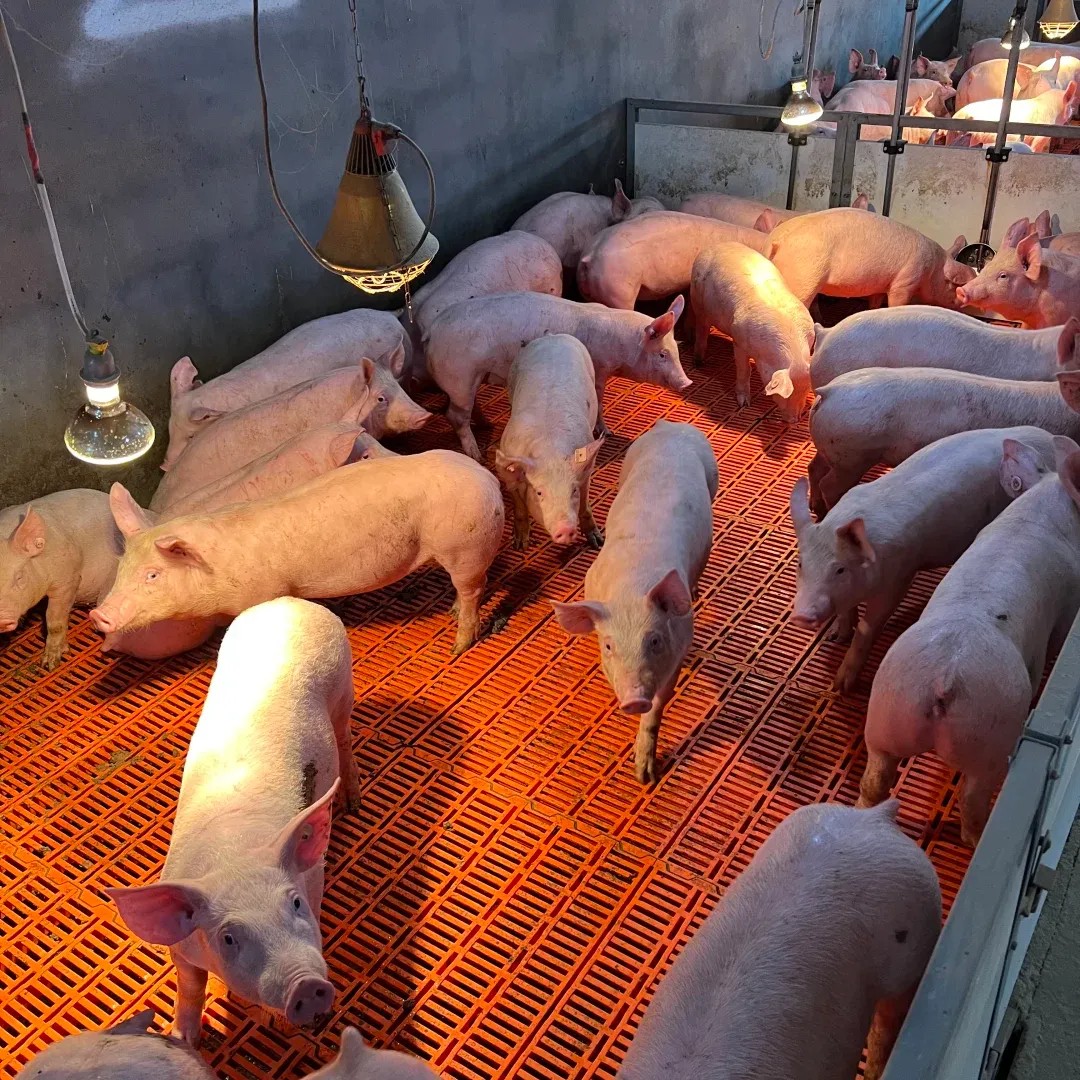
Stable production in early autumn is not achieved through a single action. It requires multi-pronged management measures — the integrated approach experienced producers call "many measures working together." The pillars of an effective early autumn program include:
1. Environmental Precision: Master the Day–Night Swing
Effective pig house environmental control is the foundation. Producers should adjust ventilation rates progressively rather than abruptly, monitor night-time temperature in each barn section, and provide supplemental heating for farrowing and nursery rooms before piglets feel the cold. Correct minimum ventilation maintains air quality — removing ammonia and moisture — without creating drafts. Keeping pig house temperature within the thermal comfort zone (approximately 29–32°C for newborn piglets, 20–26°C for growers, and 15–20°C for finishers) prevents the energy drain that slows growth and suppresses immunity.
2. Nutritional Adjustment: Energy, Mycotoxins, and Gut Support
Dietary reformulation for early autumn feeding should anticipate the seasonal shift: slightly increased energy density as nights cool, adjusted amino acid ratios to maintain lean gain, and strict mycotoxin management — including regular testing of incoming grain, use of quality binders where risk is confirmed, and careful feed storage to prevent secondary mold growth. For weaned piglets, gut health nutrition is the priority: highly digestible ingredients, controlled protein levels to limit fermentation in the hindgut, and support for intestinal barrier integrity through the critical weeks after weaning.
3. Health and Immunity: Build Protection Before the Stress Arrives
Autumn is the season to strengthen herd immunity deliberately. Vaccination programs should be completed before the heaviest temperature swings, with attention to PRRS, circovirus, and swine influenza risk in each region. Biosecurity protocols — including visitor control, vehicle sanitation, and rodent and insect control — deserve a fresh autumn audit. Many progressive farms add routine serological monitoring in early autumn to establish a baseline of herd health status before winter pathogen pressure rises. Strategic deworming and parasite control also matter: parasite burdens drain nutrients and depress immunity exactly when the herd faces seasonal stress, and autumn deworming of sows and growers breaks transmission cycles before they amplify in confined winter housing.
4. Sow and Gilt Management: Protect the Engine of the Farm
Sow herd productivity determines whole-farm output, and autumn stress hits the breeding herd hard. Body condition scoring before the cool season, adjusted feed levels for lactating and gestating sows, and careful attention to gilt development — ensuring replacement gilts reach adequate weight and back fat before first service — protect farrowing rates, litter size, and weaning weights. A well-managed sow can wean 20–30 piglets per year; protecting that output through seasonal transitions is the single highest-leverage management action on most farms.
5. Data-Driven Decisions: Measure, Adjust, Improve
Modern pig farm management runs on records. Tracking daily feed intake, water consumption, mortality, treatment rates, and average daily gain allows early detection of problems days before clinical signs appear. Farms that monitor feed conversion ratio (FCR) week by week identify efficiency drift immediately and can adjust rations or environment before losses accumulate. Record keeping is not paperwork — it is the early warning system that makes precision management possible.
Agovee: Natural Nutritional Support for the Autumn Transition
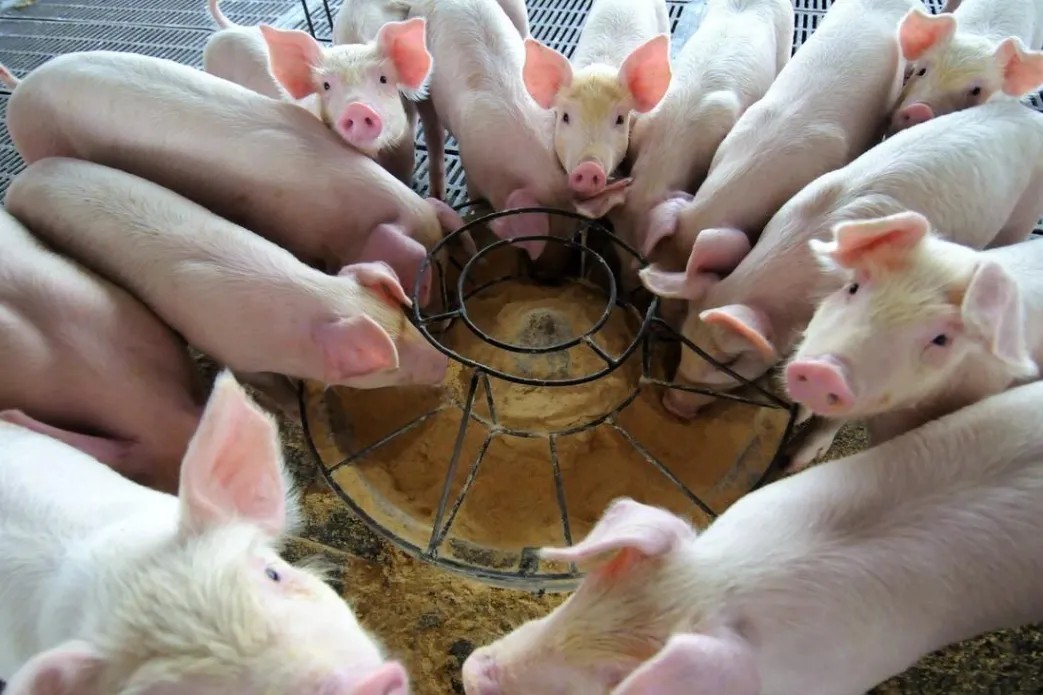
At the center of an effective early autumn program is nutritional support that works with the pig's own biology. This is where Agovee delivers measurable value. Agovee's range of natural phytogenic feed additives for pigs is specifically formulated to address the physiological challenges of seasonal stress — gut integrity, oxidative balance, immunity, and feed efficiency — using plant-derived bioactive compounds validated by modern nutritional science.
Gut Health and Post-Weaning Diarrhea Prevention
Agovee's pig gut health supplement supports intestinal barrier function and a balanced gut microbiota during the vulnerable weeks after weaning. Published research confirms that plant extract formulations reduce post-weaning diarrhea by countering oxidative stress and protecting intestinal morphology — directly targeting the ETEC-driven scours that spike in autumn temperature swings. Healthier guts mean better nutrient absorption, steadier daily gain, and fewer treatment interventions.
Immune Support and Antioxidant Defense
Agovee's pig immune booster combines polyphenols, flavonoids, and natural antioxidant compounds that neutralize reactive oxygen species and support both innate and adaptive immunity. By sustaining immune function through temperature transitions and vaccination periods, Agovee helps herds maintain disease resistance and respond more effectively to vaccines — a critical advantage when respiratory pathogen pressure is rising.
Growth Performance and Feed Efficiency
Research on phytogenic feed additives in swine nutrition consistently shows improved growth performance, nutrient digestibility, and beneficial shifts in gut microbiota — with the greatest benefits appearing under disease or stress conditions, exactly the situation autumn creates. Agovee's pig growth promoter natural formula helps animals maintain average daily gain and feed conversion ratio through the autumn transition, protecting the efficiency that determines farm profitability.
Sow and Lactation Support
Agovee also offers specialized sow nutrition supplements supporting gestation, lactation, and milk output, helping sows maintain body condition through seasonal stress and wean heavier, more uniform litters. Healthy sows produce healthy piglets — and that chain of resilience starts with nutrition.
Antibiotic-Free, Residue-Free, Export-Ready
All Agovee swine health products are 100% natural, antibiotic-free, and residue-free, with no withdrawal periods. For producers supplying premium pork markets, export channels, and buyers demanding antibiotic-free pork production, Agovee provides a fully compliant nutritional platform — from large integrated operations in China, Brazil, and the United States to growing commercial farms in Vietnam, Thailand, and the Philippines, and smallholder pig enterprises across Nigeria, Kenya, and South Africa.
Act Before the Season Turns
Early autumn rewards preparation and punishes reaction. The farms that maintain stable output through the seasonal transition are the ones that adjust environment, nutrition, and health programs together — before the first cold night — rather than treating problems after they appear. By combining precision pig house management with science-backed natural nutrition, producers can protect daily gain, feed efficiency, reproductive performance, and herd health through autumn and into the winter ahead.
Agovee partners with pig producers, nutritionists, and veterinarians worldwide to deliver natural, field-proven solutions for seasonal stress management in swine production. Whether you manage a multisite commercial operation or a family-scale farrow-to-finish farm, Agovee's phytogenic feed additives and pig health supplements are engineered to help your herd thrive — not just survive — the seasonal change.
Contact Agovee today to design an early autumn nutritional program tailored to your herd, your region, and your production goals. Stabilize your output, protect your margins, and enter winter with a stronger herd.
Please give us a message