
In modern, large-scale layer farming operations, maintaining peak egg production and ensuring the stability of egg quality are the core metrics by which a farm's profitability is measured.
However, many farmers are frequently plagued by two major challenges: "diarrhea in laying hens" and the occurrence of "fecal-soiled eggs." These issues not only lead to a decline in eggshell quality but also result in significant feed wastage, and can even trigger widespread respiratory or immune system diseases.
As a global leader in livestock nutrition and health solutions, AGOVEE remains steadfastly focused on the intestinal health of laying hens. This article delves into the causes and clinical manifestations of diarrhea and fecal-stained eggs in laying hens, while also providing highly effective strategies for their prevention and treatment.
I. In-depth Analysis of the Pathological Causes of Diarrhea and Fecal-Stained Eggs in Laying Hens
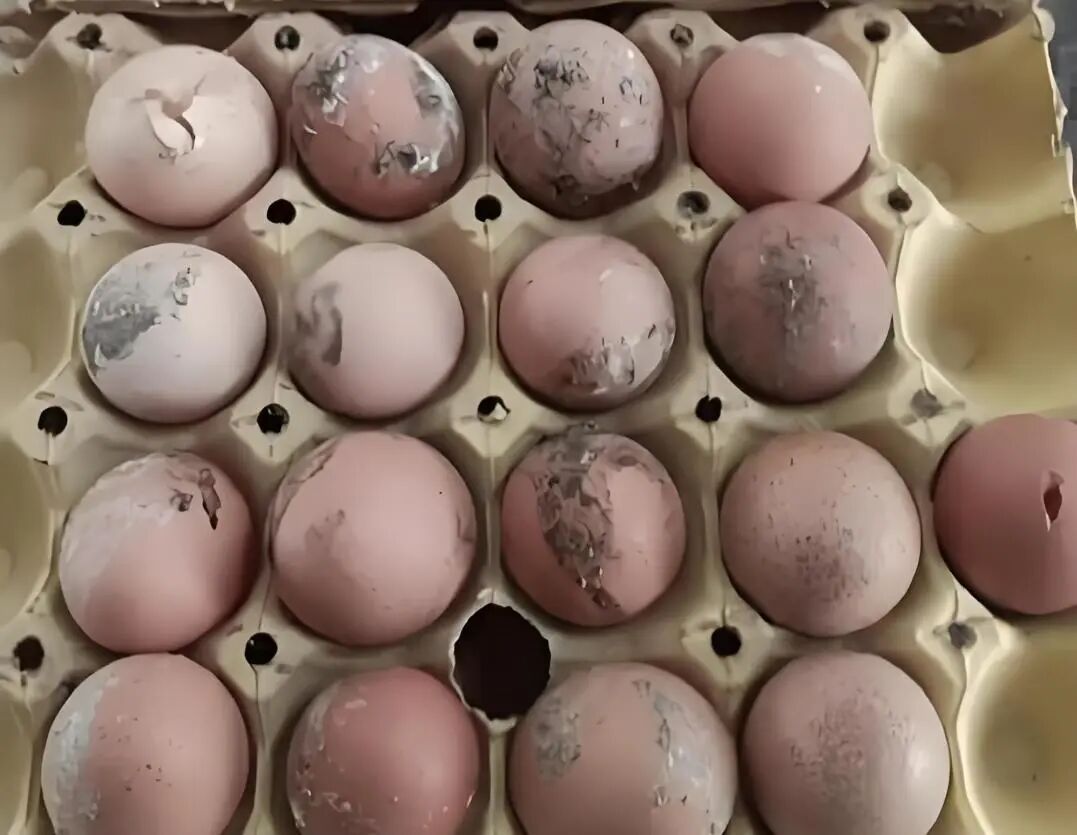
Diarrhea in laying hens is not a singular ailment, but rather a disruption of intestinal function resulting from the interplay of various factors. When intestinal peristalsis becomes excessively rapid or absorptive function is impaired, large quantities of water and undigested nutrients are expelled from the body; this results in loose, watery droppings, which subsequently contaminate the eggshells—giving rise to what are known as "fecal eggs."
1. Infection by Pathogenic Microorganisms: This is the most direct cause. *E. coli*, *Salmonella*, and the causative agent of necrotic enteritis (*Clostridium perfringens*) damage the intestinal mucosa of laying hens, leading to severe indigestion and intractable diarrhea. Furthermore, atypical symptoms of viral diseases—such as Avian Influenza or Newcastle Disease—often manifest as loose droppings.
2.Feed and Nutritional Factors:
* Excessive Protein : An overly high proportion of soybean meal in the feed, or the use of inferior protein sources, can lead to excessive ammonia levels in the intestines, irritating the intestinal mucosa and causing diarrhea.
* Mycotoxins : Corn and wheat bran contaminated with mycotoxins can directly damage the liver and intestinal epithelial cells, causing the flock to suffer from persistent "watery droppings."
* Excessive Salt Content : High levels of salt in the feed or drinking water can cause laying hens to consume excessive amounts of water, thereby triggering physiological diarrhea.
3. Stress Factors: Laying hens are extremely sensitive to environmental changes. Environmental stressors—such as feed changes, flock relocation, high temperatures and heat stress, or vaccination—can disrupt autonomic nervous system function, leading to transient outbreaks of diarrhea within the flock.
4. Gut Microbiota Imbalance: Prolonged use of antibiotics can lead to the destruction of beneficial gut flora, allowing harmful bacteria to opportunisticly invade and disrupt the balance of the intestinal microecology.
II. Assessment of Clinical Symptoms and Economic Losses
Timely detection of symptoms of diarrhea in laying hens is crucial for minimizing losses. Farmers should focus their observations on the following aspects:
**Fecal Appearance:** Observe for the presence of watery stools, loose yellow-green feces, bloody stools, or "undigested feed" feces containing visible, unassimilated feed particles.
**Flock Behavior:** Sick birds often exhibit signs such as ruffled feathers, pale combs and wattles, abnormally increased water intake, and a decline in feed consumption.
**Egg Quality:** The most prominent manifestation is a sharp surge in the proportion of eggs contaminated with feces. Fecal matter adhering to the eggshell surface not only compromises aesthetic appeal but also allows pathogenic bacteria to penetrate the interior through the shell's pores, thereby severely compromising the eggs' shelf life and hatchability.
**Production Data:** Fluctuations in egg production rates, reduced egg weight, and an elevated Feed Conversion Ratio (FCR) represent direct economic losses resulting from poor intestinal health.
According to statistics, for a poultry farm with a capacity of 10,000 birds, if the proportion of soiled eggs exceeds 5%, the direct annual economic losses—including labor costs for cleaning, revenue lost from selling downgraded eggs, and veterinary expenses—can amount to tens of thousands of dollars.
III. Comprehensive Prevention Strategy: Building an Intestinal Health Barrier
In addressing diarrhea in laying hens, prevention should take precedence over treatment. AGOVEE advocates for "systematic management":
1.Strengthen drinking water management: Regularly clean drinking water lines to prevent the proliferation of pathogens within biofilms. Ensure that the water meets the standards for livestock and poultry drinking water.
2.Precision Feed Formulation: We precisely regulate protein and fiber levels according to the specific growth stages of laying hens, while strictly controlling raw materials to completely eliminate the use of moldy or deteriorated feed.
3.Biosecurity System: Strictly implement disinfection protocols to minimize contamination of poultry houses by external personnel and vehicles, thereby reducing the incidence of infectious diarrhea.
IV. Treatment Regimens and the Exceptional Performance of AGOVEE
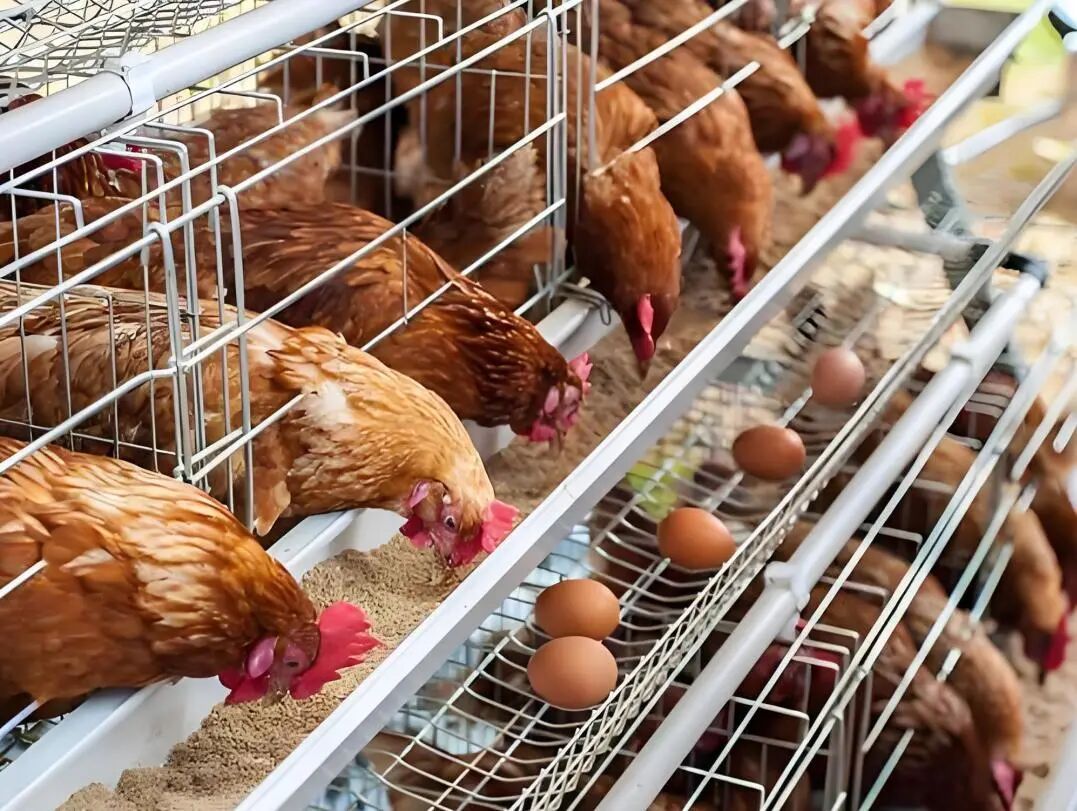
In treating laying hens suffering from diarrhea and the production of "fecal eggs" traditional antibiotic therapies often address only the symptoms rather than the root cause, while also carrying a high risk of leaving behind drug residues. After years of intensive research and development, the AGOVEE team has introduced a "green" solution centered on the dual approach of "bioremediation and microecological regulation."
AGOVEE Gut Health Specialized Products: Efficacy Advantages
*Rapid Intestinal Stabilization: AGOVEE’s flagship product features highly active natural plant extracts that rapidly repair damaged intestinal mucosa and enhance the gut's nutrient reabsorption capacity. In field trials, the incidence of watery droppings in poultry flocks was reduced by over 80% within just 48 hours of implementing the AGOVEE regimen.
*Inhibition of Harmful Bacteria: By incorporating high concentrations of beneficial probiotics—such as *Bacillus subtilis* and *Clostridium butyricum*—AGOVEE rapidly and competitively inhibits the proliferation of *E. coli* and *Salmonella*, thereby addressing infectious diarrhea at its very source.
*Complete Elimination of "Fecal Eggs": As intestinal function is restored, stool consistency improves, leading to a significant reduction in the occurrence of "fecal eggs" (eggs soiled with feces). According to feedback from major poultry farming groups, continuous use of the AGOVEE intestinal conditioner for 7–10 days can lower the fecal egg rate from 15% to less than 1%, while simultaneously enhancing the vibrancy and luster of the eggshells.
*Improved Feed Conversion Ratio: AGOVEE products go beyond merely treating diarrhea; they also boost the activity of digestive enzymes, enabling laying hens to absorb nutrients more efficiently. This means that while resolving intestinal issues, you will also achieve a substantial improvement in feed efficiency, resulting in an average reduction in feed costs of 3% to 5%.
V. Conclusion: Choose AGOVEE to Safeguard Your Farming Profits
While diarrhea and the production of "fecal eggs" in laying hens may appear to be minor issues, they are, in reality, warning signs of physical debilitation and a breakdown of the intestinal system.
In this era of high-yield, high-efficiency poultry farming, protecting intestinal health is synonymous with protecting your profits.
AGOVEE remains steadfast in its philosophy of "Advancing Animal Husbandry Through Technology" providing you with the most professional veterinary pharmaceuticals and nutritional solutions.
If you are currently facing challenges related to laying hen diarrhea or compromised egg quality, please contact the AGOVEE technical team immediately. We will develop a personalized,
one-on-one intestinal recovery plan designed to help your flock return to its peak production performance.
Please give us a message