
Autumn brings dramatic day-night temperature swings, low air humidity and tricky ventilation management for poultry farms worldwide, which makes it the peak season for chicken respiratory diseases. Many poultry producers suffer hidden economic losses from misdiagnosis, delayed intervention and blind medication. Farmers often confuse viral, bacterial and environmental respiratory symptoms, leading to increased mortality, dropping egg production, poor feed conversion and extra veterinary expenses.
Agovee, a global supplier of phytogenic feed additives for poultry, releases practical poultry health guidelines to help farm managers clearly differentiate three major categories of respiratory illnesses, implement targeted prevention protocols, and reduce unnecessary losses in commercial poultry production. With field data verified on thousands of layer chicken farms, Agovee’s poultry respiratory health supplement protects airway mucosa, relieves respiratory inflammation and strengthens flock immunity, helping chicken farms survive autumn disease pressure smoothly.
Why Autumn Triggers Respiratory Outbreaks on Chicken Farms
Autumn weather fluctuation is the core trigger of poultry respiratory problems. Large temperature gaps between day and night create constant cold-heat stress for chickens, damaging the cilia on the respiratory mucosal barrier. Once this first line of defense breaks, pathogens easily colonize the trachea, air sacs and lungs. Meanwhile, dry autumn air, high ammonia concentration and excessive dust inside chicken houses further irritate respiratory tracts, accelerating the spread of pathogens among flocks.
Many farm owners underestimate the danger of subclinical respiratory infections. Even without obvious chicken deaths, mild respiratory issues can reduce feed intake, weaken immunity, lower laying rate, increase soft-shell eggs and degrade meat quality. For medium and large-scale commercial poultry operations, these hidden losses often exceed direct mortality losses. Early identification and classification of respiratory symptoms are the foundation of cost-effective autumn poultry management.
Three Major Categories of Poultry Respiratory Conditions: Symptoms, Hazards and Identification
1. Viral Respiratory Diseases
Common pathogens include Newcastle Disease (ND) and Infectious Bronchitis (IB). This category spreads fast through air and aerosols, causing systemic immune suppression besides respiratory signs.
Typical signs: Sudden coughing, tracheal rales, watery nasal discharge, facial swelling, greenish loose droppings. For laying hens, egg production drops sharply, eggs become pale with rough, thin shells. Infected chickens show depression, fluffy feathers and reduced water and feed intake. Autopsy findings show tracheal bleeding, bronchial blockage and air sac inflammation. Mixed infection with bacteria will drastically raise mortality risk within a few days.
Viral respiratory diseases damage the whole immune system. Even after the acute phase passes, flocks remain vulnerable to secondary bacterial infection for weeks, which is why many farms face repeated illness outbreaks in autumn.
2. Bacterial & Mycoplasma Respiratory Conditions (CRD, Chronic Respiratory Disease)
Mycoplasma gallisepticum, E. coli and infectious coryza bacteria are the leading causes. Unlike explosive viral outbreaks, this type develops slowly and turns chronic easily. It is the most common respiratory issue in autumn chicken houses.
Typical signs: Persistent snicking, wheezing at night, sticky nasal discharge, swollen sinuses around eyes. Mortality stays low at the early stage, but feed conversion ratio worsens continuously. Once chickens get cold stress or poor ventilation, the condition quickly develops into airsacculitis. Chronic respiratory disease can linger in the flock for months, continuously suppressing laying performance and increasing culling numbers, creating long-term hidden losses for poultry farmers.
Many producers treat CRD repeatedly with antibiotics, which raises drug resistance, leaves residues in eggs and meat, and pushes up farming costs. Natural nutritional support becomes an important auxiliary management method for long-term flock health maintenance.
3. Environment-Induced Non-Infectious Respiratory Irritation
This condition is not caused by viruses or bacteria, but by poor poultry house environment: excess ammonia gas, high dust, improper ventilation, cold drafts and dry air. It is frequently misjudged as infectious respiratory disease, leading to unnecessary antibiotic use and wasted investment.
Typical signs: The whole flock sneezes and coughs evenly, no obvious individual lethargy, no sharp egg drop. Symptoms improve rapidly once ventilation, humidity and litter quality are adjusted. If the bad environment continues, the damaged respiratory mucosa opens the door for viruses and bacteria, evolving into mixed infectious respiratory disease. This is a critical warning point for all layer and broiler farms in autumn management.
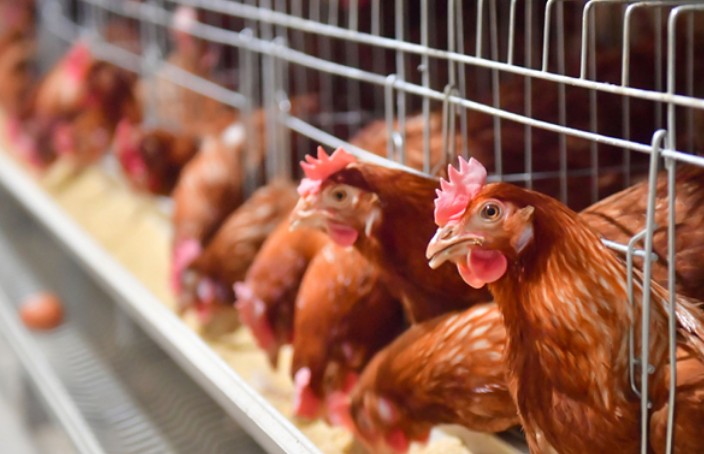
Reduce Autumn Farming Losses with Targeted Prevention & Agovee Poultry Respiratory Solution
After distinguishing these three respiratory categories, farm managers can adopt layered control strategies: environmental adjustment for non-infectious irritation, vaccine program and immune enhancement for viral diseases, and mucosa protection + pathogen inhibition for mycoplasma and bacterial risks. Prevention is always more economical than treatment for commercial poultry farming.
To solve autumn respiratory stress for global poultry producers, Agovee developed its specialized poultry respiratory health supplement, a phytogenic additive compounded with selected plant extracts, essential oils and immune-support nutrients. The product can be added via drinking water or mixed into feed, fitting the daily management workflow of large layer farms and broiler farms in Europe, Southeast Asia, Africa and Latin America.
Core Functional Efficacy of Agovee Poultry Respiratory Supplement
- Repair respiratory mucosal barrierThe formula protects tracheal and bronchial epithelial cilia, reduces damage caused by cold stress, ammonia and dust. Healthy mucosa works as the first defense wall to block pathogen attachment and colonization, lowering infection probability when autumn temperature fluctuates.
- Clear airway mucus and relieve congestionBotanical active ingredients thin accumulated mucus, promote mucociliary clearance, reduce tracheal rales, coughing and bronchus blockage. Chickens breathe smoothly and recover normal feed and water intake faster under respiratory challenges.
- Anti-inflammatory and natural antimicrobial supportSynergistic phytogenic components ease respiratory tract inflammation and suppress the proliferation of mycoplasma and harmful bacteria. It serves as an effective auxiliary measure to reduce antibiotic dependency in poultry farms, meeting global standards for antibiotic-free poultry production and residue-free eggs and meat.
- Boost poultry immune functionIt modulates cellular and humoral immunity, stabilizes antibody levels of the flock. Stronger immunity reduces the severity of viral and bacterial attacks, cuts mortality and culling rates, and maintains stable egg production and weight gain during autumn stress periods.
- No drug residues, safe for continuous useThis natural feed additive requires no egg or meat withdrawal period. Farmers can use it in advance for autumn health care before respiratory outbreaks, or apply it during early symptom stages to stop conditions from deteriorating into mixed infection.
Field trial data collected by Agovee on commercial layer farms shows: farms using Agovee respiratory support product in autumn health programs see 30–40% reduction of chronic respiratory incidence, lower culling numbers, more stable laying curve and improved feed conversion ratio, effectively cutting comprehensive farming losses caused by seasonal respiratory diseases.
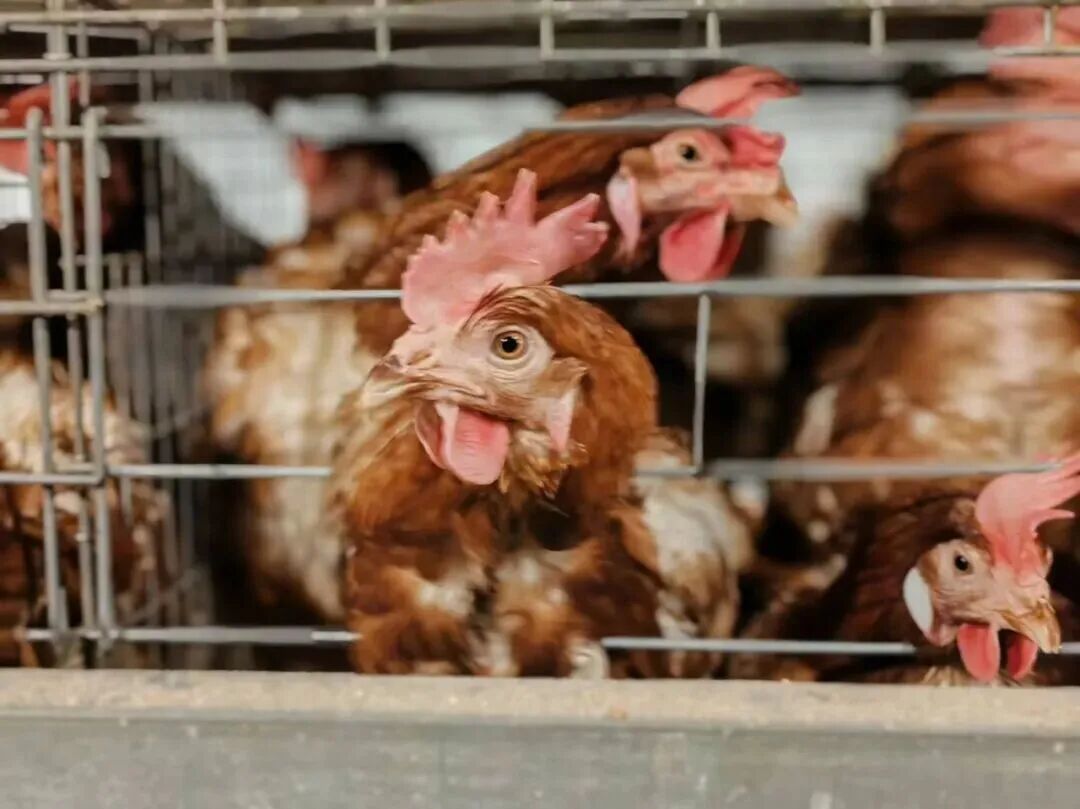
Agovee: Global Poultry Nutrition Partner for Sustainable Farming
Agovee focuses on R&D and manufacturing of high-performance phytogenic feed additives and gut health products for livestock and poultry. With factory production lines and professional animal nutrition R&D labs, Agovee supplies reliable nutritional solutions to poultry producers across the world.
Agovee’s technical team provides free farm consultation services for commercial chicken farms: flock symptom diagnosis, chicken house environment assessment, seasonal health care plan design and product dosage guidance. Instead of only selling additives, Agovee helps farmers build a full-cycle prevention system combining environment control, immunity boosting and nutritional protection, so farms can minimize seasonal disease losses and raise stable profits.
Key Takeaways for Autumn Chicken Farm Management
- Track day-night temperature difference strictly; avoid cold drafts hitting chicken bodies directly.
- Monitor ammonia, dust and humidity inside poultry houses to prevent environmental respiratory irritation.
- Classify respiratory symptoms correctly: viral, bacterial/mycoplasma or environmental irritation, and avoid blind medication.
- Take proactive autumn immune and mucosa protection with natural nutritional additives, rather than passively treating outbreaks.
- Select residue-free, high-efficiency poultry health products to meet global export requirements of eggs and chicken meat.
As autumn temperature shifts continue, respiratory pressure on poultry farms will keep rising. Misjudgment of chicken respiratory symptoms brings avoidable financial damage every year. By learning to tell apart these three disease types and adopting Agovee’s respiratory support solution, poultry farmers can protect flock health, stabilize production performance and reduce unnecessary farming losses this autumn.
Please give us a message