
I. The Core Etiology of Soft-Leg Disease in Poultry: The Superimposition of Multiple Factors—Precise Screening is Key
The causes of soft-leg disease in poultry are complex and diverse, broadly categorized into three main areas: nutritional metabolism, pathogen infection, and environmental management. The superimposition of these multiple factors frequently leads to a high incidence of the disease and recurrent outbreaks; therefore, targeted screening and preventive control measures are essential.
1. Nutritional and Metabolic Factors (Most Common)
This is the primary cause of "soft leg" syndrome in poultry, most often resulting from unbalanced feed nutrition or impaired nutrient absorption. Among these factors, an imbalance in the calcium-to-phosphorus ratio is the most prevalent; insufficient levels of calcium and phosphorus in the feed—or a disproportionate ratio between them—leads to skeletal dysplasia and osteoporosis in poultry, subsequently manifesting as soft leg symptoms. Furthermore, vitamin deficiencies—particularly deficiencies in B-complex vitamins (B1, B2, B5, etc.), Vitamin D3, and Vitamin E—impair neurological function and bone mineralization, triggering issues such as soft legs and paralysis. Additionally, deficiencies in nutrients such as biotin, niacin, and choline can cause swelling of the leg joints and skeletal deformities (specifically, short and thickened bones), thereby inducing soft leg syndrome. Concurrently, the consumption of moldy feed or the presence of nutrient absorption disorders can further exacerbate nutritional deficiencies, thereby increasing the likelihood of disease onset.
2. Pathogenic Infection Factors
Infections caused by pathogens—such as bacteria, viruses, and mycoplasmas—can directly damage the joints, nerves, or internal organs of poultry, thereby inducing symptoms of "soft legs." Common examples include *Mycoplasma synoviae* infection, which triggers synovitis and tenosynovitis, leading to lameness and soft legs in poultry; and viral arthritis, caused by reoviruses, which results in tendon rupture and joint swelling, thereby impairing locomotion. Furthermore, arthritis resulting from *E. coli* or *Staphylococcus* infections, as well as parasitic infestations such as leukocytozoonosis and knee mite infestations, can all manifest as symptoms of soft legs and difficulty standing in poultry.
3. Environmental and Management Factors
Poor rearing environments and improper management can trigger or exacerbate "soft leg" disease. Damp, cold, and poorly ventilated poultry houses—particularly those with excessive ammonia concentrations—can irritate the birds' joints and impair blood circulation. High stocking densities and insufficient physical activity can lead to skeletal maldevelopment and weak musculature. Furthermore, stressors such as extreme temperature fluctuations, flock relocation, and beak trimming can compromise the birds' immune systems, thereby indirectly precipitating soft leg symptoms. Additionally, physical trauma (such as fractures or sprains) or infections resulting from improper vaccination procedures can also result in soft leg conditions in poultry.
II. Clinical Symptoms of Soft-Leg Disease in Poultry: Accurate Identification to Avoid Misdiagnosis and Improper Treatment
The clinical symptoms of soft-leg syndrome in poultry are characteristic; while symptoms may vary slightly depending on the bird's age and the underlying cause, poultry farmers can quickly identify the condition based on the following manifestations, thereby seizing the critical window for treatment.
1. Common Core Symptoms
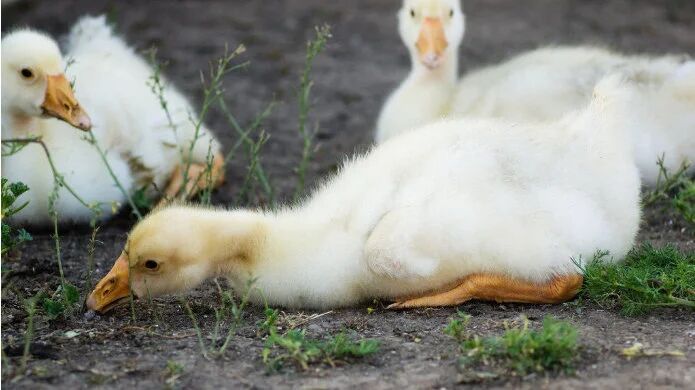
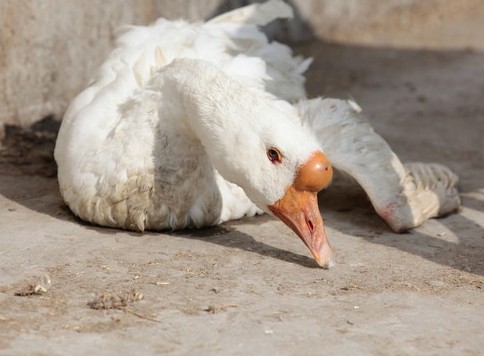
In the early stages of the disease, affected birds exhibit lethargy, reduced appetite, and ruffled feathers; they tend to squat frequently, walk slowly with an unsteady gait, and stop to rest after taking just a few steps, unable to keep up with the flock. As the condition progresses, the birds' legs become soft and weak, rendering them unable to stand normally; in severe cases, they become paralyzed and lie on the ground, relying on their wings to support their bodies or crawling along on their knees and hock joints. The leg joints may become swollen and warm to the touch, while the skin on the feet may develop cracks and scabs; some affected birds also present with accompanying symptoms such as diarrhea and anemia.
2. Symptom Specifics Based on Etiology
Nutritional Deficiency-Induced Soft Legs: Affected birds exhibit fragile, easily pliable bones; their beaks become soft and rubber-like, and their keels assume an "S" shape. There is no apparent swelling in the legs, and symptoms gradually subside following nutritional supplementation. Pathogen Infection-Induced Soft Legs: Symptoms include joint swelling and localized heat; in some affected birds, purulent exudate is present within the joints. These signs are accompanied by elevated body temperature and lethargy, and in severe cases, joint deformity may occur. Environmental Stress-Induced Soft Legs: There are no apparent joint lesions; the primary manifestations are leg weakness and unsteady standing. Symptoms resolve rapidly once the environmental conditions are adjusted; however, if timely intervention is not provided, secondary symptoms may subsequently develop.
3. Species-Specific Symptoms in Poultry
Chickens: Chicks are prone to curled toes, bilateral leg paralysis, and a "splayed-leg" posture; adult chickens typically exhibit unsteady standing and a decline in egg production.
Ducks and Geese: These birds are prone to swelling of the tarsal joints and a swaying gait; in severe cases, paralysis may occur. Laying ducks and geese may also show an increased incidence of soft-shelled or thin-shelled eggs, and some affected birds may present with neurological symptoms.
III. Scientific Prevention of Soft-Leg Disease in Poultry: Implementing Multi-Pronged Measures to Block Disease Onset at the Source
The core principle for the prevention and control of poultry leg weakness is "prioritizing prevention and integrating husbandry with disease control." Drawing upon clinical breeding experience and addressing the root causes of the condition, AGOVEE has compiled the following standardized preventive measures to assist poultry farmers in reducing the incidence rate at the source.
1. Scientific Feeding and Balanced Nutrition
Select high-quality, complete feeds and strictly control nutritional ratios to ensure a balanced proportion of calcium and phosphorus. Supplement the diet with adequate amounts of Vitamin D3, B-complex vitamins, biotin, and other essential nutrients, while strictly avoiding the use of moldy or nutritionally monotonous feeds. Incorporate AGOVEE—a specialized poultry feed additive utilizing nano-encapsulation technology—into the feed to enhance the bioavailability of nutrients, regulate intestinal flora balance, and promote nutrient absorption. This practice strengthens skeletal development and neurological function, effectively preventing nutritional-deficiency-induced leg weakness, while simultaneously boosting the poultry's stress resistance and reducing the risk of disease infection.
2. Strictly Control Pathogens and Prevent Infection
Regularly and thoroughly disinfect poultry houses, cages, feed troughs, and watering equipment—preferably 2 to 3 times per week—using highly effective, non-irritating disinfectants to eliminate bacteria, viruses, and parasites present in the environment. Establish a scientifically sound immunization program to ensure proper vaccination against relevant diseases, such as *Mycoplasma synoviae* and viral arthritis. When introducing new stock, conduct rigorous quarantine procedures involving an isolation and observation period of at least 30 days; integrate the new birds into the main flock only after confirming they are free of infection. Promptly remove manure and bedding for safe, harmless disposal to maintain a clean and dry environment within the poultry house, thereby minimizing the proliferation and transmission of pathogens.
3. Optimize the Environment and Standardize Management
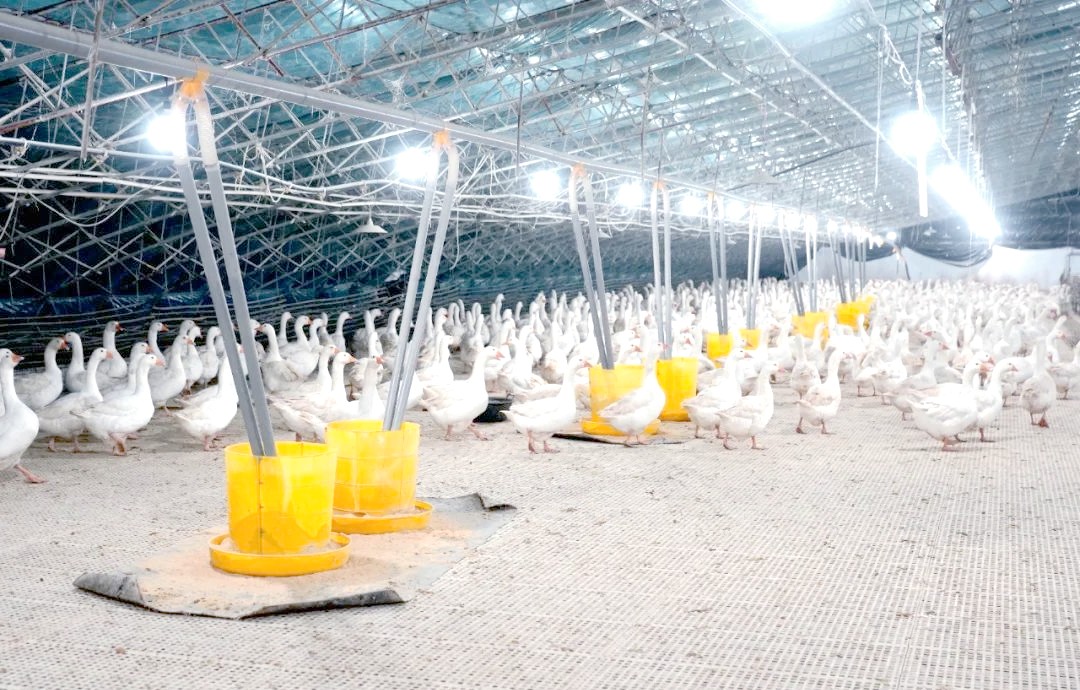
Ensure that poultry houses are well-ventilated and maintain humidity levels between 60% and 70%, thereby avoiding damp, cold conditions and excessive ammonia concentrations. Rationally control stocking density to ensure that poultry have ample space for movement, thereby promoting skeletal development and muscle growth. Minimize stressors—such as extreme temperature fluctuations, flock transfers, and beak trimming—and maintain a proper balance between thermal insulation and ventilation to reduce stress responses. Regularly inspect the legs of the poultry; promptly treat any injuries or trauma to prevent infections that could trigger "soft leg disease."
IV. Treatment Methods for Poultry Leg Weakness: AGOVEE Exclusive Products—Effective Disease Control and Loss Mitigation
Upon detecting affected birds, immediate isolation is essential to prevent the spread of the disease; furthermore, the underlying cause must be identified to facilitate targeted treatment. With extensive expertise in veterinary pharmaceutical R&D, AGOVEE has developed exclusive treatment products specifically tailored to the clinical characteristics of poultry leg weakness. When combined with scientifically validated practical protocols, these solutions deliver core results: rapid symptom alleviation, physiological recovery, and a reduction in mortality rates.
Core Advantages of AGOVEE Products for the Prevention and Control of Soft-Leg Disease in Poultry:
1. **Precise Targeting:** Employing a compound formulation, the product simultaneously addresses nutritional supplementation and pathogen inhibition. It not only rapidly replenishes essential nutrients—such as calcium, phosphorus, and vitamins—to repair bone and nerve damage, but also effectively inhibits pathogens such as bacteria and mycoplasma, demonstrating significant therapeutic efficacy against both nutrition-deficiency-induced and pathogen-infection-induced forms of soft-leg disease.
2. Rapid Onset of Action: The product possesses strong penetrative properties and is quickly absorbed by the body following administration via feed or drinking water. It alleviates symptoms of leg weakness in affected poultry within 24 hours, enables a return to standing and walking within 3 to 5 days, and leads to a complete recovery in approximately 7 days—thereby significantly shortening the treatment cycle and reducing mortality and culling rates.
3. Safe and Residue-Free: This product complies with veterinary drug safety standards, induces no drug resistance, and leaves no drug residues. It is suitable for use across all stages of poultry rearing—from chicks to growing birds and laying hens—without negatively impacting growth, development, egg-laying performance, or product quality. It can be used with complete confidence in both large-scale commercial farming and poultry production intended for export.
4. Dual Protection: While providing treatment, this solution simultaneously strengthens skeletal development and boosts the immune system of poultry. It replenishes intestinal probiotics to enhance nutrient absorption, thereby preventing disease recurrence and minimizing the reoccurrence of "soft leg" syndrome. By achieving a dual effect of "treatment + prevention," it effectively reduces overall rearing costs.
Clinical Management Protocol: Upon detecting affected birds, immediately isolate them. Select the appropriate AGOVEE veterinary medication—specifically formulated for poultry leg weakness—based on the underlying etiology. For cases stemming from nutritional deficiencies, use AGOVEE feed additives in conjunction with the medication to replenish nutrients and enhance absorption. For cases involving pathogenic infections, administer concurrent antibacterial and antiviral agents to inhibit pathogen proliferation. Throughout the treatment period (typically 3–7 consecutive days), ensure the affected birds have access to ample drinking water and easily digestible feed; administer electrolytes and multivitamins to alleviate stress; and intensify disinfection and ventilation within the poultry house. Extensive clinical trials conducted across numerous poultry farms have demonstrated that the use of AGOVEE products yields a cure rate exceeding 95% for affected birds. Furthermore, mortality rates among chicks are reduced to below 5%, while egg production rates in laying hens gradually recover—thereby effectively minimizing economic losses for producers and helping them achieve stable production and increased income.
Moving forward, AGOVEE will remain steadfastly focused on addressing critical pain points in poultry farming. By continuously iterating and upgrading our product formulations and technical services—and by aligning with global farming requirements—we will introduce a wider range of disease prevention and control products tailored to diverse operational scenarios. We are committed to joining forces with poultry farmers to fortify their biosecurity defenses, thereby driving the healthy, efficient, and sustainable development of the poultry industry.
Please give us a message