
Infectious Bronchitis (IB) in poultry is an acute and highly contagious respiratory disease caused by the Infectious Bronchitis Virus (IBV), which widely affects chickens, especially laying hens and broilers.
The disease not only causes respiratory symptoms, but may also cause decreased egg-laying performance and kidney damage, causing significant economic losses to the poultry farming industry.
This article will introduce in detail the etiology, symptoms, diagnosis, and scientific prevention and treatment options of infectious bronchitis in poultry to help farmers effectively deal with this disease.
Etiology of infectious bronchitis
Pathogen:
IBV belongs to the family of Coronaviruses (Coronaviridae) and is a single-strand positive-strand RNA virus. The virus has a variety of serotypes (such as M41, Conn, Ark, etc.) and genotypes, which increase the difficulty of prevention and control because of its variability.
Susceptible groups:
Chickens of all ages can be infected, but chicks and laying hens are particularly affected.
Infectious bronchitis (IB) is a highly contagious viral disease that affects chickens of all ages and types. The pathogenic organism is a single-stranded RNA virus of the coronavirus family, which mainly affects chickens. It affects the upper respiratory tract, the reproductive tract of female chickens, and some strains cause nephritis. Different serotypes and genetic types of viruses have been identified all over the world, and in most cases there is no cross-protection. The virus is present in commercial chickens and backyard chickens. Recently, IBV and IBV-like strains have been found in poultry other than chickens, such as geese, ducks and pigeons, and may also play a role in the spread of IBV strains around the world.
How infectious bronchitis spreads
This disease is spread by infection with droplets in the air, from poultry to poultry. Although the frequency of airborne transmission is not known, there is some evidence of transmission exceeding 1Km.
The virus may also be spread through contaminated materials and equipment, as well as feces.
The place where the eggs are laid may lead to the excretion of the virus, which may have previously been dormant in the host poultry.
The occurrence of infectious bronchitis may also be related to an increased risk of feather pecking in free-range systems.
Clinical symptoms of infectious bronchitis
Chicks are the most affected, although all age groups are susceptible.
1.Respiratory symptoms
a. Coughing, wheezing, and nasal secretions increase.
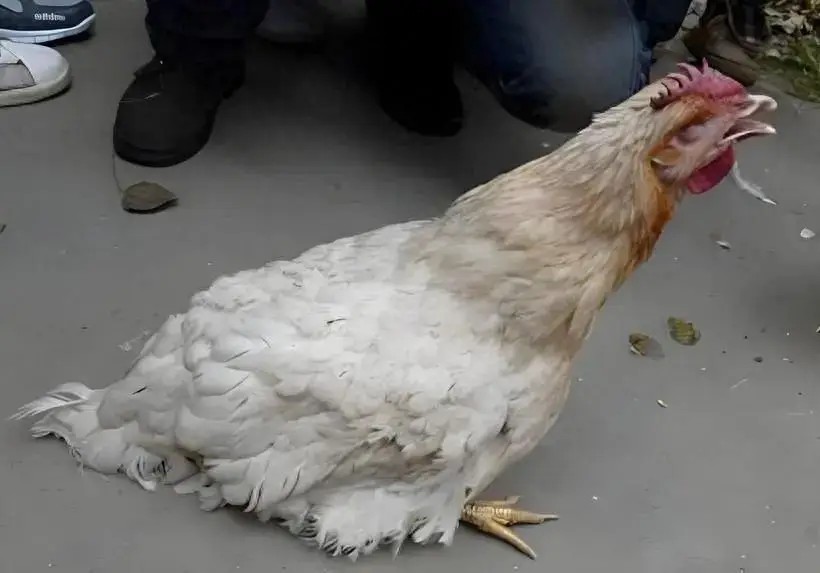
b. Open the mouth and breathe, accompanied by a “cackle” or wet sound.
c. Conjunctivitis, tears or moistness around the eyes.
2.Production performance degradation
a. Laying hens: the egg production rate decreases (up to 20%-50%), and the quality of the eggshell deteriorates (such as thin shells, soft shells, and deformed eggs).
b. Broilers: the growth rate slows down and the feed conversion rate decreases.
3.Kidney type symptoms
(Some strains) Urate deposits, manifested as “spotted kidney”, accompanied by dehydration and mental malaise.
4.Secondary infection
If E. coli or mycoplasma infection is secondary, it may worsen the condition and lead to an increase in the mortality rate (ranging from 5% to 30%).
The course of the disease is usually 7-14 days, but the virus can lurk for a long time, increasing the risk of recurrence.
Preventive measures for infectious bronchitis
The live attenuated vaccine used to immunize IBV can produce mild respiratory signs. These vaccines are initially applied to chicks between 1 and 14 days old by spray, drinking water or eye drops, and breeders usually re-inoculate chickens about 2 weeks after the initial vaccination. Re-vaccination with different serotypes can induce broader protection. Live attenuated vaccines or inactivated adjuvant vaccines can be used by breeders to prevent egg loss and to pass protective maternal antibodies to offspring.
Treatment Plan
Tylosin + Doxycycline: To control secondary bacterial infections (such as mycoplasma and Escherichia coli), administer via drinking water (tylosin 25 mg/L + doxycycline 20 mg/L, for 5 consecutive days).
Aminophylline or bromhexine oral solution: Add antipyretics (paracetamol), antivirals (Xinrujing, Antiviral No. 8), and boost immunity.
1)Anti-stress and immune enhancement
Vitamins relieve stress and promote recovery.Astragalus polysaccharide (0.2g/L drinking water): enhances immunity and inhibits viral replication.
(2)Kidney protection (for renal type IB)
Reduce dietary protein (≤16%) to decrease urate deposition.
Sodium bicarbonate (0.1%~0.2% in drinking water): Alkalizes urine and alleviates kidney swelling.
Please give us a message