
While chickens tolerate cold weather surprisingly well if kept dry and well-ventilated, outbreaks of respiratory disease spike in autumn and winter. Seasonal cold stress triggers a cascade of physiological and environmental risk factors – elevated stress hormones, suppressed immunity, virus survival in chillier air, and flock management challenges – that make chickens vulnerable to “colds” (respiratory infections). This article explains six stages of poultry respiratory illness progression and details evidence-based causes – from cold-induced immunosuppression to poor ventilation and overcrowding. We outline six practical early-control steps and show how Agovee’s nutritional products (e.g. RespiLife, Electrolyte+Vitamin C) can be integrated at each step to bolster poultry health. Agovee’s feed-additive supplements support immune function and recovery without overpromising a cure. By following these measures and leveraging Agovee’s solutions, farmers can greatly reduce the winter respiratory disease burden and safeguard flock productivity.
Why Autumn and Winter Are Tough on Chicken Respiratory Health
As days shorten and temperatures fall, poultry face unique challenges. Contrary to myth, cold per se is usually not fatal if birds are dry and not drafted, but winter humidity and stress are key triggers of disease. Research shows prolonged cold stress elevates corticosterone, reallocating energy to warmth at the expense of immunity. In cold weather chickens eat more just to maintain heat, leaving fewer resources for defense. Stress hormones rise and both cellular and antibody responses are weakened. Low temperatures also reduce mucous secretion and ciliary action in the respiratory tract, so inhaled viruses and bacteria lodge more easily. In effect, chillier barns become breeding grounds for pathogens, and even moderate pathogen exposure can cause severe outbreaks when flocks are cold-stressed.
Recent veterinary reviews confirm that respiratory diseases become more prevalent in colder months. Common threats – avian influenza (AI), Newcastle disease (ND), infectious bronchitis (IB) and mycoplasma – can persist longer in winter’s cool, damp air, and cold-density factors (like co-mingling under heat lamps) accelerate transmission. For example, AI viruses survive longer in low temps, leading to rapid flock spread. Thus, even hardy poultry health depends on anticipating the immunological cost of cold weather: more energy spent on thermoregulation means less available for disease resistance.
Key Environmental and Management Drivers
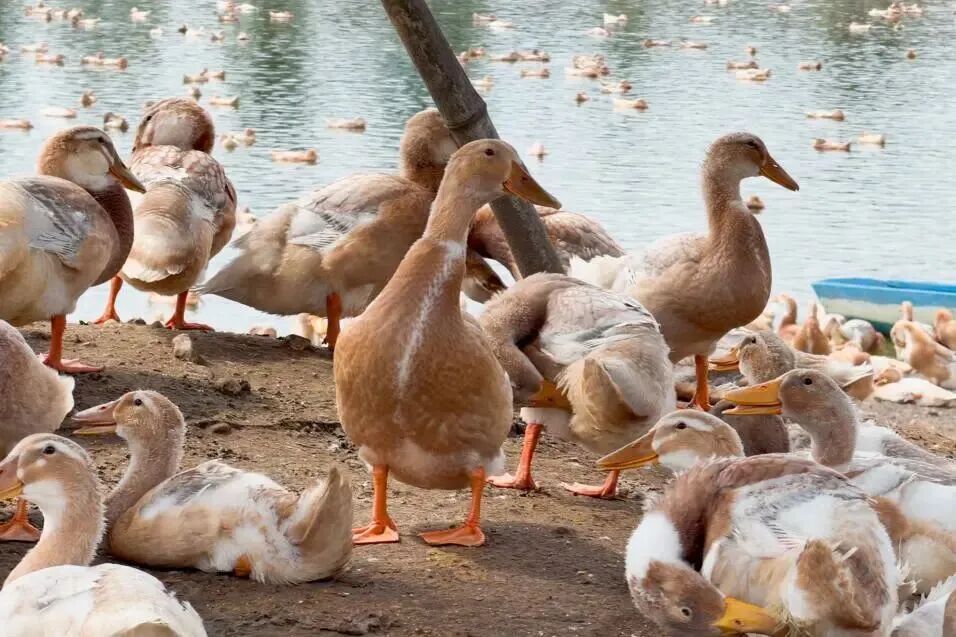
Beyond physiology, environmental conditions in fall/winter can spark respiratory problems. An airtight coop without fresh air causes dust and harmful gases (ammonia, CO₂) to accumulate. Ammonia and moisture irritate mucous membranes, leading to sneezing and coughing. Overcrowding compounds this: high stocking density spreads pathogens faster and can dry out air too much, damaging chick respiratory linings. Ventilation is a delicate balance – too little air raises ammonia; too much creates chilling drafts. In fact, poultry experts note that dampness and drafts, not cold itself, are usually the biggest problems in winter housing.
Other management factors also play a role. Poor nutrition in cold spells (inadequate energy or minerals) means birds cannot fuel extra heat production. Sudden temperature swings (like a heater failure) can cold-shock flocks, triggering initial sneezes and stress coughing. Even well-meant sanitation can backfire: harsh disinfectants or aerosolized cleaning chemicals may irritate airways. Vaccine administration itself can transiently stress birds, causing mild respiratory signs if protocols are not carefully followed. Finally, hidden immunosuppressive diseases (like infectious bursal disease or Marek’s disease) weaken flock immunity year-round, but their impact is amplified when cold stress occurs.
In short, outbreaks in autumn/winter are rarely due to a single virus. They usually involve complex interactions of cold stress, poor ventilation, crowding, and opportunistic pathogens. Controlling these factors is essential to keep chicken respiratory health robust.
Six Stages of Poultry Respiratory Disease Progression
Respiratory disease in poultry typically unfolds in stages, from initial infection to ultimate outcome:
- Stage 1: Exposure & Infection. Birds inhale airborne pathogens (viruses or bacteria) from another sick bird or contaminated environment. Early infection is often subclinical. However, stressors like cold and dust have already primed the flock, so pathogens face fewer defenses. In a cold snap, chickens huddle and breathe more heavily, helping spread airborne viruses.
- Stage 2: Prodromal Stage (Mild Symptoms). In the first few days, subtle signs appear. Affected birds may sneeze or snort and show clear nasal discharge or mild watery eyes. Feed intake may drop slightly, and birds look off-color but may still eat. These are often mistaken for transient chill reactions. Importantly, this stage is the best time for intervention.
- Stage 3: Acute Respiratory Illness. Within 2–5 days the illness escalates. Chickens develop clinical respiratory disease: open-mouth breathing, persistent coughing or wheezing, conjunctivitis, and labored breathing. Fevers can occur. Egg production in layers dips. For example, in chronic respiratory disease (CRD) from Mycoplasma, infected chickens show nasal discharge, sneezing, and swollen sinuses. Infectious bronchitis causes intense coughing and sneezing, sometimes with blood-tinged mucus. Birds may hunch and become lethargic.
- Stage 4: Complications & Secondary Infections. If untreated, secondary pathogens often follow. Damaged airways and weakened immunity allow bacteria (like E. coli) to invade the lungs, causing pneumonia and further morbidity. Mortality may rise. Pet ducks, for instance, often die in this stage with cyanotic heads or green diarrhea if HPAI strikes. In chronic cases, thick tracheal plugs form, making breathing very difficult. This stage sees most losses if the flock isn’t managed intensively.
- Stage 5: Recovery or Chronic Impact. Birds that survive begin to recover, but they often do so slowly. Immune rebuilding takes time and growth is stunted. Egg layers have prolonged production losses. Scarring in lungs or kidney damage from IB may have occurred. Flock uniformity suffers. Some birds become chronic carriers, or their productivity never fully recovers. Nevertheless, with supportive care, many birds will clear infections.
- Stage 6: Outcome & Lessons. The flock outcome is either recovery with lower performance or persistent losses. Mortality usually stops once surviving birds either gain immunity (or the flock is culled). In any case, this cycle reveals management gaps. A successful outcome depends on how quickly farmers intervened and what prophylaxis was in place.
In practice, this six-stage model is a guideline. Key symptoms – sneezing, nasal discharge, coughing, fever, lethargy – were documented in multiple sources. Importantly, each stage has intervention points. By monitoring birds closely (e.g. daily checks for sneezing or ruffled feathers) and responding promptly, farmers can prevent progression from Stage 2 into the dangerous Stages 3–4.
Six Key Prevention and Early-Control Steps
Preventing respiratory outbreaks requires action before the first cough. The following six steps summarize evidence-based practices:
Optimize Housing Environment. Ensure coops are dry, warm, and draft-free. Insulate roofs and walls and repair gaps. Remove wet bedding daily and replace with fresh dry litter to avoid dampness. Ventilation is crucial – allow rising warm air to escape at roof level, but avoid cold drafts at bird height. Controlling humidity (using Stalosan F or other bedding additives) can reduce airborne microbes. In sum, keep birds warm without suffocating them; comfort and air quality are top priorities in winter.
Implement Strict Biosecurity. Limit flock exposure to new birds and wild fowl (especially waterfowl that carry avian flu). Provide clean footbaths at coop entrances and disinfect equipment (use non-irritating poultry-safe products). Avoid introducing respiratory pathogens via contaminated feed or water. Since crowding can amplify outbreaks, maintain proper stocking density. Segregate young chicks from older birds. These measures prevent pathogens from entering and spreading among the flock.
Ensure Balanced Nutrition and Regular Vaccination. Feed a high-quality diet rich in energy, proteins, vitamins, and minerals during autumn/winter, as birds burn extra calories for heat. Consider a grower mash or higher-energy pellet. Supplement with vitamins A, D, E, K, C and trace elements (selenium, zinc) to strengthen immune function. Maintain all routine vaccinations on schedule (e.g. for ND, IB, IBD) following veterinary guidance. Be aware that vaccines themselves can stress birds; use Agovee RespiLife or similar supplements (see below) to offset vaccine reactions. Good nutrition and immunity are frontline defenses.
Minimize Stress. Cold, crowding, and handling stress impair health. Avoid overcrowding flocks or mixing breeds/batches in fall. Gradually acclimate birds to cooler nights rather than abrupt drops. Continue regular routines (feeding, handling) to reduce chaos. Ensure ample clean water (thaw frozen drinkers quickly). Each stressor (transport, vaccination, high humidity) should be followed by extra care. Enrich environment if possible (perches, dust baths) to keep birds calm.
Use Nutritional Support Supplements. Provide water-soluble vitamins and electrolytes during stress. For example, add a multivitamin/electrolyte mix to drinking water around the first cold nights or after vaccines. Replenishing electrolytes prevents dehydration and metabolic imbalance. Antioxidants (vitamin C, E, selenium) combat cold-induced oxidative stress. Supplements like probiotics can also bolster gut health, which influences respiratory immunity. These measures speed recovery from minor infections and raise overall resilience.
Monitor Closely & Act Fast. Inspect your flock daily for any respiratory signs (sneezing, nasal discharge, ‘gaping’ cough). At the first hint of an outbreak, isolate affected birds to a quarantine coop. Call a veterinarian if multiple birds show symptoms. Early administration of supportive therapies (e.g. nebulized saltwater, vitamin supplements) can prevent progression. Do not wait for severe stage 3 or 4 symptoms; catching infections in stage 2 yields much better outcomes. After any outbreak, thoroughly clean and disinfect housing before restocking and review preventive practices.
These steps reflect an “all-in-one” management approach supported by research: studies emphasize that environmental control, nutrition, and stress reduction are as important as any medicine in autumn/winter poultry health. The key is acting early—address the triggers of stage 1 and 2 to stop a full-blown outbreak.
Integrating Agovee Products into the Prevention Workflow
Agovee offers a range of nutritional supplements that complement the above steps. Integrating these products helps fortify chickens’ defenses without overpromising cures. Relevant Agovee solutions include:
Agovee RespiLife (1 ml/8 L water) – A respiratory support additive formulated to strengthen respiratory defenses and alleviate symptoms. RespiLife “prevents respiratory problems, especially bronchial plugs” and enhances lung function. It is indicated for treatment of chronic lung infections and can counteract reactions from IB/ND vaccines. By boosting mucosal immunity, RespiLife fits step 3 (immune support) and step 5 (supportive care), helping chickens clear early-stage bronchitis or influenza.
Agovee Electrolyte + Vitamin C (1 L/2000 L water) – This water supplement is ideal during stress events (cold spells, vaccinations). It “regulates electrolyte balance” and “enhances immunity, promotes recovery after illness, and improves survival rate”. In practice, use it around the first frost nights or during “overwintering” to prevent dehydration and nutrient gaps. Electrolyte+Vit C aligns with step 5 (supplement support) by reducing vaccine or cold stress and shortening recovery.
Agovee Ultra C (1 g/20 L water) – A pure vitamin C powder to eliminate deficiency and boost antioxidant status. Cold stress increases oxidative damage, so supplementing vitamin C helps maintain immunity. Use Ultra C during peak cold days or illness for an extra immune lift (step 3–4).
Agovee ADEK+C (dosage unspecified) – A fat-soluble vitamin formula with vitamins A, D, E, K plus C, to cover multiple nutritional bases. These vitamins support mucosal health, bone strength (vitamin D), antioxidant defense (E, C), and growth. ADEK+C can be added to feed or water as a routine preventive (step 2–3) when nutritional demands rise.
Agovee Zevital Plus (dosage unspecified) – A selenium-vitamin E supplement to further bolster antioxidant capacity. Selenium deficiency is linked to poor immunity. Zevital fits into a winter feeding program (step 2) by protecting cells from cold-induced oxidative stress.
Agovee Respiment (1 ml/2–4 L water) – A mucolytic expectorant for when disease strikes. Respiment liquefies thick respiratory mucus and aids antibiotic efficacy. It is recommended only under veterinary guidance if signs progress to stage 3/4 pneumonia (step 4). Dosage is 1 ml per 2–4 L water for 3–5 days. As a supportive therapy, it helps birds expel plugs and recover breathing after infection has set in.
Agovee PulmoFlux (1 ml/2 L water) – For confirmed serious infections (CRD, ND, IB, avian flu), PulmoFlux delivers an antibacterial (enrofloxacin) plus bronchodilators and expectorants. This is a prescription-level intervention (step 4) and should be used only when veterinary diagnosis justifies it. PulmoFlux’s components (fluoroquinolone antibiotic and mucolytic agents) can halt advanced respiratory disease if used responsibly.
Additional Agovee products – Multivitamins (Vitamino Plus), probiotics, and immune modulators (e.g. Lysoimmune) can be part of a holistic strategy. For example, Vitamino Plus provides a broad vitamin blend for growth, while Lysoimmune supports gut health (indirectly boosting immunity). Dosages vary by product and should follow label instructions or vet advice.
Each Agovee product is formulated as a feed additive or supplement, not a human medicine. By integrating these products judiciously at the steps above, poultry managers create multiple lines of defense: nutritional (“internal vaccines”) and environmental. However, it’s crucial to emphasize that supplements support but do not replace proper biosecurity, vaccination, and veterinary care.
Conclusion & Call to Action
Poultry flocks are resilient, but not invincible to seasonal challenges. Understanding the interplay of cold stress, ventilation, management and pathogens can turn the tide against autumn-winter respiratory disease. By following the six preventive steps above and integrating Agovee’s nutritional solutions (such as RespiLife, Ultra C, Electrolyte+VitC, etc.), farmers and vets can dramatically reduce disease incidence and losses. Agovee partners with producers worldwide to enhance poultry health through science-backed feed additives. Take action now: prepare your coop, enrich your feed, and contact an Agovee specialist to tailor a preventive program for your operation. Healthy chickens through winter means better productivity and peace of mind all year round.
Please give us a message