
In the context of large-scale swine farming, the prevention and control of infectious diseases remains the pivotal factor determining the success or failure of operations.
Porcine Reproductive and Respiratory Syndrome (PRRS)—commonly known as "Blue Ear Disease"—is a highly virulent infectious disease that poses a global threat to the swine industry; characterized by its rapid transmission, resistance to eradication, and high pathogenicity, it consistently inflicts severe economic losses upon pig farms year after year.
Deeply rooted in the field of veterinary pharmaceuticals and livestock health, AGOVEE focuses on addressing the critical pain points associated with disease prevention and control in pig farms. To this end, the company has developed specialized prevention and control protocols specifically targeting PRRS, empowering livestock producers to precisely combat viral invasions, fortify the biosecurity defenses of their farms, and stabilize their farming revenues.
I. The Multifaceted Dangers of Porcine Reproductive and Respiratory Syndrome (PRRS): The "Invisible Killer" of Pig Farms
Porcine Reproductive and Respiratory Syndrome (PRRS)—commonly known as "Porcine Blue Ear Disease"—is a highly contagious disease caused by the PRRS virus. Swine of all ages and breeds are susceptible to infection; moreover, the virus is prone to mutation and readily establishes persistent infections. Once an outbreak occurs on a farm, eradication proves extremely difficult, and the disease poses a threat throughout the entire swine production cycle.
In breeding sows, infection with Porcine Reproductive and Respiratory Syndrome (PRRS) leads to severe reproductive disorders, manifesting as abortions, stillbirths, mummified fetuses, and a skyrocketing rate of weak piglets. Furthermore, some sows suffer from agalactia (lack of milk production) and estrus irregularities post-farrowing—or even lose their reproductive capacity entirely—thereby directly compromising the farm's breeding productivity. As for piglets—particularly neonates and weanlings—infection results in an extremely high mortality rate, potentially exceeding 80%; surviving piglets often exhibit stunted growth and compromised immunity, becoming "stunted pigs" (runts), which drastically reduces the overall survival rate within the herd.
In finishing pigs, infection manifests as respiratory symptoms, a precipitous drop in feed intake, and stunted growth. Furthermore, it renders them highly susceptible to secondary mixed infections—such as *Mycoplasma* pneumonia, *Haemophilus parasuis* disease, and streptococcal infections—thereby increasing medication costs, prolonging the time to market, and severely eroding the pig farm's profit margins.
Furthermore, the Porcine Reproductive and Respiratory Syndrome Virus (PRRSV) can be transmitted through multiple routes—including air, feces, semen, personnel, and vehicles—rapidly spreading throughout an entire herd within a short period. This leads to persistent infections within swine farms, resulting in recurrent disease outbreaks and emerging as a major, intractable challenge hindering the healthy development of the swine industry.
Furthermore, the Porcine Reproductive and Respiratory Syndrome Virus (PRRSV) can be transmitted through multiple routes—including air, feces, semen, personnel, and vehicles—rapidly spreading throughout an entire herd within a short period. This leads to persistent infections within swine farms, resulting in recurrent disease outbreaks and emerging as a major, intractable challenge hindering the healthy development of the swine industry.
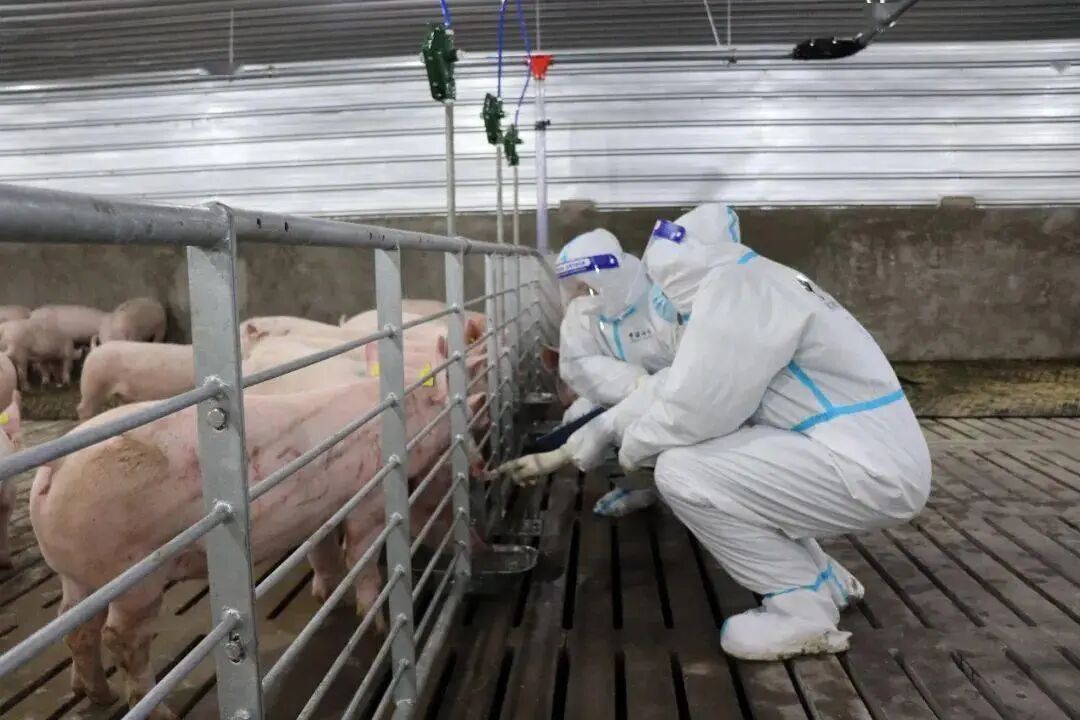
II. Clinical Symptoms of Porcine Reproductive and Respiratory Syndrome (PRRS): Group-based Differentiation and Precise Identification
The clinical symptoms of Porcine Reproductive and Respiratory Syndrome (PRRS) vary depending on the age, constitution, and viral strain virulence of the pigs; however, the core symptoms center on reproductive disorders and respiratory issues. Farmers can quickly identify the disease based on the following manifestations, thereby avoiding misdiagnosis and preventing delays in implementing control and prevention measures.
1. Symptoms in Breeding Sows
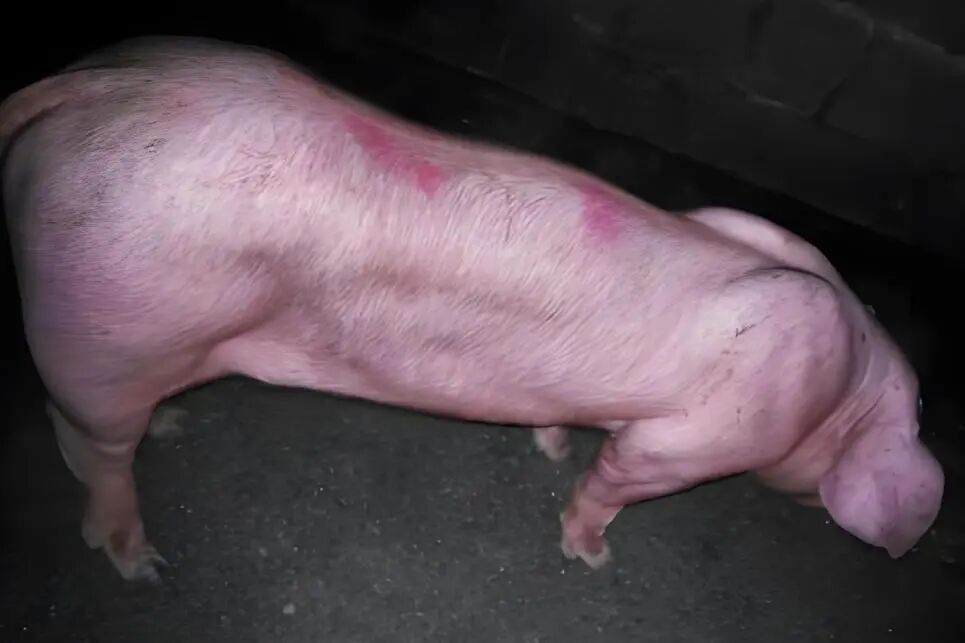
Pregnant sows experience a sudden onset of high fever, lethargy, and complete loss of appetite. During the late stages of gestation, there is a concentrated occurrence of miscarriages, resulting in the delivery of stillborns, weak piglets, or mummified fetuses. Postpartum sows exhibit reduced milk production and mammary edema; in some cases, cyanosis (a bluish-purple discoloration) appears on the skin of the ears, abdomen, and vulva—constituting the typical characteristics of "Blue Ear Disease"—accompanied by issues such as recurrent estrus and breeding failures.
2. Symptoms in Piglets
Newborn piglets appear weak and unable to nurse; they rapidly develop respiratory symptoms—including labored breathing, abdominal breathing, coughing, and sneezing—accompanied by diarrhea, vomiting, and elevated body temperature. Their ear tips and extremities turn purple, and mortality rates remain persistently high. After infection, weaned piglets exhibit emaciation, a rough and disheveled coat, and persistent coughing and wheezing; they are highly susceptible to secondary infections, and their recovery rate is low.
3. Symptoms in Finishing Pigs and Boars
Symptoms in finishing pigs are relatively mild, primarily manifesting as respiratory distress characterized by coughing, wheezing, reduced feed intake, and slowed growth; a small number of cases also present with skin cyanosis. Following infection, boars exhibit a decline in semen quality, reduced sperm motility, and an increased incidence of oligospermia and dead sperm. This not only impairs breeding efficiency but also facilitates the transmission of the virus via semen, thereby expanding the scope of infection.
III. Treatment Protocol for Porcine Reproductive and Respiratory Syndrome (PRRS): AGOVEE Exclusive Products—Highly Effective Disease Control and Loss Mitigation
Given the characteristics of Porcine Reproductive and Respiratory Syndrome Virus (PRRSV)—specifically its high mutation rate and frequent occurrence in co-infections—the indiscriminate use of medication yields negligible therapeutic results while simultaneously placing undue strain on the pigs' liver and kidneys and fostering drug resistance. AGOVEE, deeply committed to the field of veterinary pharmaceutical R&D, has developed specialized therapeutic products specifically tailored for the prevention and control of PRRSV. When combined with a scientifically formulated treatment regimen, these solutions rapidly alleviate symptoms, reduce mortality rates, and restore the overall health of the swine herd.
1. Potent Antiviral Action: Formulated with precise targeting capabilities, it rapidly inhibits the replication and spread of the Porcine Reproductive and Respiratory Syndrome (PRRS) virus,
thereby blocking viral damage to the respiratory and reproductive systems of pigs. Post-administration, it quickly reduces fever, alleviates coughing and wheezing, and stimulates appetite in sick animals.
2. Prevention of Secondary Infections: Combining antibacterial and anti-inflammatory properties with heat-clearing and detoxifying effects,
it effectively prevents common secondary infections—such as those caused by *Mycoplasma* and *Haemophilus parasuis*—and reduces the mortality risk associated with co-infections.
3. Liver and Kidney Protection; Constitution Strengthening: Enriched with tissue-repair factors, it mitigates organ damage caused by viral infections and medication use,
while boosting the herd's overall immunity. It aids weak piglets and stunted growers in rapidly resuming growth and development, thereby shortening the time required to reach market weight.
4. Safe and Residue-Free: Compliant with veterinary drug safety standards, this product poses no risk of drug resistance or withdrawal period complications.
It is suitable for use across all stages of swine production—including sows, piglets, and finishing pigs—without negatively impacting reproductive performance or meat quality.
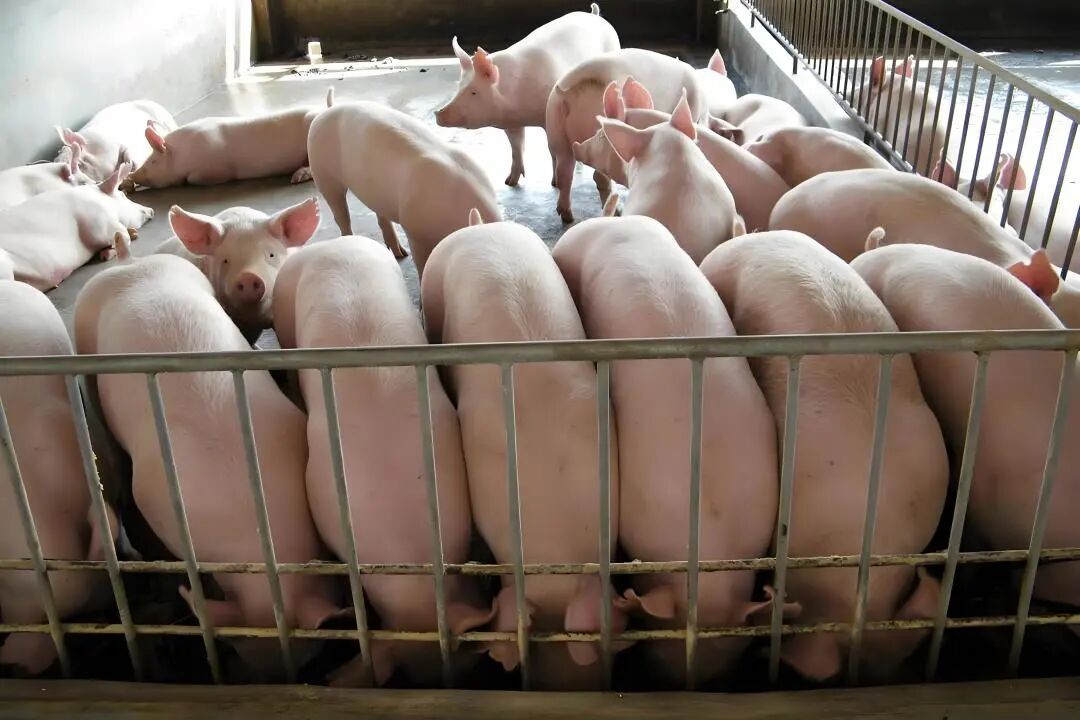
IV. AGOVEE: Focusing on Swine Health—A Solid Pillar for Disease Prevention and Control in Pig Farms
The prevention and control of Porcine Reproductive and Respiratory Syndrome (PRRS)—commonly known as "Blue Ear Disease"—is pivotal to the long-term sustainability of pig farms. Only through scientific prevention, precise treatment, and continuous eradication efforts can farms effectively withstand viral invasions. Upholding its core philosophy of "safeguarding livestock health and empowering efficient farming," AGOVEE remains deeply committed to the field of swine disease prevention and control. By continuously refining and upgrading its product formulations, the company offers comprehensive, one-stop solutions for a wide spectrum of swine diseases. Through professional-grade products and high-quality services, AGOVEE empowers farmers to overcome the complex challenges of PRRS control, thereby ensuring stable production and increased income.
Looking ahead, AGOVEE will continue to focus on addressing the critical pain points facing the swine industry. By deepening its expertise in veterinary drug R&D and technical services, the company aims to join forces with farmers to fortify disease prevention defenses, thereby driving the healthy, efficient, and sustainable development of the entire swine farming sector.
Please give us a message