
With the arrival of the Summer Solstice, global pig-raising regions enter a high-risk breeding season characterized by extreme high temperature and high humidity superposition. Intensive and pastoral pig farms in Southeast Asia, North America, and tropical Africa are facing a severe outbreak of multiple concurrent swine diseases. Seasonal heatwaves, continuous rainfall, muggy barn environments and rampant mosquito vectors create a perfect breeding ground for viruses, bacteria and parasites. Heat stress suppresses pig immunity, triggering mixed infections of respiratory diseases, intestinal diarrhea, reproductive disorders and blood parasitic diseases, which cause massive feed waste, reduced litter size, increased culling rate and huge economic losses for global pig enterprises. As a professional global swine health nutrition brand focusing on tropical and subtropical breeding scenarios, Agovee analyzes regional epidemic characteristics of summer swine diseases in three core regions and launches targeted comprehensive prevention solutions to help farms effectively block seasonal disease outbreaks and stabilize herd production performance.
Regional Swine Disease Epidemic Characteristics Across Three Global Core Breeding Regions
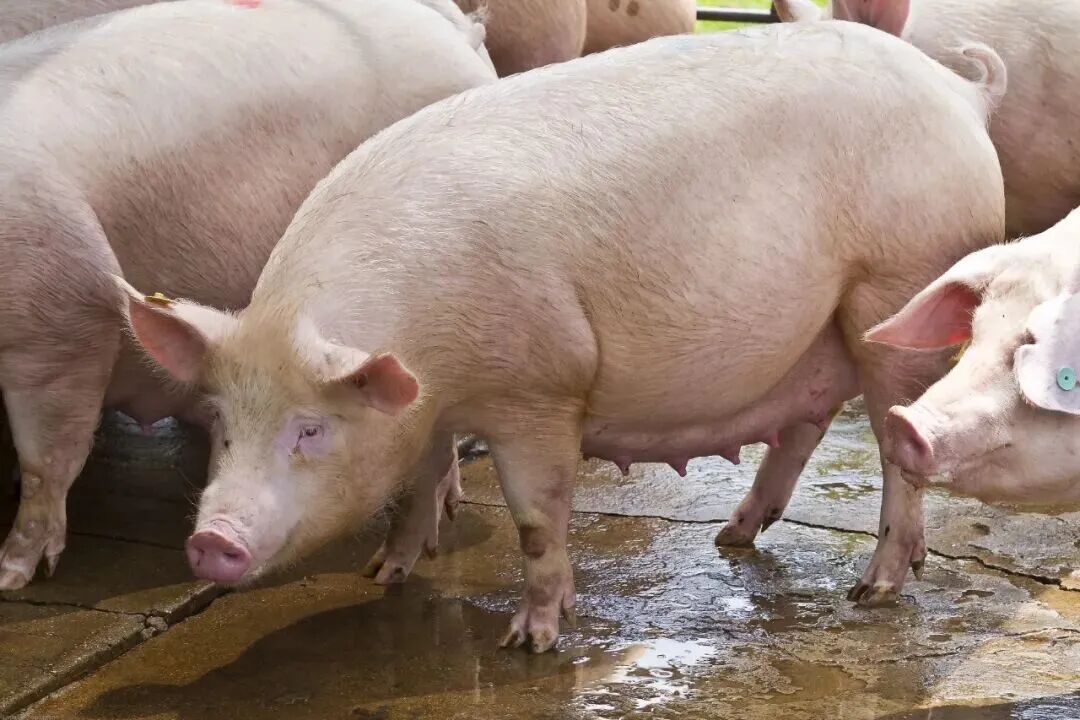
Core Causes of Multiple Concurrent Diseases in Summer Global Pig Farms
Based on long-term field tracking and global swine epidemic data analysis, Agovee technical team summarizes three fundamental reasons for the simultaneous high incidence of various swine diseases in Summer Solstice season, which are common pain points troubling global pig farms:
1. Heat Stress Suppresses Herd Immunity, Triggering Mixed Infections
Pigs have low sweat gland density and poor natural heat dissipation ability. Under continuous high temperature and humidity, pig herds secrete a large amount of stress cortisol, which inhibits the proliferation of immune cells and reduces antibody levels. The overall immunity of the herd drops sharply, making susceptible to latent viral and bacterial pathogens in the barn. Low immunity turns mild single infection into severe mixed infection, leading to difficult disease treatment and high recurrence rate.
2. High Temperature & Humidity Accelerates Pathogen Reproduction and Transmission
Muggy summer environment greatly prolongs the survival time of circovirus and PRRS virus in the barn, while rapidly breeding harmful bacteria such as Haemophilus parasuis and Salmonella. Meanwhile, high temperature activates the activity of mosquito and fly vectors, accelerating the spread of blood parasitic diseases. The superposition of multiple pathogens creates a comprehensive epidemic pressure on pig herds.
3. Mycotoxin Pollution Damages Intestinal and Immune Barriers
Summer high humidity easily causes feed and raw material mildew. Aflatoxin and fusarium toxin damage the intestinal mucosal barrier of pigs, reduce nutrient absorption efficiency, and cause chronic poisoning and immune dysfunction. Pig herds with damaged intestinal barriers have poor disease resistance, which further increases the risk of intestinal and systemic diseases.
Limitations of Traditional Summer Swine Disease Prevention Modes
Most global pig farms still adopt traditional passive prevention methods in summer, including increasing disinfection frequency, strengthening ventilation and cooling, and adding antibiotics casually. These methods have obvious bottlenecks and cannot fundamentally solve seasonal disease problems. Excessive disinfection destroys the balanced microecological environment of the barn and increases breeding costs. Single physical cooling cannot improve the internal immune and metabolic disorders of pig herds. Blind antibiotic use easily causes drug resistance, intestinal flora imbalance and pork drug residue problems, failing to form long-term stable disease prevention effects.
In response to the industry-wide dilemma of difficult prevention and control of multiple swine diseases in summer, Agovee relies on global swine nutrition R&D experience and regional farm verification, launching a targeted summer swine immune protection and disease prevention system, which integrates anti-heat stress, mycotoxin removal, immune enhancement and intestinal protection to solve the root cause of seasonal multiple diseases for pig farms in Africa, North America and Southeast Asia.
Core Efficacy of Agovee Summer Swine Anti-Disease & Anti-Stress Products
All Agovee summer special swine nutrition products pass EU feed safety certification and meet North American and African livestock breeding standards, with zero hormones, zero banned additives and high temperature resistance. The formula is customized for global high-temperature and high-humidity breeding scenarios, adapting to the epidemic characteristics of three major regions, with multiple verified core efficacies:
Relieve heat stress and restore herd physiological balance:
Rich in microencapsulated high-activity vitamins, buffered compound electrolytes and natural plant anti-stress extracts, it can rapidly reduce pig blood cortisol levels, relieve panting, lethargy and poor appetite caused by high temperature, stabilize body temperature and vital signs, and eliminate the underlying immune decline caused by heat stress.
Enhance systemic immunity to resist mixed infections:
Unique immune active factor formula activates lymphocyte proliferation, improves herd antibody titer and disease resistance, effectively resists mixed infections of viruses and bacteria such as PRRS, circovirus and Haemophilus parasuis, and reduces the incidence of respiratory mixed diseases by more than 30%.
Repair intestinal barrier and block intestinal diseases:
Compound probiotics and plant essential oil complexes repair mycotoxin-damaged intestinal mucosa, balance intestinal flora, inhibit Salmonella and E. coli reproduction, significantly reduce summer piglet diarrhea and finishing pig enteritis incidence, and improve feed digestion and absorption efficiency.
Degrade mycotoxins and eliminate hidden breeding dangers:
Efficient mycotoxin adsorption and degradation factors target summer moldy feed hazards, remove aflatoxin and fusarium toxin residues in feed, avoid chronic toxin damage to pig herds, and stabilize the health foundation of pig herds in high-humidity seasons.
Optimize sow reproductive performance:
Improve ovarian and uterine metabolic environment of breeding sows, reduce the incidence of summer MMA syndrome, decrease stillbirth and weak piglet rate caused by heat stress and infection, and effectively improve sow litter size and postpartum lactation performance.
Adapt to multi-regional breeding scenarios:
The high-temperature stable formula is suitable for intensive barn breeding in North America, rainy humid breeding in Southeast Asia and pastoral free-range breeding in Africa, with low dosage, convenient use and no extra breeding burden.
Global Multi-Regional Farm Trial Verified Data
North America (USA) intensive farm trial:
After using Agovee summer special products, the herd respiratory disease incidence decreased by 32%, sow abnormal abortion rate decreased by 28%, feed conversion ratio improved by 0.21, and seasonal breeding profit increased significantly.
Southeast Asia (Vietnam) large-scale pig farm trial:
The piglet diarrhea cure rate increased by 40%, the recurrence rate of mixed infections was close to zero, and the daily weight gain of finishing pigs increased by 16% compared with the control group, effectively solving the problem of slow growth in rainy and hot seasons.
Africa (Nigeria) pastoral pig farm trial:
The incidence of parasitic and bacterial skin diseases decreased by 35%, the acute heat stress mortality rate dropped to zero, and the overall healthy survival rate of the herd was greatly improved.
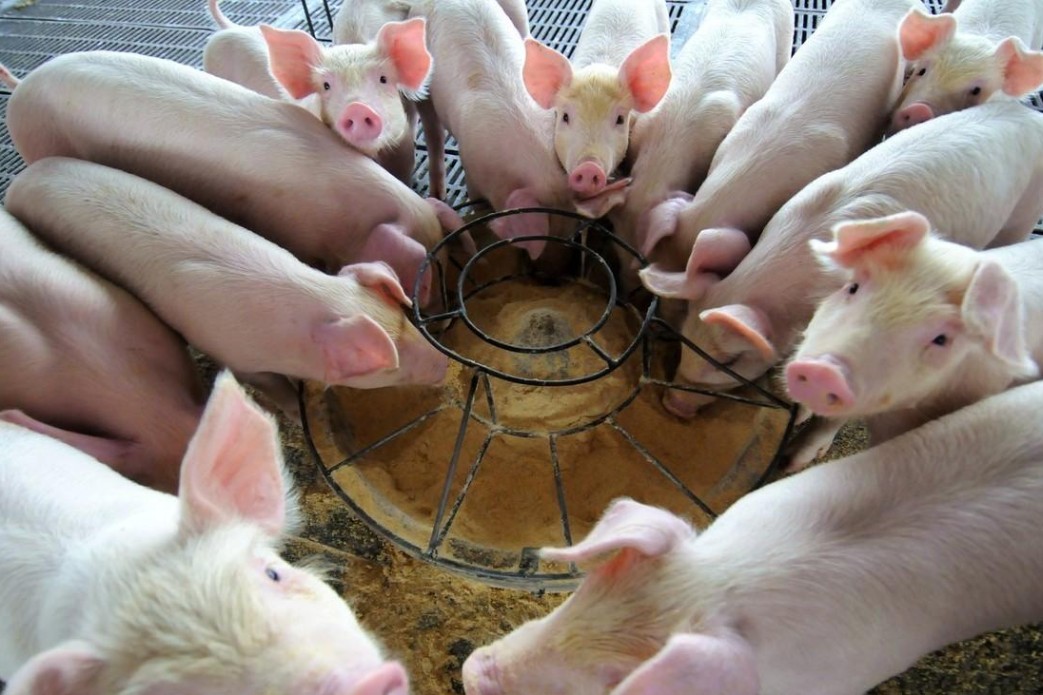
Global Multi-Regional Farm Trial Verified Data
From May to July 2026, Agovee technical team carried out controlled feeding trials on commercial pig farms in the United States, Vietnam and Nigeria, covering the three major core breeding regions, under seasonal high temperature and high humidity environment. The trial results are authentic and authoritative:
Agovee Global Localized Technical Services
To adapt to the differentiated breeding needs of different regions, Agovee provides localized summer epidemic prevention solutions for pig farms in Africa, North America and Southeast Asia, including seasonal epidemic risk assessment, targeted product dosage guidance, barn environmental optimization suggestions and whole-cycle herd health management plans. The products support feed mixing and drinking water dilution dual usage, suitable for all types of pig breeding modes, helping global farmers easily pass the high-incidence disease season.
Conclusion: Nutritional Immunity Intervention Is The Key To Summer Swine Disease Prevention
Please give us a message