
I. The Deadly Threat of African Foot-and-Mouth Disease in Cattle and Sheep: Sweeping Through Herds and Devastating the Livestock Industry
The threat posed by Foot-and-Mouth Disease (FMD) in African cattle and small ruminants far exceeds that of ordinary infectious diseases; characterized by rapid transmission, a wide geographic spread, and diverse viral serotypes—specifically, the prevalence of Southern African serotypes such as SAT1, SAT2, and SAT3 in the region, between which no cross-immunity exists—the disease presents immense challenges for prevention and control. Consequently, it inflicts multiple devastating blows upon the livestock industry, with particularly severe repercussions for both large-scale commercial farming and traditional nomadic pastoralism across the African continent.
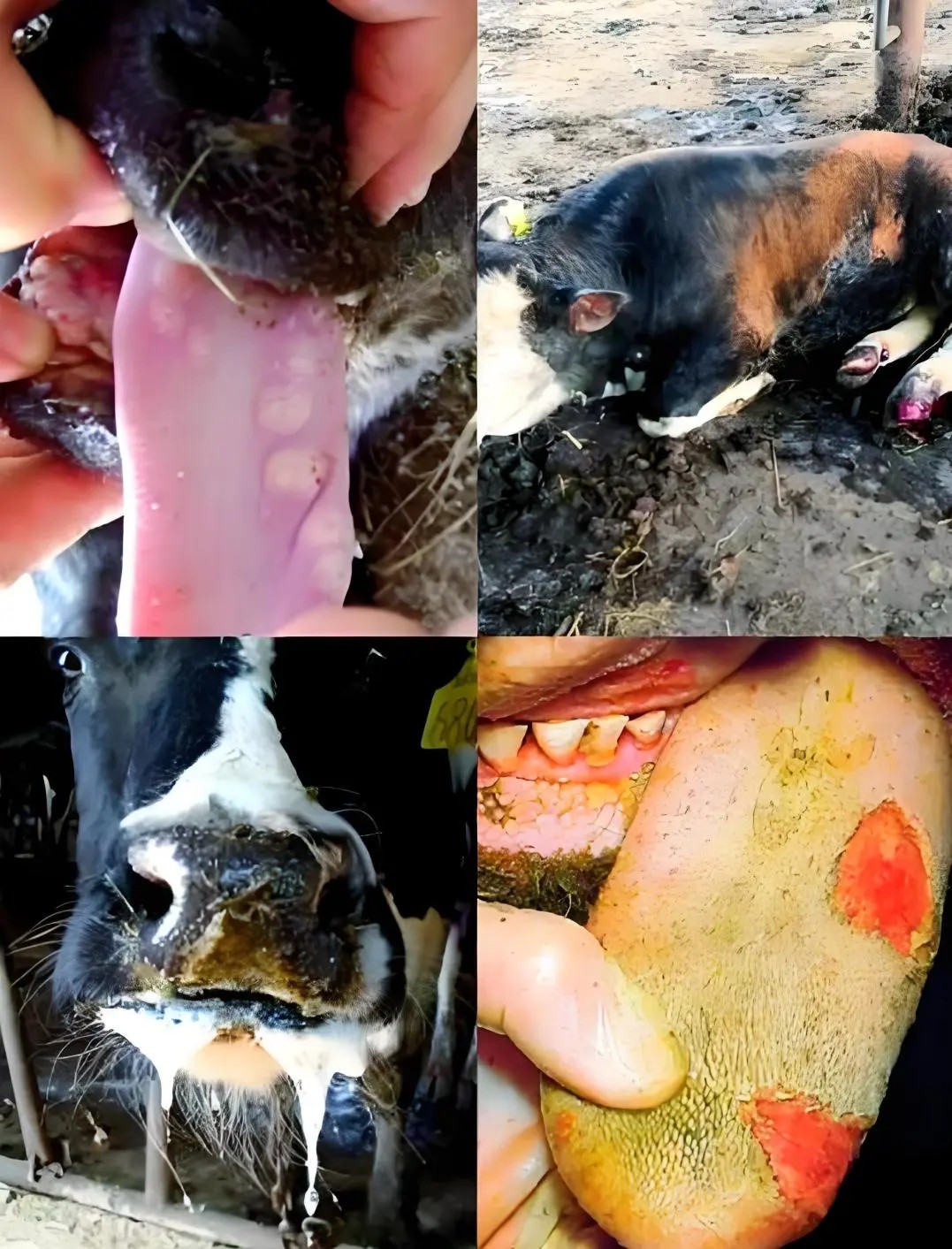
In terms of direct harm, the morbidity rate of Foot-and-Mouth Disease (FMD) in African cattle and sheep can reach 90%–100%. Although the mortality rate for adult cattle and sheep is relatively low—ranging from 1% to 3%—suckling calves and lambs present less distinct vesicular symptoms upon infection; instead, they typically manifest hemorrhagic enteritis and are prone to rapid death due to myocardial paralysis, with mortality rates potentially exceeding 50%. Infected cattle and sheep develop lesions in the mouth and hooves, rendering them unable to feed or walk normally, leading to stunted growth and weight loss; consequently, the time required to bring fattening cattle and sheep to market is significantly prolonged. Lactating cows experience a drastic drop in milk yield—sometimes even developing mastitis—and may suffer a complete loss of milk-producing capacity. Breeding females face reproductive disorders such as abortion, premature birth, and the delivery of weak offspring; meanwhile, rams and breeding bulls suffer from diminished semen quality and a loss of mating ability, resulting in severe damage to overall livestock production capacity.
In terms of indirect hazards, Foot-and-Mouth Disease (FMD) in African cattle and small ruminants is a zoonotic disease. Although human susceptibility to FMD is relatively low, infection can manifest as symptoms such as red papules and blisters on the hands, feet, face, and oral cavity, accompanied by systemic discomforts such as fever and headaches, thereby compromising the health of livestock industry personnel. Furthermore, in the wake of an outbreak, affected farms must undergo complete quarantine and cull infected animals, resulting in massive direct economic losses. Additionally, due to the endemic status of FMD in most African nations, exports of livestock and poultry products face stringent restrictions, further hindering the development of the livestock industry. Globally, the annual economic losses attributable to FMD amount to billions of dollars, with the African region accounting for a significant proportion of this total.
Of even greater concern is the widespread prevalence of nomadic livestock-rearing practices across Africa, characterized by the frequent cross-regional movement of cattle and sheep. Furthermore, weak biosecurity measures and a scarcity of veterinary services in certain areas—coupled with the role of wild animals (such as wild buffalo and reindeer) as viral reservoir hosts—have further exacerbated the spread of the virus. Consequently, Foot-and-Mouth Disease (FMD) in African cattle and sheep recurs repeatedly and proves difficult to eradicate completely, thereby emerging as a critical bottleneck hindering the sustainable development of the region's livestock industry.
II. Clinical Symptoms of Foot-and-Mouth Disease in African Cattle and Sheep: Precise Identification to Seize the Golden Opportunity for Prevention and Control
The average incubation period for Foot-and-Mouth Disease (FMD) in African cattle and sheep is 2 to 4 days, though it can extend up to one week. Clinical symptoms are typically characteristic; however, the manifestations of infection differ slightly between cattle and sheep. The disease is primarily classified into acute and subacute forms, although some cases may present with atypical symptoms. Livestock farmers must exercise precise discernment to avoid misdiagnosis and inappropriate treatment.
The symptoms of infection in sheep are similar to those in cattle, though the clinical course is relatively milder and the incubation period slightly longer. In the acute form of the disease, the body temperature of affected sheep rises above 40°C; they appear lethargic with ruffled coats, and their appetite diminishes. Vesicles and erosions develop on the oral mucosa, accompanied by excessive salivation. Vesicles on the hooves are smaller—typically occurring at the coronary band and in the interdigital clefts—and form scabs after rupturing; consequently, symptoms of lameness are relatively mild. In lambs, the infection is more severe; they often present without distinct vesicular symptoms but rapidly develop hemorrhagic enteritis and myocardial paralysis, leading to collapse and death within a short period. Sheep with the subacute form exhibit only mild symptoms—manifesting as slight erosions of the oral mucosa and reduced feed intake—and may gradually recover, though they may remain carriers of the virus.
Certain imported high-quality cattle and sheep breeds (such as Holstein dairy cows)—due to their limited adaptability and pronounced susceptibility to stress—may present with atypical symptoms following infection. Specifically, vesicular and erosive lesions may be inconspicuous; instead, the animals primarily manifest high fever, mental depression, and complete anorexia. As these symptoms can easily be confused with those of other infectious diseases, diagnostic difficulty is increased, necessitating further confirmation through laboratory testing.
III. Scientific Prevention of Foot-and-Mouth Disease in African Cattle and Sheep: Adopting Multi-pronged Measures to Block Virus Transmission at the Source
The core strategy for the prevention and control of Foot-and-Mouth Disease (FMD) in African cattle and sheep centers on "prioritizing prevention, integrating husbandry with disease control, and maintaining strict oversight." Drawing upon the specific viral characteristics, transmission pathways, and current livestock farming conditions in Africa—and incorporating global best practices in disease control—AGOVEE has formulated a comprehensive set of standardized preventive measures. These measures empower livestock farmers to reduce the incidence of the disease at its source and establish a robust immune barrier.
1. Implement Strict Biosecurity Controls to Sever Transmission Pathways
Enforce a closed-loop management system at the farm, strictly prohibiting the entry of external personnel, vehicles, or livestock. External visitors must change into designated work attire and footwear, and may only enter after passing through a disinfection dip and undergoing spray disinfection. Vehicles must undergo thorough washing and disinfection, with particular attention paid to tires and undercarriages. On-site staff are forbidden from moving between different animal pens or having contact with cloven-hoofed animals from outside the facility; furthermore, the farm canteen is strictly prohibited from serving meat products derived from externally sourced cloven-hoofed animals. Conduct regular, comprehensive disinfection of cattle and sheep barns, cages, feed troughs, and watering equipment. Utilize highly effective disinfectants—such as potassium monopersulfate compounds or peracetic acid—for disinfection 2–3 times per week; in damp or shaded areas, quicklime may be spread to enhance disinfection efficacy. Promptly remove manure and bedding materials, subjecting them to centralized composting and fermentation or other harmless treatment methods to prevent the proliferation and spread of viruses. Strictly prohibit the introduction of breeding stock from epidemic-affected zones; when introducing new animals, enforce rigorous quarantine protocols involving an isolation and observation period of at least 30 days to confirm the absence of infection before integrating them into the general herd. Concurrently, strictly control the cross-regional movement of cattle and sheep to minimize the risk of viral transmission.
2. Scientific Immunization: Establishing an Immune Barrier
Immunization is the most effective means of preventing Foot-and-Mouth Disease (FMD) in cattle and small ruminants. It is essential to select vaccines that are highly targeted and demonstrate superior efficacy—specifically tailored to the serotypes prevalent in the African region (such as SAT1, SAT2, and SAT3)—and to administer them in strict accordance with established protocols. It is recommended to develop customized immunization schedules: adult cattle and small ruminants should receive a booster dose 1–2 times annually, while calves and lambs should undergo their primary vaccination at 2–4 weeks of age, followed by a booster dose one month later, to ensure stable antibody levels within the herd. Before and after vaccination, AGOVEE—a specialized immune enhancer for cattle and small ruminants—may be added to the feed to provide essential nutrients for immune function, modulate the body's immune system, enhance the efficacy of the vaccine response, boost antibody levels, and minimize the risk of vaccination failure. This approach is particularly well-suited for immune-based disease prevention and control within the complex livestock farming environments characteristic of the African region.
3. Optimize Feeding and Management to Enhance Physiological Resistance
Provide high-quality, complete feed to ensure a balanced diet, supplementing it with essential nutrients such as vitamins, minerals, and amino acids; strictly avoid feeding feed that is damp or moldy. In the arid and semi-arid regions of Africa, it is crucial to ensure that cattle and sheep have access to an adequate supply of clean drinking water to minimize stress responses. Maintain appropriate stocking densities to prevent overcrowding, ensuring that the animals have sufficient space for exercise; this promotes growth and development while bolstering their physiological resistance. Ensure proper thermal insulation and ventilation in livestock housing to prevent stress triggered by extreme environmental conditions—such as excessive heat, severe cold, or high humidity. Particular emphasis should be placed on strengthening environmental controls during seasons with a high incidence of disease outbreaks, such as late autumn and winter, in order to mitigate the risk of infection.
IV. Treatment Methods for Foot-and-Mouth Disease in African Cattle and Sheep: AGOVEE Exclusive Products—Highly Effective for Disease Control and Loss Prevention
Core Advantages of AGOVEE Products for the Prevention and Control of Foot-and-Mouth Disease in African Cattle and Sheep
1. Broad-spectrum Antiviral Action: Employing a targeted, compound formulation, this product effectively inhibits the replication and dissemination of various Foot-and-Mouth Disease (FMD) virus serotypes—including SAT1, SAT2, and SAT3—prevalent in the African region. It blocks viral damage to the oral cavity, hooves, and intestines, thereby controlling disease progression at the source. It is suitable for the treatment and emergency prophylaxis of acute and subacute forms of FMD in African cattle and small ruminants.
2. Rapid Symptom Relief: The product possesses strong penetrative properties and is rapidly absorbed by the body following oral administration or injection. Within 24 hours, it alleviates core symptoms such as high fever, excessive salivation, and lameness; promotes the healing of erosions in the mouth and hooves; reduces the risk of hoof shedding; aids cattle and sheep in regaining their ability to feed and walk; and shortens the overall treatment duration.
3. Prevention of Secondary Infections + Bodily Restoration: This formulation simultaneously addresses antibacterial and anti-inflammatory needs while offering heat-clearing, detoxifying, and organ-protective benefits (specifically for the liver and kidneys). It effectively prevents secondary bacterial infections—such as those caused by *E. coli* and *Staphylococcus*—thereby reducing the mortality risk associated with mixed infections. Furthermore, the product incorporates mucosal repair factors to heal damaged oral and hoof mucosa; by replenishing essential nutrients, it aids sick cattle and sheep in rapidly regaining their physical strength and helps minimize the likelihood of them remaining carriers or shedding the pathogen following recovery.
4. Adapted to African Rearing Environments: The product features excellent shelf stability and ease of use; it can be administered via feed or drinking water, making it suitable for a wide range of rearing models—from large-scale commercial farms to nomadic livestock systems—and requires no complex equipment, thereby ensuring convenience for livestock farmers. Furthermore, the product demonstrates exceptional stability, maintaining its therapeutic efficacy even under extreme conditions such as high temperatures and drought, making it ideally suited to the climatic characteristics of the African region.
V. AGOVEE: Focusing on Cattle and Sheep Health to Boost Quality and Efficiency in African Livestock Farming
As a major disease threatening cattle and sheep farming, the prevention and control of African Foot-and-Mouth Disease (FMD) directly impacts livestock production efficiency and industry development. This is particularly true for livestock professionals in Africa, where effective disease control is the key to ensuring stable production and increased income. Upholding the philosophy of "safeguarding livestock health and empowering efficient farming," AGOVEE has dedicated itself to the field of cattle and sheep disease prevention. Leveraging its professional R&D capabilities and taking into account the specific epidemiological characteristics of African FMD, the company has continuously refined and upgraded its product formulations. The specialized veterinary medicines and immune enhancers subsequently launched by AGOVEE—distinguished by their high efficacy, safety, and ease of use—have earned the recognition of livestock farmers worldwide.
Please give us a message